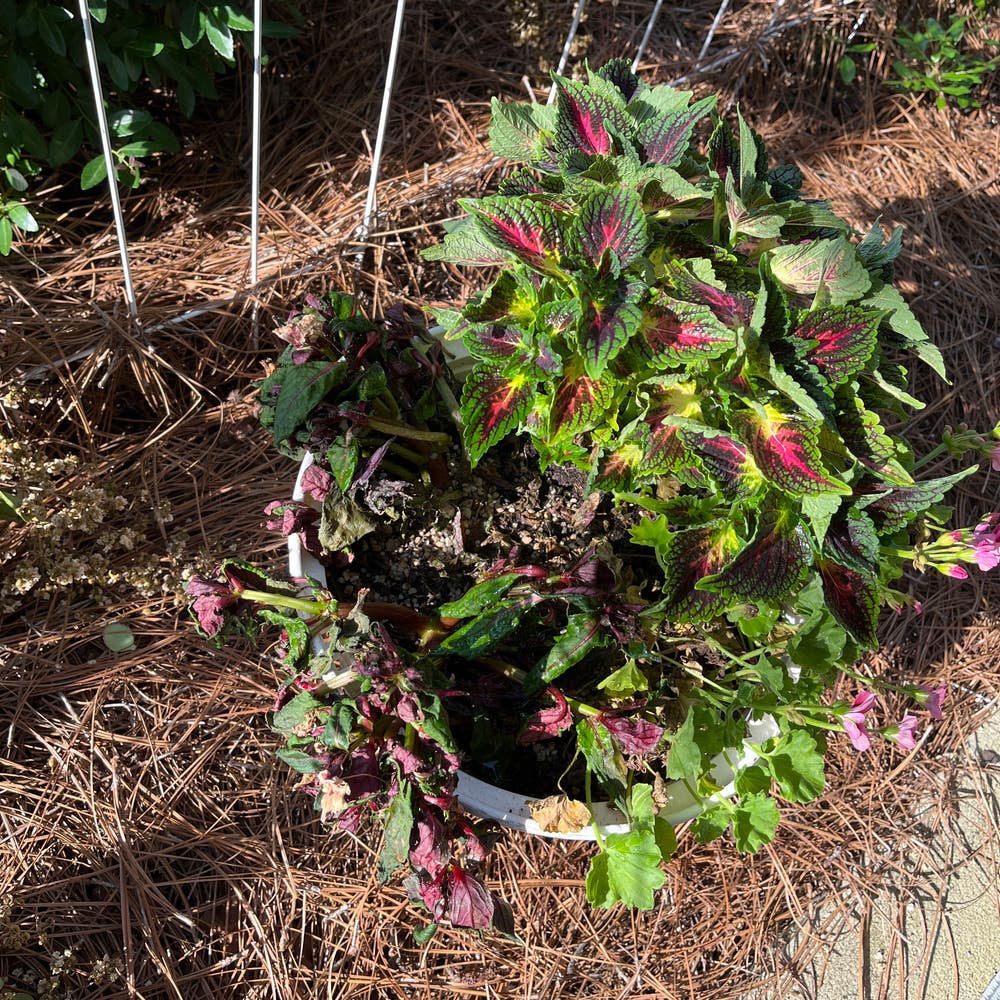
Should I Repot My Himalayan Balsam And If So, How?
Impatiens glandulifera
By the Greg Editorial Team
Mar 26, 2024•5 min read
This article was created with the help of AI so we can cover more plants for you. May contain errors. See one? Report it here.
Discover when and how to repot your Himalayan Balsam for unstoppable growth 🌿—it's simpler than you think!
- Spring repotting promotes growth, look for bursting roots or stunted plant.
- 🌱 Choose a pot 1-2 inches wider for room to grow, material matters.
- Aftercare is crucial: water, indirect light, and monitor for stress.
When to Give Your Himalayan Balsam a New Home
🌱 Spotting the Telltale Signs
Roots bursting from the pot's confines? Your Himalayan Balsam is crying out for a new abode. Stunted growth is a silent yet desperate plea for space. If your plant's roots have turned into a tangled mess at the bottom of the pot, it's time to act. Roots peeking through drainage holes aren't just being nosy—they need more room!
🕰 Timing is Everything
Spring is the Himalayan Balsam's best friend when it comes to repotting. It's not just about avoiding frost's icy grip; it's about seizing the season of growth. As the frost bids adieu, your plant's roots are itching to stretch. This period of mild temperatures and natural growth cycles is the perfect setting for your plant to recover and thrive post-repotting.
Choosing a New Pot for Your Himalayan Balsam
🌱 Size Matters
Selecting the right pot size is crucial for your Himalayan Balsam's well-being. Aim for a pot that's 1-2 inches wider than the current one. This provides ample room for growth without overwhelming the roots with excess soil, which can lead to moisture problems and root rot.
🏺 Material World
Terra Cotta
Terra cotta pots are like the jeans of the plant world—classic, breathable, and make you water more often. They're great for wicking away excess moisture, reducing the risk of root rot. However, they can break easily and may need more frequent watering due to their porous nature.
Plastic
Plastic pots are the raincoats for plants. They retain moisture longer and are light as a feather, making them easy to move around. But beware, they can hold too much water and might not give your Himalayan Balsam's roots enough air to breathe.
Ceramic
Ceramic pots are the tuxedos—elegant but heavy. They retain moisture better than terra cotta and can be a visual treat. Just ensure they have drainage holes; otherwise, you're setting up a swimming pool for your plant's roots. They're also pricier and can be a workout to move.
Remember, the pot you choose is more than a home for your plant; it's a lifeline.
The Repotting Rundown
🌱 Prepping the Stage
Before your Himalayan Balsam hits the big leagues with a new pot, mix your soil like a DJ blends beats. Aim for a well-draining concoction, rich in organic matter. Think coco coir with a sprinkle of perlite or vermiculite. This isn't just dirt; it's the VIP lounge for your plant's roots.
🎉 The Main Event
💧 Step 1: Hydration Station
Start with a thorough watering of your plant. It's less of a drink, more of a prep talk for the roots.
🍶 Step 2: Pot Prep
Grab a clean pot, one that's a couple inches larger in diameter than the old one. A soap and water rinse beforehand keeps the backstage clear of diseases.
🌿 Step 3: The Uproot
Gently coax your plant out of its current pot. If it's clinging on for dear life, a tap on the pot's sides can break the stage fright.
🕵️ Step 4: Root Inspection
Now, it's time for a root reality check. If they're circling like they're in a mosh pit, it's time to give them more room.
🎭 Step 5: Center Stage
Place your plant in the new pot's spotlight, ensuring it's not sinking or climbing a mountain. It should sit at the same depth as before.
🌱 Step 6: Fill 'er Up
Surround the roots with your premium potting mix, but don't pack it down like a mosh pit. Roots need air, not a crush.
💦 Step 7: Water Encore
Water thoroughly post-repotting. This isn't a water balloon fight, but you want to ensure the soil and roots are getting along nicely.
🏡 Settling In
After the show, keep the soil moist but not waterlogged. It's like a moist handshake, not a soggy one. Place your Himalayan Balsam in a spot where it can bask in the afterglow of its repotting gig.
Immediate Aftercare for a Happy Plant
🌱 The First Few Days
After the repotting shuffle, your Himalayan Balsam will need a bit of coddling. Water it just enough to keep the soil moist, but avoid creating a miniature swamp. Think of it as the plant equivalent of a soothing tea after a rough day.
Place your Himalayan Balsam in a spot that offers bright, indirect light. It's like sunglasses for your plant; full sun is too harsh for its post-repotting sensibilities. Keep it away from the harsh midday glare as if it were a vampire avoiding a sunburn.
🧐 Monitoring and Adjusting
Now, you're on plant watch. Keep an eye out for drama like yellowing leaves or a wilted spirit. These could be your Himalayan Balsam's way of saying, "I'm not okay." If you spot these signs, reassess your care routine. It might be craving less sun or a tweak in watering frequency.
Temperature is also a diva for Himalayan Balsam. Ensure the environment stays within a cozy 65~75℉ (18~25℃) range. If it's too hot, your plant might hold back its flowers like a moody artist refusing to perform.
Remember, your plant won't perk up overnight. It's a marathon, not a sprint, so give it a few weeks to strut its stuff in the new pot. With the right care, your Himalayan Balsam will be back to flaunting its foliage in no time.
⚠️ Safety First
This content is for general information and may contain errors, omissions, or outdated details. It is not medical, veterinary advice, or an endorsement of therapeutic claims.
Always consult a qualified healthcare professional before using any plant as food, medicine, or supplement.
Never eat any plant (or feed one to pets) without confirming its identity with at least two trusted sources.
If you suspect poisoning, call Poison Control (800) 222-1222, the Pet Poison Helpline (800) 213-6680, or your local emergency service immediately.
Spotted an error? Please report it here.
Ensure your Himalayan Balsam thrives after repotting by following these steps and using Greg's 🌱 tailored reminders for post-repot care and optimal growth conditions.