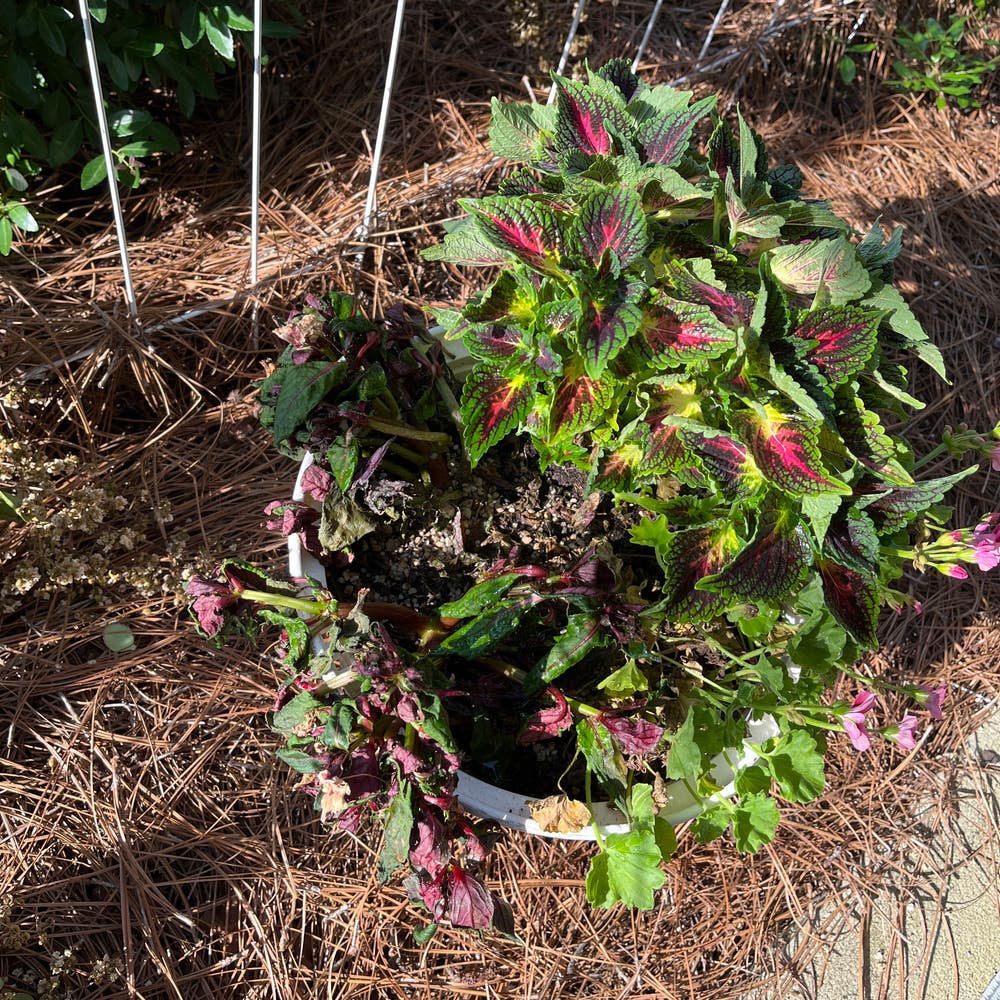
Why Are My Himalayan Balsam Leaves Curling?
Impatiens glandulifera
By the Greg Editorial Team
Mar 26, 2024•4 min read
This article was created with the help of AI so we can cover more plants for you. May contain errors. See one? Report it here.
Unravel the mystery of curling Himalayan Balsam leaves for a thriving, envy-worthy garden! 🌿🔍
- 💦 Over/underwatering and extreme temperatures cause Himalayan Balsam leaf curl.
- 🌱 Adjust watering, shelter from elements to prevent curling.
- 🕵️ Regular monitoring and consistent care keep plants healthy.
Pinpointing the Culprits Behind Leaf Curling
💧 Water Woes
Improper watering is a prime suspect in the case of curling Himalayan Balsam leaves. Overwatering can cause leaves to curl down, a sign of the plant's inability to breathe properly. Underwatering, on the other hand, prompts leaves to curl up, desperately reaching for moisture. Keep an eye out for yellowing leaves and a wilted appearance, which can indicate too much water. Conversely, dry and brittle leaves are a distress signal for more hydration.
🌡️ Climate Conundrums
Temperature and sunlight play a significant role in your plant's well-being. Extreme heat can cause leaves to curl up as a shield against dehydration, while cold drafts might lead to a downward curl. Wind damage can also distort leaves, so consider positioning your plant in a more sheltered location. Monitor for signs like leaf scorching or a pale, washed-out appearance, which suggest your Himalayan Balsam is getting too much sun or is exposed to harsh conditions.
🐜 Unwanted Guests
Pests and diseases are uninvited guests that can wreak havoc on your Himalayan Balsam. Aphids, spider mites, and mealybugs are common culprits, often leaving behind evidence such as bite marks or webbing. Diseases, including fungal infections like powdery mildew, can cloak leaves in a white film and cause them to curl. Discoloration and unusual patterns on the leaves can be telltale signs of these biotic stressors. Keep a vigilant eye out for these symptoms to differentiate between pest attacks and other environmental stressors.
Turning Over a New Leaf: Solutions and Prevention
💧 Fine-Tuning Your Watering Technique
Watering isn't just about quantity; it's about timing and technique. To prevent those Himalayan Balsam leaves from curling, adjust your watering schedule to the plant's life cycle and seasonal changes. During growth periods, ensure the soil's top inch is dry before watering. In winter, ease up.
Watering at the soil line is crucial, as wet leaves invite fungal invaders. Early morning is prime time for watering, giving leaves the day to dry out. If you're unsure about soil moisture, a moisture meter can be your secret weapon, eliminating the guesswork.
🌱 Crafting the Ideal Microclimate
Creating a microclimate can shield your Himalayan Balsam from environmental stress. If your plant is outdoors, strategically place it to avoid harsh sun and wind. Indoors, consider humidity levels. Not a sauna, not a desert—aim for that sweet spot. A pebble tray or humidifier might just become your best friend.
Temperature and light are part of this balancing act. Rotate the plant regularly for even exposure, and use thermometers and hygrometers to monitor conditions. Adjustments may be as simple as moving your plant a few feet away from a window or placing it behind a sheer curtain.
🐜 Keeping Pests and Diseases at Bay
Pests and diseases are the party crashers of the plant world. To keep them out, encourage beneficial insects and use biological controls. If they still get in, act fast with the appropriate treatment. Remember, dry leaves and good air circulation are your first line of defense against fungal foes.
Sanitation is key. Clean your tools, clear away debris, and consider environmental controls like crop rotation for outdoor plants. If you have to resort to chemicals, think sniper, not shotgun—targeted applications are better than blanket sprays. And always, prevention beats cure. Keep a vigilant eye out for early signs of trouble.
The Proactive Gardener's Playbook
👩🌾 Consistency is Key
Establishing a routine care schedule is crucial for the health of your Himalayan Balsam. Like setting an alarm, regularity in watering, feeding, and pruning will keep your plant thriving. Adjust your care with the changing seasons, as your plant's needs will vary.
🛡️ Vigilance and Early Detection
Regular monitoring is your plant's lifeline. Inspect your Himalayan Balsam often, looking for signs of pests, disease, or stress. Catching issues early can mean the difference between a quick fix and a full-blown plant crisis. Be the hawk that spots the slightest changes; it's all about being proactive, not reactive.
⚠️ Safety First
This content is for general information and may contain errors, omissions, or outdated details. It is not medical, veterinary advice, or an endorsement of therapeutic claims.
Always consult a qualified healthcare professional before using any plant as food, medicine, or supplement.
Never eat any plant (or feed one to pets) without confirming its identity with at least two trusted sources.
If you suspect poisoning, call Poison Control (800) 222-1222, the Pet Poison Helpline (800) 213-6680, or your local emergency service immediately.
Spotted an error? Please report it here.
Nurture your Himalayan Balsam to flourishing health 🌿 with Greg's support in creating a consistent care routine, including tailored watering schedules and early pest detection.