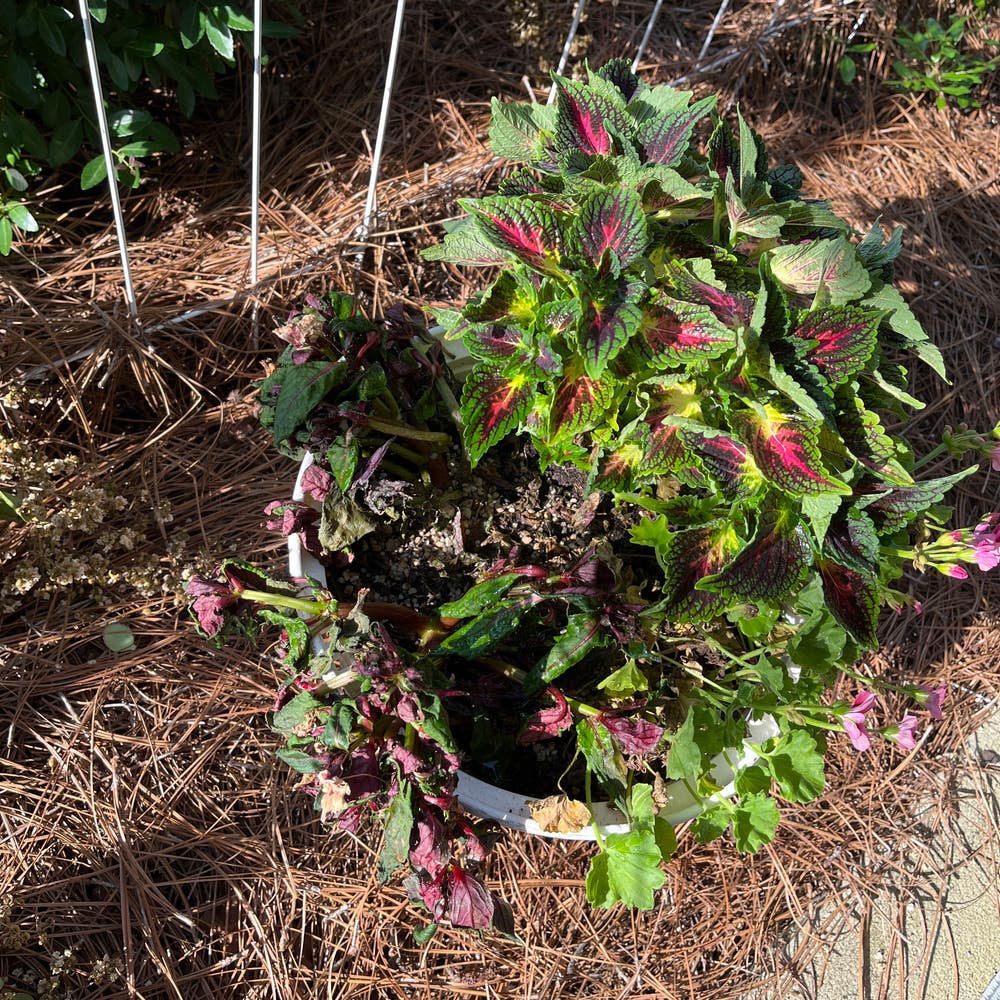
How to Fertilize Your Himalayan Balsam
Impatiens glandulifera
By the Greg Editorial Team
Mar 26, 2024•4 min read
This article was created with the help of AI so we can cover more plants for you. May contain errors. See one? Report it here.
Nurture a burst of Himalayan Balsam blooms 🌸 with the perfect fertilizer guide for lush, vibrant growth.
- N-P-K ratio is key for Himalayan Balsam's vibrant growth and blooms.
- Choose fertilizers wisely: Organic for safety, synthetic for quick results.
- Monitor and adjust fertilization with growth stages and seasons.
Picking the Right Food for Your Himalayan Balsam
💡 Understanding N-P-K Ratios
Himalayan Balsam thrives when fed with the right balance of nutrients. The N-P-K ratio, representing nitrogen (N), phosphorus (P), and potassium (K), is crucial for its vibrant growth and blooms. Nitrogen fuels leafy expansion, while phosphorus is pivotal for those eye-catching flowers. Potassium keeps the plant's overall functions in check.
🍽️ Organic vs. Synthetic Fertilizers
When choosing between organic and synthetic fertilizers, consider the Himalayan Balsam's needs. Organic options release nutrients slowly, mimicking nature's pace, and are less likely to cause root burn. Synthetics offer a quick fix of nutrients but can be harsh if overused. Both have their place, but it's all about the application.
🌱 Recommended Fertilizer Products
For Himalayan Balsam, a balanced fertilizer like a 10-10-10 mix can be ideal. Products such as Osmocote Smart-Release Plant Food Flower & Vegetable, Miracle-Gro Water Soluble All Purpose Plant Food, or Dr. Earth Organic 5 Tomato, Vegetable & Herb Fertilizer are well-suited for this plant. Always follow the label instructions to avoid overfeeding.
Timing is Everything: When to Fertilize
🌱 Growth Stages and Fertilizer Timing
Growth stages of Himalayan Balsam dictate fertilization timing. Begin as new growth appears in spring, providing the necessary nutrients for vigorous development. Continue through summer, matching the plant's peak activity.
🌷 Seasonal Fertilization Tips
Adjust fertilization with the seasons. Spring is a call to action, with a focus on establishing strong growth. In summer, maintain a steady supply to support flowering. As fall approaches, taper off; your plant is preparing for rest. Winter is a quiet time, with minimal to no fertilization needed. Keep an eye on your plant and adjust as necessary, ensuring it doesn't go hungry—or get overfed.
The Art of Fertilizer Application
💧 How Much is Just Right?
Determining the correct dosage for your Himalayan Balsam is more precision than guesswork. A teaspoon of balanced, water-soluble fertilizer per gallon of water monthly during the growing season is the golden rule for small pots. Scale up carefully for larger plants, keeping in mind that Himalayan Balsam is a slow grower that favors a gentle approach.
🎨 Application Techniques
Applying fertilizer is akin to painting; every stroke counts. Uniform distribution is key—ensure every part of the soil is equally treated. Water-soluble fertilizers should be mixed thoroughly and applied evenly, avoiding direct contact with the plant's stem. Post-application, water generously to help nutrients penetrate and prevent root burn. Remember, fertilizing is an observant practice—monitor your plant's response and adjust accordingly.
Keeping an Eye Out for Over-Indulgence
🚫 Spotting the Signs of Over-Fertilization
Himalayan Balsam, with its vibrant blooms, is as expressive as it is colorful when it comes to signaling distress. Leaf discoloration, such as yellowing or browning, can be a clear shout-out from your plant that it's had more than its fill of nutrients. Stunted growth or wilting, despite proper watering, is another red flag. If the soil has a white crust, it's not a new fashion trend; it's salt buildup from too much fertilizer.
🛠️ Quick Fixes for Fertilizer Faux Pas
Caught in the act of over-fertilizing? First, stop—no more food for now. Begin the plant's rehab by flushing the soil with water. This helps to leach out the excess nutrients. Think of it as a detox for your Himalayan Balsam. If the leaves look like they've been through a rough night, trim the damaged ones. It's not just a cosmetic fix; it's about helping the plant focus its energy on the healthy foliage. Remember, your plant's diet should be more spa retreat, less all-you-can-eat buffet. Give it a few weeks to recover before you even whisper the word 'fertilizer' near it again.
⚠️ Safety First
This content is for general information and may contain errors, omissions, or outdated details. It is not medical, veterinary advice, or an endorsement of therapeutic claims.
Always consult a qualified healthcare professional before using any plant as food, medicine, or supplement.
Never eat any plant (or feed one to pets) without confirming its identity with at least two trusted sources.
If you suspect poisoning, call Poison Control (800) 222-1222, the Pet Poison Helpline (800) 213-6680, or your local emergency service immediately.
Spotted an error? Please report it here.
Nurture your Himalayan Balsam to flourish 🌺 with Greg's timely reminders to track the perfect N-P-K ratio and avoid over-fertilization for healthy, vibrant growth.