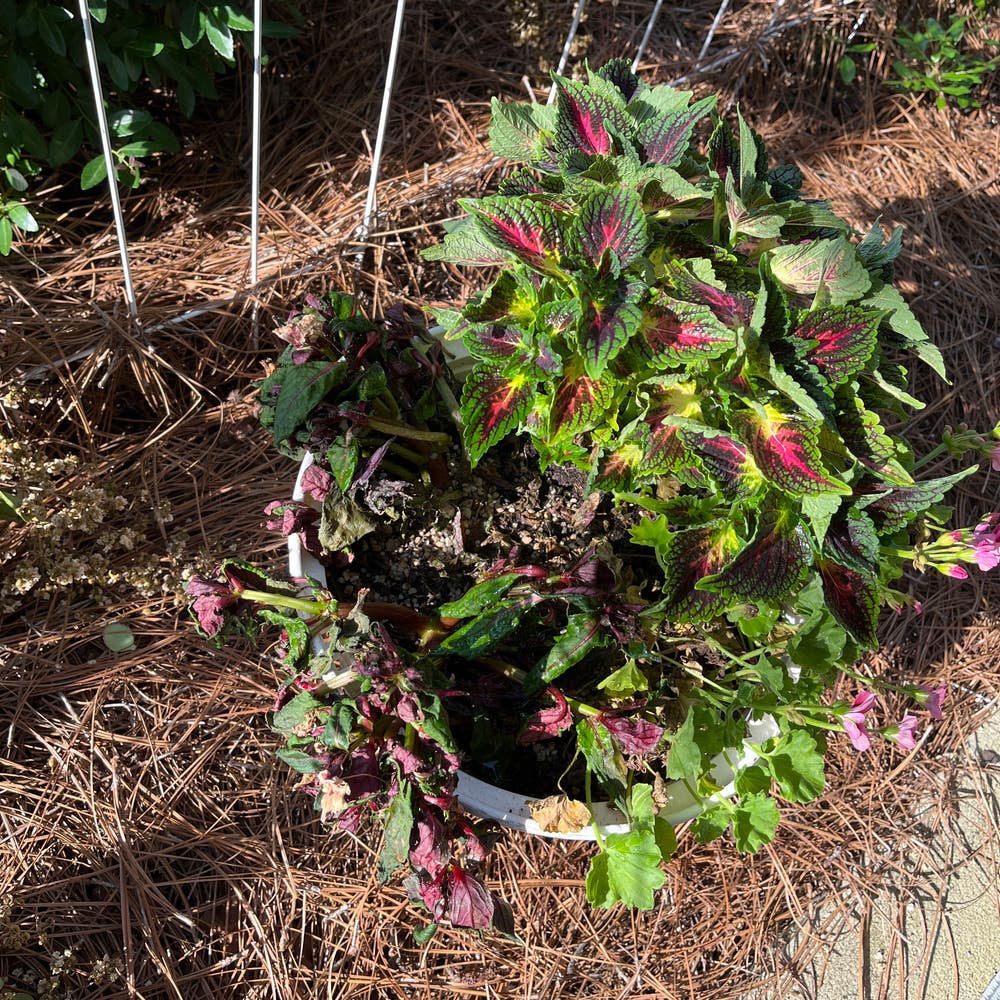
Why Are There Black Spots on My Himalayan Balsam Leaves?
Impatiens glandulifera
By the Greg Editorial Team
Mar 26, 2024•4 min read
This article was created with the help of AI so we can cover more plants for you. May contain errors. See one? Report it here.
Eradicate mysterious black spots 🕵️♂️ on your Himalayan Balsam and restore plant health with proven strategies! 🌿
- Fungi and bacteria cause black spots; moisture and poor airflow are culprits.
- Differentiate black spots from other leaf issues by their distinct characteristics.
- Prevent and treat with dry leaves, good airflow, organic treatments, and leaf removal.
Spotting the Culprit: Recognizing Black Spots on Your Plant
🕵️ Characteristics of Black Spots
Black spots on Himalayan Balsam are not a design feature. They appear as dark lesions, sometimes encircled by a yellowish halo. These spots may start as tiny specks but can expand into larger blotches, primarily on the leaf's upper side.
🕵️ Differentiating Black Spots from Other Issues
Sunscald or nutrient deficiencies might look similar but lack the fungal fruiting bodies that characterize true black spots. Bacterial leaf spot, another imposter, typically appears as water-soaked lesions with a distinct coloration. Pests leave behind evidence of their presence, like tiny moving dots or webbing—signs you won't find with fungal black spots.
🕵️ Inspection Tips
Regular leaf check-ups are crucial. Note the number, size, and pattern of the spots. True black spots are irregular and don't follow a pattern like natural variegation. They often come with yellowing of the surrounding leaf tissue. Flip the leaves over; some culprits prefer the underside.
🕵️ When to Seek Expert Advice
If your plant's health is declining despite your care, it's time to consult a plant pathologist or your local nursery expert. They're the plant world's detectives, ready to crack the case of your plant's distress.
Unveiling the Villains: What's Causing the Black Spots?
🍄 Fungal Foes
Fungi are the invisible invaders that can wreak havoc on your Himalayan Balsam. Cercospora and Anthracnose are the usual suspects, notorious for leaving those telltale black spots. These fungi thrive in moist environments, flourishing when the leaves are wet and the air is still. To keep these fungal felons at bay, you'll need to ensure your plant isn't living in a moisture-rich hideout.
🦠 Bacterial Bullies
Bacterial infections are the sneaky saboteurs of plant health, often going unnoticed until significant damage has occurred. They can cause black spots that look like the aftermath of a slimy encounter. These bacterial bad guys love to infiltrate through tiny wounds or take advantage of overly damp conditions. Water-soaked lesions or spots with a yellow halo are the red flags of bacterial blight. To prevent these bacterial bullies from gaining the upper hand, focus on environmental factors like reducing leaf wetness and improving airflow.
Fortifying Your Plant: Prevention Tactics
💧 Keeping Leaves Dry
Watering technique is your plant's armor against black spots. Aim for the soil, not the leaves, to keep them as dry as a humorist's wit. Early morning watering allows the sun to dry the leaves, reducing the chances of fungal soirées.
🌬️ Promoting Good Airflow
Air circulation is like an invisible bouncer, keeping fungal and bacterial party-crashers at bay. Space your Himalayan Balsam to allow it to breathe easy and avoid the congestion of still air. Indoors, a fan can keep the air moving; outdoors, strategic plant placement is key. Prune regularly to promote airflow, like a gardener's version of crowd control.
Battling the Blight: Effective Treatment Strategies
🌿 Going Organic
Neem oil stands out as a natural fungicide, offering a potent yet plant-friendly solution to your black spot woes. For those who prefer the DIY route, a concoction of baking soda, water, and a smidgen of soap can change the pH balance on leaf surfaces, deterring fungal freeloaders.
Mined sulfur and insecticidal soap round out the organic arsenal, serving as eco-conscious choices to protect your Himalayan Balsam. Remember, these are preventive measures as much as they are treatments, creating an environment less hospitable to the pathogens at play.
🏥 Surgical Strikes
When black spots invade, it's time for a sterilized snip. Begin by isolating the afflicted plant to prevent an outbreak. With sanitized shears, excise the infected leaves with precision, as if performing a delicate operation on your green patient.
After each cut, cleanse your tools with a 10 percent bleach solution—one part bleach to nine parts water—to avoid spreading the infection. Dispose of the diseased foliage securely; think of it as quarantining the troublemakers away from your garden's healthy population.
Remember, timing is crucial. Tackle this task during the cooler parts of the day when the plant is less stressed, and the pathogens are less active. Consistency is key, so keep a vigilant eye and act swiftly at the first sign of recurrence.
⚠️ Safety First
This content is for general information and may contain errors, omissions, or outdated details. It is not medical, veterinary advice, or an endorsement of therapeutic claims.
Always consult a qualified healthcare professional before using any plant as food, medicine, or supplement.
Never eat any plant (or feed one to pets) without confirming its identity with at least two trusted sources.
If you suspect poisoning, call Poison Control (800) 222-1222, the Pet Poison Helpline (800) 213-6680, or your local emergency service immediately.
Spotted an error? Please report it here.
Eradicate those pesky black spots 🍂 on your Himalayan Balsam by using Greg to pinpoint the cause and tailor a treatment plan.