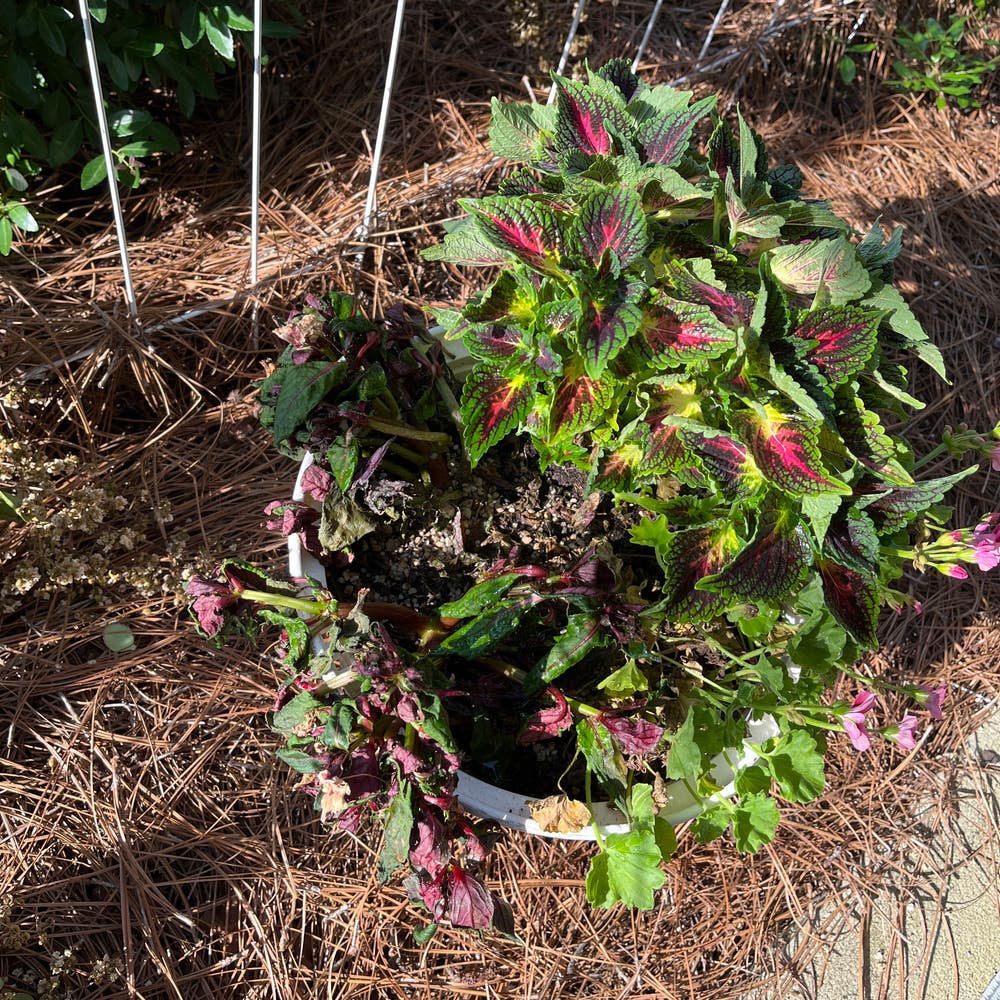
Why Are There Brown Spots on My Himalayan Balsam Leaves?
Impatiens glandulifera
By the Greg Editorial Team
Mar 26, 2024•4 min read
This article was created with the help of AI so we can cover more plants for you. May contain errors. See one? Report it here.
Banish brown spots on your Himalayan Balsam 🌿 and ensure its lush, vibrant health with expert tips!
- Fungal and bacterial infections often cause brown spots on Himalayan Balsam.
- Environmental balance is key: avoid overwatering and ensure good air circulation.
- Act fast: Isolate, prune affected foliage, and adjust watering and humidity.
Spotting the Trouble: Identifying Brown Spots on Your Plant
🦠 Telltale Signs of Fungal and Bacterial Infections
Fungal infections are the cloak-and-dagger agents in the plant world, often leaving a distinctive mark on your Himalayan Balsam. Alternaria and Septoria leaf spots are the usual suspects, presenting as brown spots with a yellowish halo. They're not just blemishes; they signal a deeper issue.
Bacterial infections are more like a sneak attack. Bacterial leaf spot can appear as water-soaked spots that eventually turn brown and may have a yellow border. These spots can feel almost greasy, a stark contrast to the dry texture of fungal spots.
🌿 Environmental Factors That Cause Brown Spots
Overwatering is a common misstep that can lead to brown spots. It's like giving your plant a drink when it's not thirsty—counterproductive. Poor drainage and high humidity are equally to blame, creating a petri dish for pathogens.
High humidity is like a welcome mat for fungal and bacterial issues. Ensure the air around your Himalayan Balsam isn't too damp. Conversely, a dry atmosphere can be a beacon for pests like spider mites, which also leave behind their own brand of brown spots.
To avoid the onset of these issues, it's essential to strike a balance in the environment. Too much love in the form of water can lead to soft, squishy spots, while too little can result in crispy, sunburned leaves. Regularly inspect your plant for these signs and adjust your care routine accordingly.
First Aid for Your Himalayan Balsam
🚑 Immediate Steps to Take
When brown spots mar the leaves of your Himalayan Balsam, swift action is essential. Here's what to do:
Isolate and Trim
First, isolate the plant to prevent any potential spread of disease. Next, with sterilized shears, remove the affected foliage. This isn't a haircut; it's a rescue mission. You're cutting away the compromised to save the healthy.
Adjust Water and Humidity
Overwatering and high humidity are often culprits behind those unsightly spots. Adjust your watering schedule—let the soil dry out before the next watering. If the air's too damp, consider a dehumidifier to keep moisture levels in check. Remember, Himalayan Balsam prefers a humidity balance.
Environmental Tweaks
Ensure your plant isn't in the path of harsh sunlight which can exacerbate the issue. It craves cooler temperatures, so find it a spot away from the midday blaze. And always, keep an eye out for frost, the silent leaf-killer.
Battling the Brown: Treatment Tactics
🍄 Combating Fungal Foes
When fungal infections like leaf spot or powdery mildew crash your Himalayan Balsam's party, it's time to play the hero with fungicides. Think of them as your plant's personal bodyguards. Copper-based products and biocontrol agents such as neem oil are your allies here. Apply them at the first sign of trouble, and be consistent—like a relentless guardian following a strict routine. For a greener approach, hydrogen peroxide sprays or cinnamon dusting can act as a surprisingly effective cavalry for minor issues.
🦠 Halting Harmful Bacteria
Bacteria are the ninjas of plant diseases—stealthy and potentially devastating. When they strike, reach for copper compounds and targeted bactericides. But don't go all gung-ho; use them with sniper-like precision to avoid breeding antibiotic-resistant superbugs. Remember, hygiene is as crucial as the remedy itself—sterilize your tools as if prepping for a sterile operation. If the situation calls for it, antibiotics like streptomycin are the special forces, but deploy them sparingly. Early detection and rapid response are your best defense strategies.
Keeping the Spots at Bay: Prevention Practices
🛡️ Cultivating a Hostile Environment for Diseases
Airflow is your plant's invisible shield. Crank up that circulation to make pathogens feel unwelcome. It's like turning on the exhaust fan after burning toast—clears the air right up. Spacing your Himalayan Balsam is key; give them room to breathe and you'll stifle disease before it starts.
Soil drainage is non-negotiable. Ensure your plant's feet aren't always wet; soggy soil is a fungal fiesta waiting to happen. If your pot's drainage is as effective as a sieve with no holes, it's time for an upgrade.
🕵️ Regular Maintenance and Monitoring
Inspect leaves like a hawk. Catching brown spots early is the difference between a quick fix and a full-blown plant ICU situation. Sanitation is your garden's secret weapon; keep it cleaner than a cat's dinner plate.
Disinfect tools regularly—think of it as handwashing for your pruners. And remove debris; it's not just untidy, it's a five-star hotel for diseases.
Watering—aim for the soil, not the leaves. Wet foliage is a party invitation for pathogens. And if you're not using a watering can with a long spout, you're basically asking for trouble.
Preemptive care is your best bet. It's like eating your veggies—do it well, and you'll save yourself a lot of trouble down the line. Keep those Himalayan Balsam happy, and they'll keep their spots to themselves.
⚠️ Safety First
This content is for general information and may contain errors, omissions, or outdated details. It is not medical, veterinary advice, or an endorsement of therapeutic claims.
Always consult a qualified healthcare professional before using any plant as food, medicine, or supplement.
Never eat any plant (or feed one to pets) without confirming its identity with at least two trusted sources.
If you suspect poisoning, call Poison Control (800) 222-1222, the Pet Poison Helpline (800) 213-6680, or your local emergency service immediately.
Spotted an error? Please report it here.
Prevent brown spots 🍂 on your Himalayan Balsam by letting Greg balance your watering and humidity, ensuring your plant thrives without the guesswork.