💧 How Much Humidity Does My Himalayan Balsam Need?
Impatiens glandulifera
By the Greg Editorial Team
Mar 26, 2024•3 min read
This article was created with the help of AI so we can cover more plants for you. May contain errors. See one? Report it here.
Ensure your Himalayan Balsam blossoms 🌼 by mastering its ideal humidity sweet spot! 🌡️
- 65-75% humidity is ideal for Himalayan Balsam's growth.
- 🍂 Crispy leaves mean more moisture needed; fungus signals too much.
- Use hygrometers and pebble trays to monitor and adjust humidity.
Dialing in the Perfect Humidity for Himalayan Balsam
🌿 What's the Magic Number?
In the quest for flourishing Himalayan Balsam, humidity is a key player. Aim for a humidity level of 65-75% to see your plant thrive. This range supports robust growth and full, vibrant flowers. It's a delicate dance, but get it right, and you'll witness the Himalayan Balsam's true splendor.
🚨 Signs of Humidity Distress
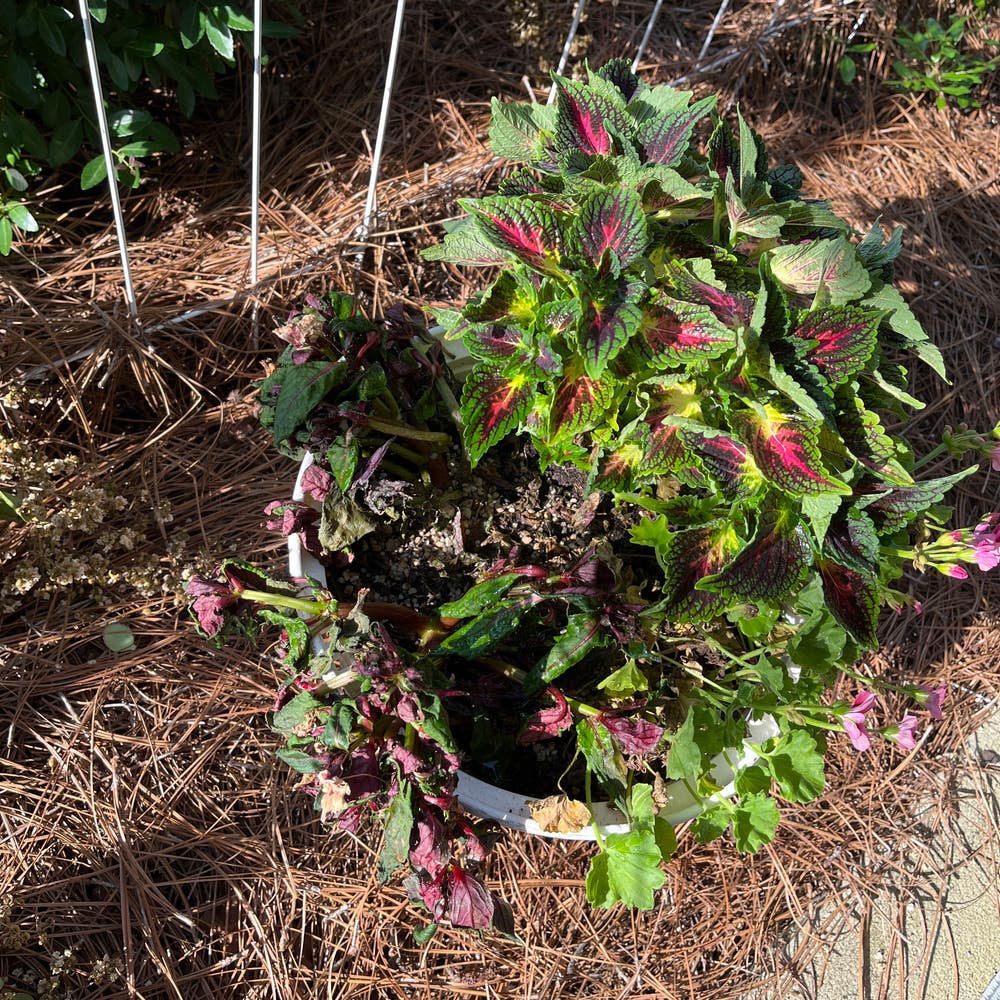
Crispy leaves are the plant's SOS for more moisture; they shouldn't be ignored. Conversely, a fungal fiesta indicates an overzealous approach to humidity. Keep an eye out for mold or leaves that are too soft—these are clear distress signals. Your Himalayan Balsam is counting on you to strike the perfect moisture balance.
Measuring Up the Moisture
💧 Tools of the Trade
In the quest for optimal humidity, a hygrometer is your Himalayan Balsam's best friend. This gadget provides real-time data, eliminating guesswork and allowing for precise adjustments. Remember, placement matters. Position the hygrometer near your plant but away from misleading elements like drafts and direct sunlight. Let it acclimate before trusting its verdict; a hygrometer needs a moment to accurately read the room.
🌡️ Local Humidity and Your Plant
Your local humidity isn't static; it's as variable as the weather. This fluctuation directly affects your Himalayan Balsam, and understanding it is key to your plant's health. Monitor the humidity at different times to get a comprehensive view of your indoor climate. If your plant starts to show signs of distress, it's a signal to reassess the moisture levels. Use local weather resources to anticipate changes and adapt your plant care routine accordingly. Keep in mind, different rooms can have their own microclimates, so choose your plant's location wisely to hit that humidity sweet spot.
Boosting Humidity for Happy Himalayan Balsam
💦 Creating a Mini Oasis
Himalayan Balsam thrives in moist environments. To mimic these conditions, a pebble tray is a straightforward solution. Fill a tray with pebbles, add water to just below the top of the stones, and place your plant pot on top. The water evaporates, wrapping your Himalayan Balsam in a blanket of humidity without the risk of waterlogged roots.
🌿 The Power of Company
Grouping plants together isn't just for visual appeal; it's a strategic humidity hack. Each plant releases moisture, which collectively raises the humidity level around them. Think of it as a communal microclimate; your Himalayan Balsam will be one of many contributing to and benefiting from this shared atmosphere.
When There's Too Much of a Good Thing
💨 Airflow to the Rescue
Improving air circulation is key to managing high humidity for your Himalayan Balsam. Think of it as the plant's personal cooling system. Fans or a simple crack of a window can make a world of difference, preventing moisture from overstaying its welcome. Position fans strategically; you want a gentle breeze, not a gale-force wind.
💦 The Dehumidifying Duo
When the air in your home feels like a tropical rainforest, it's time to bring out the dehumidifiers. These devices are the unsung heroes in the battle against excessive dampness, discreetly pulling moisture from the air. Use them when you sense the humidity is more than your Himalayan Balsam signed up for. Remember, it's all about balance—too dry is just as problematic as too wet.
⚠️ Safety First
This content is for general information and may contain errors, omissions, or outdated details. It is not medical, veterinary advice, or an endorsement of therapeutic claims.
Always consult a qualified healthcare professional before using any plant as food, medicine, or supplement.
Never eat any plant (or feed one to pets) without confirming its identity with at least two trusted sources.
If you suspect poisoning, call Poison Control (800) 222-1222, the Pet Poison Helpline (800) 213-6680, or your local emergency service immediately.
Spotted an error? Please report it here.
Ensure your Himalayan Balsam thrives in just-right humidity 💧 with Greg's personalized care reminders and environmental tracking for that lush, tropical vibe.