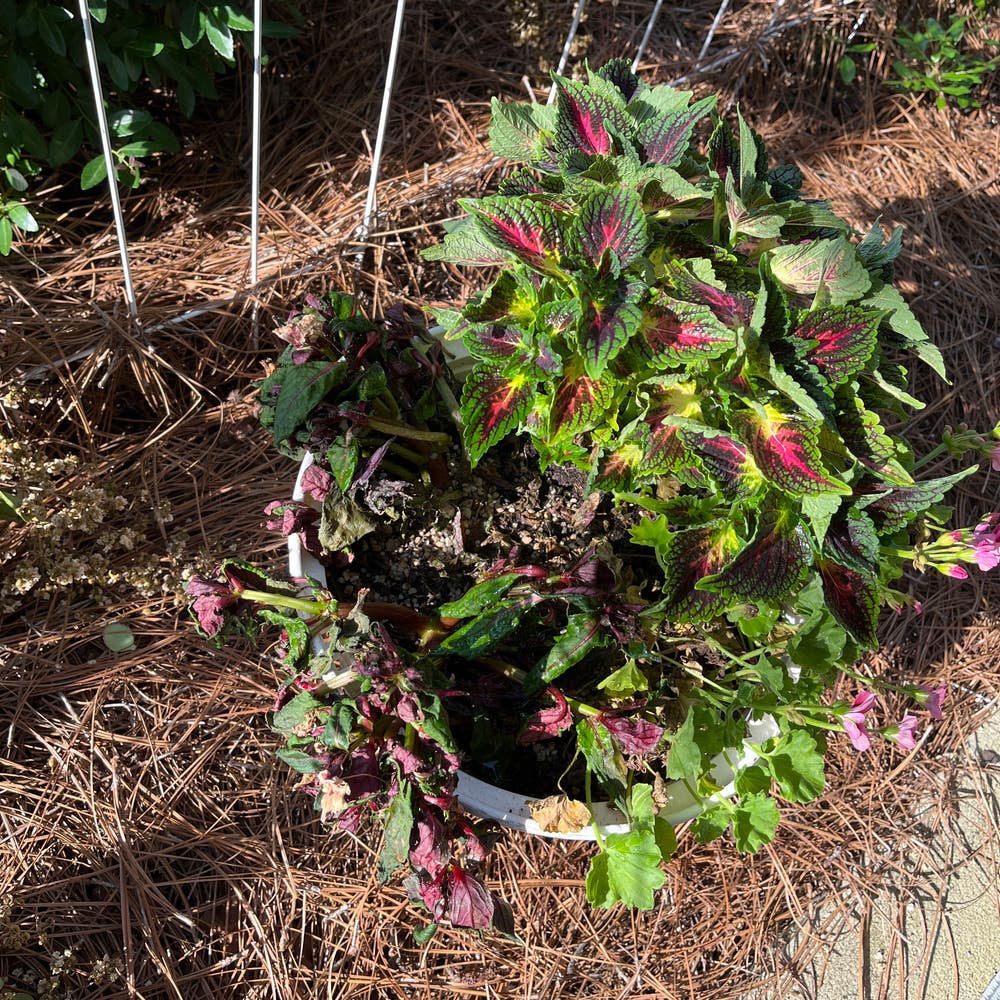
🍂 What Should I Do When Himalayan Balsam Leaves Turn Yellow?
Impatiens glandulifera
By the Greg Editorial Team
Mar 26, 2024•4 min read
This article was created with the help of AI so we can cover more plants for you. May contain errors. See one? Report it here.
Turn your Himalayan Balsam's frown 🍂 upside down with our expert yellow-leaf revival guide!
- 🌱 Water and light balance is key to prevent yellow leaves.
- 🐛 Pests and nutrients matter too; inspect and adjust as needed.
- ✂️ Prune or treat yellow leaves based on recovery potential.
Spotting the Culprits Behind Yellow Leaves
Yellowing leaves on Himalayan Balsam can be a real head-scratcher. Let's dive into the usual suspects: water, light, and nutrients, and not forget the bug brigade.
💧 Water Woes
Overwatering is like throwing a non-stop pool party for your plant's roots, and they're not having it. Underwatering? That's just leaving your green buddy high and dry. Aim for moist soil—think a wrung-out sponge, not a swamp or a desert.
🌞 Light and Shadow Play
Sunlight is like a double-edged sword for Himalayan Balsam. Too much, and you've got a leafy sunburn victim; too little, and you're left with a pale, sad specimen. The goal is bright, indirect light—like that perfect selfie spot that doesn't blind you or leave you in the dark.
🌱 Feeding Frenzy
Nutrients are the secret sauce to leaf vibrancy. But here's the kicker: over-fertilizing is just as bad as starving your plant. Stick to a balanced diet—think a fertilizer with a proper N-P-K ratio, tailored to your plant's growth stage. It's like hitting the gym and the salad bar instead of the all-you-can-eat buffet.
The Pest Patrol
Aphids and their creepy-crawly friends can turn your Himalayan Balsam's leaves yellow faster than you can say "bug off!" Evicting pests starts with a blast of water or a swipe of neem oil. If you're dealing with a full-blown infestation, it might be time to bring out the insecticidal soap or a spinosad-based spray. Just remember to read the label like it's the last text from your crush—carefully and with intent.
The Pest Patrol
In the battle for your Himalayan Balsam's health, pests are the enemy.
🐜 Aphid Alert
Aphids are the vampires of the plant world, sucking the life out of your Himalayan Balsam. Sticky residue on leaves? That's their calling card. A strong water jet can knock them off their feet, but for a more thorough eviction, insecticidal soap is the sheriff in town. Don't forget, these pests hate a crowd, so introducing ladybugs or lacewings can help keep their numbers down.
🍄 Fungal Foes
Fungal infections are like silent assassins, often going unnoticed until it's too late. White or black spots on leaves are the SOS signals. If you spot these, it's time for a fungal intervention. Reach for copper-based fungicides, but remember, compatibility with your plant is key. Prevention? That's about keeping things clean – quarantine new plants and sanitize your tools like a plant's life depends on it, because it does.
First Aid for Yellow Leaves
Yellowing leaves on Himalayan Balsam need immediate attention. It's crucial to determine if they can bounce back or if it's time to snip them off.
💧 The Watering Revamp
Adjust your watering habits based on the plant's needs. Ensure the soil is moist but not waterlogged. If it's too dry, it's hydration time; if it's soggy, ease up on the water. Remember, consistency is your plant's best friend.
🌞 Light Level Tweaks
Move your Himalayan Balsam to a spot with bright, indirect sunlight. If it's currently sunburnt or living in the shadows, a gradual transition to the new location will help prevent shock.
🍽️ Nutrient Boost
If your plant is starving for nutrients, it's time for a soil supplement. Use a balanced fertilizer, but follow the instructions—this isn't a buffet, and overfeeding can harm your plant. Soil pH is also a factor; keep it in the optimal range for nutrient uptake.
Keeping the Green: Prevention Tactics
Maintaining the lush greenery of Himalayan Balsam requires daily habits and a proactive approach.
📅 Consistent Care Schedule
Routine checks are the cornerstone of plant health. Inspect your Himalayan Balsam regularly for early signs of distress. This means turning detective on your own plant, scrutinizing for yellow leaves or stunted growth. Adjust your watering and feeding schedule with the changing seasons, as your plant's needs will fluctuate.
🐜 Pest Deterrence
Prevent pests before they become a problem. Keep an eye out for the early arrivals of aphids and other insects. When you spot them, show them the door with insecticidal soap or neem oil. It's like setting up a no-fly zone around your plant. Remember, a clean environment deters pests, so keep your gardening tools sanitized and your plant's area tidy.
⚠️ Safety First
This content is for general information and may contain errors, omissions, or outdated details. It is not medical, veterinary advice, or an endorsement of therapeutic claims.
Always consult a qualified healthcare professional before using any plant as food, medicine, or supplement.
Never eat any plant (or feed one to pets) without confirming its identity with at least two trusted sources.
If you suspect poisoning, call Poison Control (800) 222-1222, the Pet Poison Helpline (800) 213-6680, or your local emergency service immediately.
Spotted an error? Please report it here.
Ensure your Himalayan Balsam stays vibrantly green with proactive care 🌿 from Greg, tailoring water, light, and nutrients to keep those leaves perfect!