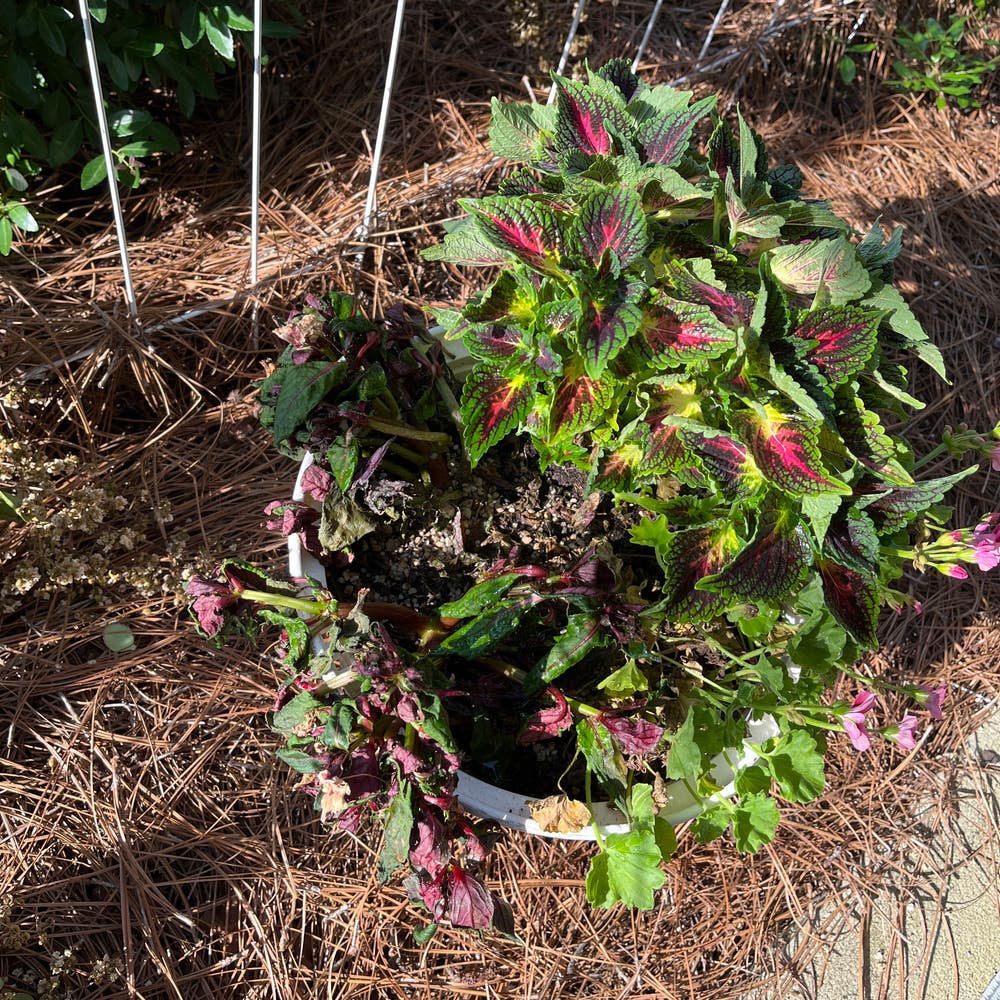
Why Are My Himalayan Balsam Leaves Mushy?
Impatiens glandulifera
By the Greg Editorial Team
Mar 26, 2024•3 min read
This article was created with the help of AI so we can cover more plants for you. May contain errors. See one? Report it here.
Prevent mushy leaves and ensure your Himalayan Balsam thrives with these essential moisture management tips! 🌿💧
- Overwatering leads to mushy leaves, causing wilting and foul odors.
- Improve drainage and airflow to prevent waterlogging and fungal diseases.
- Monitor and adjust watering habits for long-term Himalayan Balsam health.
Spotting the Trouble: Signs Your Himalayan Balsam is Too Wet
💦 Overwatering Overload
If your Himalayan Balsam's leaves feel like a damp sponge, you're in overwatering territory. Wilting, blackened leaves, or a sudden leaf-drop are your plant's distress signals. A foul odor from the soil? That's the red flag of overwatering.
🚰 Drainage Drama
Poor drainage is like a bad plumbing job for your plant. If water sits on the soil's surface or mold appears, your pot's drainage needs a fix. To improve drainage, consider adding perlite or grit to the soil mix, or repotting into a container with better drainage holes.
Fungal Foes: Identifying and Treating Diseases
🍄 Common Culprits
Fungal diseases thrive in the wet conditions that Himalayan Balsam often faces. Root rot manifests as yellowing leaves and a wilted appearance, while lesions on leaves signal an urgent SOS from your plant. Powdery mildew and leaf spot are also common, leaving a dusty or spotty residue on the foliage.
🛡️ Fighting Back
Combat these diseases with targeted treatments. Fungicides can be effective, but always adhere to label instructions. Improving airflow and reducing leaf moisture are key steps in prevention. If an infection is present, remove affected areas and apply a fungicide. Consider eco-friendly options like baking soda, soap, or neem oil for a gentler approach. Remember, prevention is paramount—maintain good hygiene and dry conditions to keep your plant healthy.
Turning Things Around: Rescuing Your Plant
💧 Water Wisdom
Check the soil before you water—dryness is your cue to hydrate. Your Himalayan Balsam's leaves are begging for a watering schedule that's just right. In the cooler months, ease up; your plant's thirst isn't as fierce. If you've been overzealous, it's time to dial it back and let the soil breathe.
🌱 Soil and Pot Perfection
Your plant's pot is its home—make sure it's cozy but not waterlogged. Terracotta pots are your friend here, wicking away extra moisture. The soil mix should be light and airy, like a cloud for roots. Mix in some perlite or coarse sand to keep things well-drained. Remember, a pot with drainage holes is non-negotiable. If you're repotting, think of it as a fresh start in a new, breathable abode.
Keeping It Firm: Long-Term Leaf Health
💧 Watering Rhythms
Consistency is key when it comes to watering your Himalayan Balsam. Establish a schedule that aligns with the plant's needs, keeping in mind that less is more during the cooler months. In summer, your plant's thirst may increase, but always check the soil's top inch before reaching for the watering can. It should feel dry, not damp.
🛡️ Proactive Plant Parenting
Routine checks are the cornerstone of keeping those leaves firm. Monitor your Himalayan Balsam's environment for changes in humidity and light, adjusting your care routine as necessary. Remember, a plant can't move to better conditions—it's all on you. Prevent fungal diseases by ensuring good air circulation; a simple fan can work wonders. Stay vigilant, and your Himalayan Balsam will thank you with firm, healthy leaves.
⚠️ Safety First
This content is for general information and may contain errors, omissions, or outdated details. It is not medical, veterinary advice, or an endorsement of therapeutic claims.
Always consult a qualified healthcare professional before using any plant as food, medicine, or supplement.
Never eat any plant (or feed one to pets) without confirming its identity with at least two trusted sources.
If you suspect poisoning, call Poison Control (800) 222-1222, the Pet Poison Helpline (800) 213-6680, or your local emergency service immediately.
Spotted an error? Please report it here.
Revive your Himalayan Balsam and prevent mushy leaves by letting Greg craft a custom care routine 🌱 that ensures just the right amount of water and care!