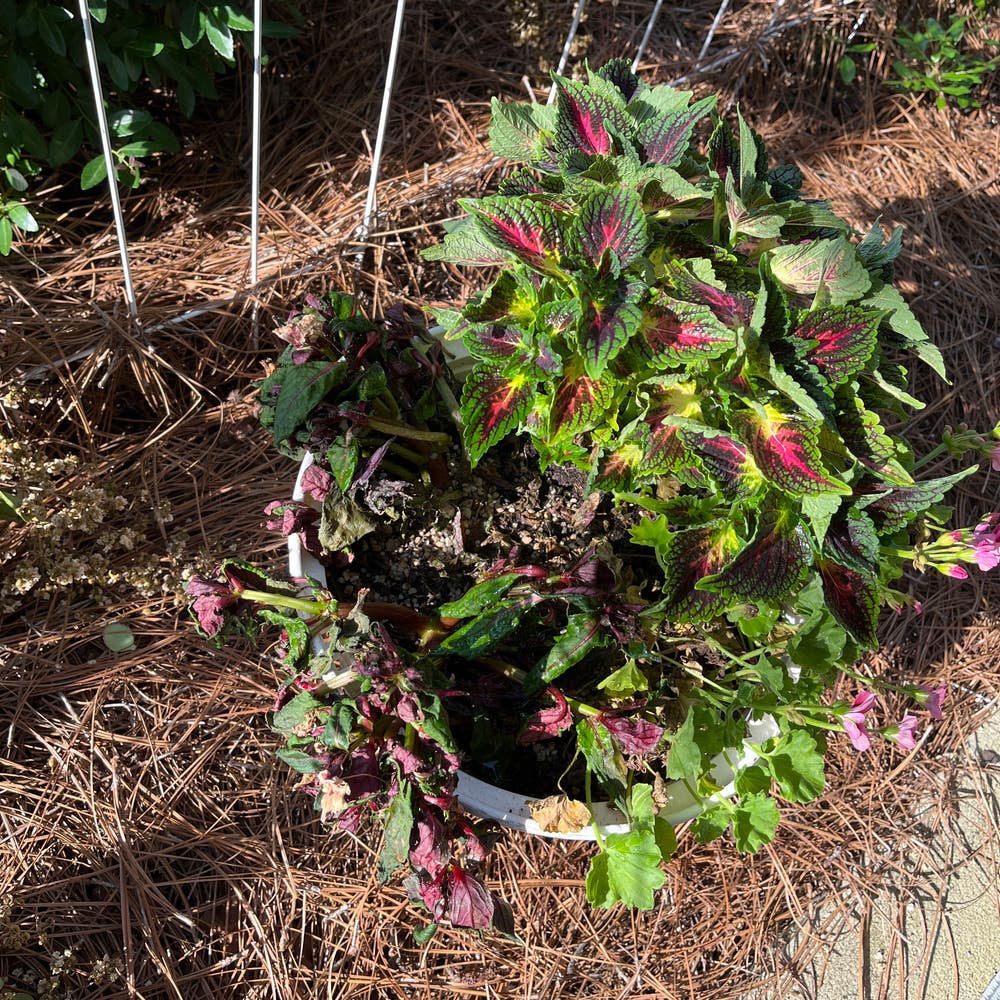
Why Are My Himalayan Balsam Leaves Droopy?
Impatiens glandulifera
By the Greg Editorial Team
Mar 26, 2024•3 min read
This article was created with the help of AI so we can cover more plants for you. May contain errors. See one? Report it here.
Perk up your Himalayan Balsam 🌿 by uncovering and fixing the droop triggers for lush, vibrant leaves!
- 💧 Overwatering and underwatering both lead to droopy leaves; check soil moisture.
- ☀️🌡️ Bright, indirect light and stable temps are ideal for Himalayan Balsam health.
- 🌱 Regular care and adjustments prevent droopiness and maintain plant vigor.
Pinpointing the Culprit: Causes of Droopy Leaves
💧 Water Woes
Overwatering can turn your Himalayan Balsam's roots into an underwatered swamp, leading to yellowing leaves and a lack of vigor. Conversely, underwatering leaves the soil bone-dry and your plant's leaves as crisp as autumn foliage. To check soil moisture, stick a finger an inch into the dirt; if it's damp, skip the watering can.
🌞 Light and Temperature: Finding the Sweet Spot
Too much light scorches leaves, while too little leaves them languishing for lumens. Himalayan Balsam thrives in bright, indirect sunlight and a temperature range that's just right—not too hot, not too cold. Keep your plant away from drafts and direct heat sources to maintain this balance.
🍽️ Nutrient Know-How
Yellowing leaves might signal a nitrogen shortage, while brown tips could point to a potassium plea. Soil quality is paramount; a well-balanced, nutrient-rich mix supports healthy leaf growth. Regularly check for signs of nutrient deficiencies and adjust your fertilization routine accordingly.
Turning the Tide: Immediate Actions to Perk Up Your Plant
💧 Adjusting Your Watering Technique
Watering is both an art and a science. If your Himalayan Balsam is drooping due to overwatering, let the soil dry out before you water again. For those underwatered, it's time for a thorough soak—just make sure the excess can escape.
Drainage isn't glamorous, but it's essential. Improve it by mixing in perlite or coarse sand. This keeps roots from drowning in soil that's too clingy.
🌞 Light and Temperature Adjustments
Light can be a fickle friend. Too much, and your plant throws a fit; too little, and it sulks. Gradually adjust exposure to find that bright, indirect sweet spot.
Temperature should be as stable as your favorite pub. Avoid placing your plant in drafty areas or next to heat sources. Think steady, comfortable room temperature—your plant isn't looking for a sauna or an ice bath.
Long-Term Love: Preventing Future Flop
💧 Consistent Care Routines
Establishing a watering schedule that's as regular as your morning alarm is crucial. Your Himalayan Balsam's thirst isn't random—it craves predictability. Regular checks for early signs of stress can prevent a full-blown plant meltdown.
🌿 Environmental Harmony
Stable conditions are like comfort food for your Himalayan Balsam. It thrives in a consistent light and temperature setting, so find that sweet spot and stick to it. Consider repotting or changing the soil mix when your plant seems to be outgrowing its current digs or just looks a bit "meh."
⚠️ Safety First
This content is for general information and may contain errors, omissions, or outdated details. It is not medical, veterinary advice, or an endorsement of therapeutic claims.
Always consult a qualified healthcare professional before using any plant as food, medicine, or supplement.
Never eat any plant (or feed one to pets) without confirming its identity with at least two trusted sources.
If you suspect poisoning, call Poison Control (800) 222-1222, the Pet Poison Helpline (800) 213-6680, or your local emergency service immediately.
Spotted an error? Please report it here.
Achieve perky leaves 🍃 on your Himalayan Balsam by using Greg to dial in the perfect watering and care routine from these expert tips!