Why Is My Himalayan Balsam Not Doing Well?
Impatiens glandulifera
By the Greg Editorial Team
Mar 26, 2024•5 min read
This article was created with the help of AI so we can cover more plants for you. May contain errors. See one? Report it here.
Revive your wilting Himalayan Balsam 🌿 with these essential plant care lifesavers!
- 🍂 Wilting and discoloration signal your Balsam's distress.
- 💧 Proper watering and light are key to preventing issues.
- 🐛 Watch for pests and mold to keep your plant healthy.
Spotting the Signs of Distress in Himalayan Balsam
🥀 Wilting and Discoloration
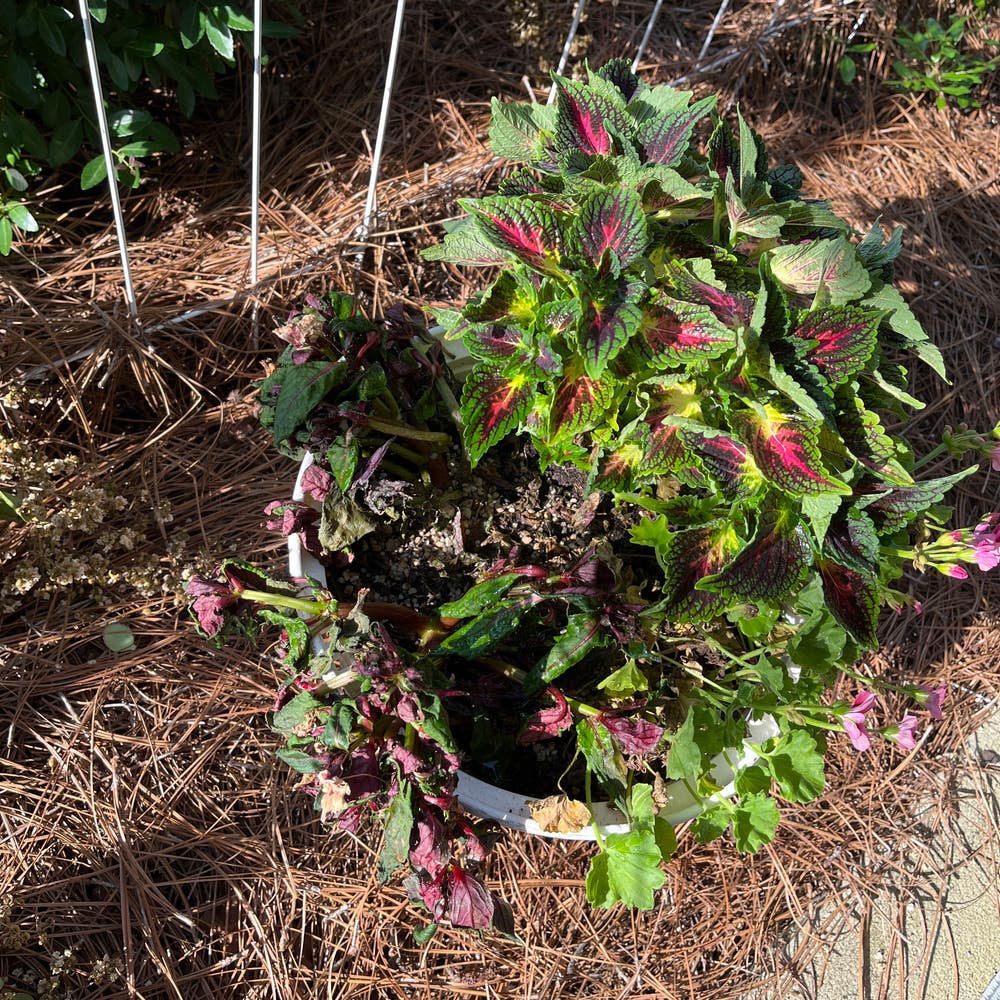
Wilting in Himalayan Balsam is like a red flag; it's the plant's way of saying, "Hey, I'm not okay!" If the leaves hang limply or show off brown and yellow spots, it's time to turn detective. Yellowing leaves are snitching on your care routine, while leaves that resemble overcooked pasta are crying out for help. Touch the leaves; if they feel off, trust your instincts.
🚱 Quick Checks for Over or Under-Watering
Overwatering leaves the soil soggy and can make your Balsam's new growth break easily. If the soil feels like a swamp, you've gone overboard. Underwatering, on the other hand, leaves the soil dry and the leaves crispy. Check for soil pulling away from the pot's sides—it's a silent SOS.
🌱 Growth and Appearance
When your Himalayan Balsam isn't growing sky-high, it's likely experiencing stunted growth or developing leggy stems. This could be a sign that it's not getting what it needs. Leggy stems often mean your plant is stretching for more light, while stunted growth can indicate a range of issues from poor nutrition to inadequate light.
🌡️ The Tale of Temperature and Light: Finding the Sweet Spot
Himalayan Balsam dislikes the cold shoulder. Frost can cause wilting and discoloration, turning parts of the plant brown or black. These parts are beyond saving and will need pruning. On the flip side, yellow leaves might mean your plant is getting too much heat. Keep the temperature consistent and ensure your plant gets the right amount of light without getting scorched.
Water Woes: Too Much or Too Little
💦 Over-watering: The Drowning Dilemma
Yellowing leaves and a soil consistency akin to a wetland are your Himalayan Balsam's way of saying it's had too much to drink. Over-watering can lead to a soggy disaster, with root rot waiting to claim your plant's vitality.
Rescue Remedies for Waterlogged Balsam
- Cease watering immediately to let the soil dry out.
- Check for root rot; if present, trim away the affected areas.
- Ensure your pot has adequate drainage and consider switching to a well-draining soil mix.
🏜️ Under-watering: The Thirsty Plant Plight
Crispy leaves and soil pulling away from the pot's edge scream neglect. Your Balsam is as thirsty as a marathon runner without a water station in sight. Under-watering can be just as harmful as over-watering, leaving your plant dehydrated and stunted.
Hydration Help: Quenching Your Balsam's Thirst
- Wait until the top inch of soil is dry, then water deeply but not excessively.
- Adopt a consistent watering schedule, adjusting for changes in temperature and light.
- Monitor your plant's response and tweak your routine to find that hydration sweet spot.
Battling the Bugs and Blights
🐛 Pests: Unwanted Guests on Your Balsam
Aphids, spider mites, and mealybugs are the troublemakers you're likely to find on your Himalayan Balsam. These pests are notorious for turning lush greenery into their personal juice bars.
🕵️ Identifying Aphids, Spider Mites, and Mealybugs
Aphids are tiny, but they come in droves, often clustering on new growth and the undersides of leaves. Look for a sticky residue they leave behind, known as honeydew. Spider mites are even smaller, almost microscopic, but they leave telltale webs and cause leaves to look speckled and dull. Mealybugs, the fluffy villains, are easier to spot with their cotton-like coverings.
💣 Natural and Chemical Warfare: Evicting Pests Effectively
To show these pests the exit, start with a water spray to knock them off their feet. For a greener approach, insecticidal soap or neem oil can be effective. Introducing natural predators like ladybugs can also help keep the aphid population in check. If you're dealing with a full-blown infestation, it might be time for chemical pesticides. Always check the label for plant sensitivity and apply with precision.
🍄 Fungal Foes: Mold and Mildew
Fungal problems in Himalayan Balsam often manifest as unsightly mold and mildew, turning your plant's home into a less-than-ideal environment.
👀 Spotting Signs of Fungal Invasion
Mold and mildew are the party poopers, leaving a powdery or fuzzy coating on leaves and stems. If you see any unusual spotting or discoloration, it's time to take action.
🌬️ Clearing the Air: Combating Mold and Mildew
To combat these fungal foes, start by removing affected foliage. Improve air circulation around your plant, and ensure the foliage stays dry. If mold or mildew persists, apply a fungicide, but remember, the best offense is a good defense. Preventative measures like proper watering and air flow can save you from a world of fungal headaches.
Sun Struggles and Temperature Tumbles
🌞 Leaf Scorching: When the Sun Burns Too Bright
Himalayan Balsam's leaves crisping up? That's a sunburn. Brown patches and faded colors are the plant's SOS.
Bright, indirect light is the sweet spot. Consider a sheer curtain or a spot that's sunny, yet not harsh, to prevent leaf scorch.
🌡️ Temperature Tantrums: Keeping the Climate Consistent
Leaf curling or a sudden leaf drop? Your Balsam is throwing a temperature tantrum.
Avoid drafts and extreme temperature changes. Stability is key. If it's too hot, shade it; too cold, move it to a warmer spot.
⚠️ Safety First
This content is for general information and may contain errors, omissions, or outdated details. It is not medical, veterinary advice, or an endorsement of therapeutic claims.
Always consult a qualified healthcare professional before using any plant as food, medicine, or supplement.
Never eat any plant (or feed one to pets) without confirming its identity with at least two trusted sources.
If you suspect poisoning, call Poison Control (800) 222-1222, the Pet Poison Helpline (800) 213-6680, or your local emergency service immediately.
Spotted an error? Please report it here.
Revive your Himalayan Balsam from distress with Greg's insights 🌿, pinpointing care missteps and guiding you to a healthier plant life.