What Temperature Does My Himalayan Balsam Need?
Impatiens glandulifera
By the Greg Editorial Team
Mar 26, 2024•3 min read
This article was created with the help of AI so we can cover more plants for you. May contain errors. See one? Report it here.
Discover the secret to a lush Himalayan Balsam with the perfect temp guide! 🌡️🌿
- Daytime warmth 65-75°F, nighttime cool 50-55°F for Himalayan Balsam.
- 🍂 Wilting or brown spots? Your plant's temperature is off.
- Insulate or heat to maintain health; monitor humidity too.
Hitting the Sweet Spot: Day and Night Temperature Needs
Finding the perfect temperature balance for your Himalayan Balsam is crucial for its health and blooming potential.
🌡️ Daytime Delight: The Ideal Warmth
During the day, Himalayan Balsam thrives in temperatures ranging from 65 to 75°F (18 to 25°C). This range encourages robust growth and the full unfurling of its flowers.
🌙 When the Sun Goes Down: Keeping It Cool
At night, cooler temperatures between 50 and 55°F (10 to 13°C) are ideal. This mimics the plant's native habitat and is essential for its natural rest cycle.
When Your Plant's Feeling the Heat: Recognizing Temperature Stress
Recognizing when your Himalayan Balsam is too hot or too cold is crucial for its well-being.
🌡️ From Droop to Discolor: Symptoms of Getting It Wrong
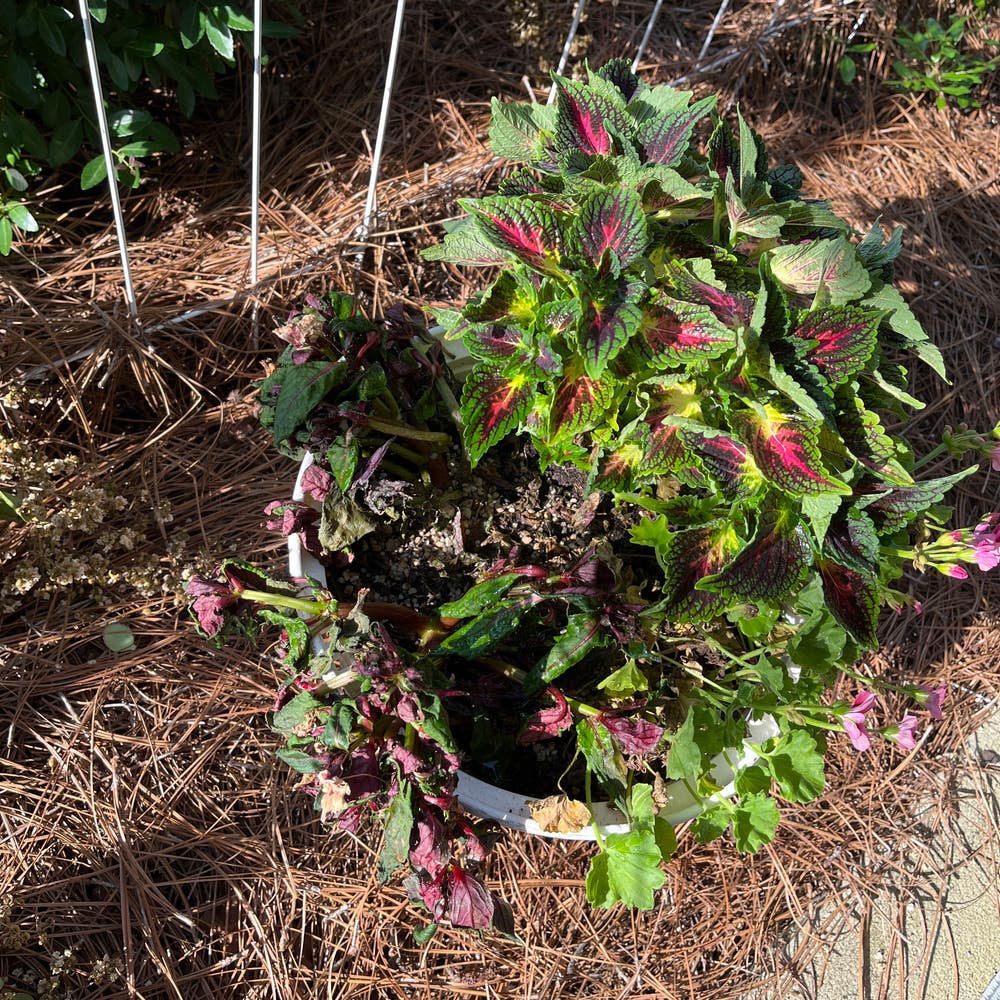
Wilting leaves are your plant's white flag—too hot. If the leaves look more like autumn foliage than lush greenery, it's a sign they're cooking. Stunted growth? Another red flag that your plant's internal thermostat is off-kilter.
🥶 The Big Chill vs. The Heat Wave: Effects of Extreme Temperatures
When your Himalayan Balsam is too cold, it might not shiver, but brown spots or edges are a visual teeth-chatter. Conversely, a plant that's too hot might drop leaves like they're going out of style, a desperate attempt to stay cool.
Keeping Your Cool (or Warmth): Managing Himalayan Balsam's Temperature
Maintaining the optimal temperature for your Himalayan Balsam is crucial for its health and vibrancy.
🌬️ Insulation and Ventilation: Playing with the Environment
Thermometers are your best friends in the quest to keep your Himalayan Balsam comfortable. To combat the cold, consider wrapping the pot base with burlap or a frost cloth, much like a cozy sweater for your plant's roots. Heating mats can also provide a gentle warmth, especially beneficial during those chilly nights.
For those hotter days, positioning your plant in the coldest room of your house can prevent overheating. Ensure this room still receives ample sunlight but is shielded from the midday blaze. Room heaters or fans can help adjust the temperature, but keep them at a safe distance to avoid scorching or chilling your plant.
💧 The Humidity Factor: A Quick Note
Humidity and temperature go hand in hand. A hygrometer can help monitor the humidity levels, ensuring they complement the temperature to create a comfortable microclimate. Remember, while Himalayan Balsam doesn't throw a fit over minor humidity changes, extremes can lead to a dry, unhappy plant. Keep things balanced for a thriving Balsam.
⚠️ Safety First
This content is for general information and may contain errors, omissions, or outdated details. It is not medical, veterinary advice, or an endorsement of therapeutic claims.
Always consult a qualified healthcare professional before using any plant as food, medicine, or supplement.
Never eat any plant (or feed one to pets) without confirming its identity with at least two trusted sources.
If you suspect poisoning, call Poison Control (800) 222-1222, the Pet Poison Helpline (800) 213-6680, or your local emergency service immediately.
Spotted an error? Please report it here.
Keep your Himalayan Balsam in peak bloom 🌡 by using Greg to effortlessly monitor and manage its ideal temperature and humidity settings.