Is Direct Sunlight Good for My Himalayan Balsam?
Impatiens glandulifera
By the Greg Editorial Team
Mar 26, 2024•3 min read
This article was created with the help of AI so we can cover more plants for you. May contain errors. See one? Report it here.
Ensure your Himalayan Balsam thrives with the ideal sunlight mix, avoiding sunburn and wilt. 🌞🌿
- Direct vs. indirect sunlight: Himalayan Balsam thrives in softer light.
- 4-6 hours of sun daily is the sweet spot for this plant.
- Adjust placement by hemisphere: South or north-facing windows are key.
Sunlight Decoded: Direct vs. Indirect
🌞 What is Direct Sunlight?
Direct sunlight is unfiltered solar energy beaming straight onto surfaces, creating sharp shadows. It's the intense light you feel on your skin standing in an open field at noon.
🌥 The Softer Side: Indirect Sunlight
Indirect sunlight is the gentle cousin, the light that brightens a room without the glare. It's like the sun's rays have taken a softer approach, after bouncing off walls or filtering through a cloud.
🌞 Direct Sunlight and Your Himalayan Balsam
Himalayan Balsam does enjoy sunlight, but direct sun can be too intense. It prefers a milder touch, akin to wearing sunglasses on a sunny day.
The Sunlight Sweet Spot for Himalayan Balsam
🌞 How Much Sun is Too Much?
Leaf scorch is your first clue that your Himalayan Balsam is getting more sun than it can handle. If you notice the leaves turning a crispy brown or the edges looking like they've been kissed by a flame, it's time to rethink your plant's sunbathing routine. Similarly, if the vibrant green fades to a pale yellow, it's not just a fashion statement—it's a distress signal.
The Perfect Balance
Himalayan Balsam craves sunlight like a cat craves a warm lap, but it doesn't want to overheat. Aim for that sweet spot of 4 to 6 hours of direct sunlight daily. Keep an eye on the thermometer, too; these plants prefer a comfortable range of 65~75℉ (18~25℃). When the flowers burst open in full regalia, you'll know you've hit the jackpot of sunlight exposure.
Windows and Hemispheres: The Geography of Light
🌞 Window Wise: Where to Place Your Plant
Understanding how window directions affect your Himalayan Balsam is crucial. South-facing windows are your plant's best friend, offering a full day of sunbathing. If your Himalayan Balsam could talk, it would probably ask for this sunny spot. East or west windows? They're the part-time pals, delivering direct sunlight only during mornings or afternoons. And north-facing windows are the chill companions, providing consistent but gentle light.
🌍 North or South: Hemisphere Hints
Your global address plays a big role in your plant's mood. In the Northern Hemisphere, south-facing windows are the VIP lounge for sunlight. Flip the map upside down for the Southern Hemisphere, where north-facing windows are the sun's favorite stage. Seasons also tweak the sunlight script, so consider moving your Himalayan Balsam closer or further from the window as the Earth tilts and turns. Keep a watchful eye on your plant's reaction to these changes; it's the best indicator of whether you've hit the sunlight jackpot.
Protecting Your Himalayan Balsam from Sunburn
🌞 Recognizing Sun Stress
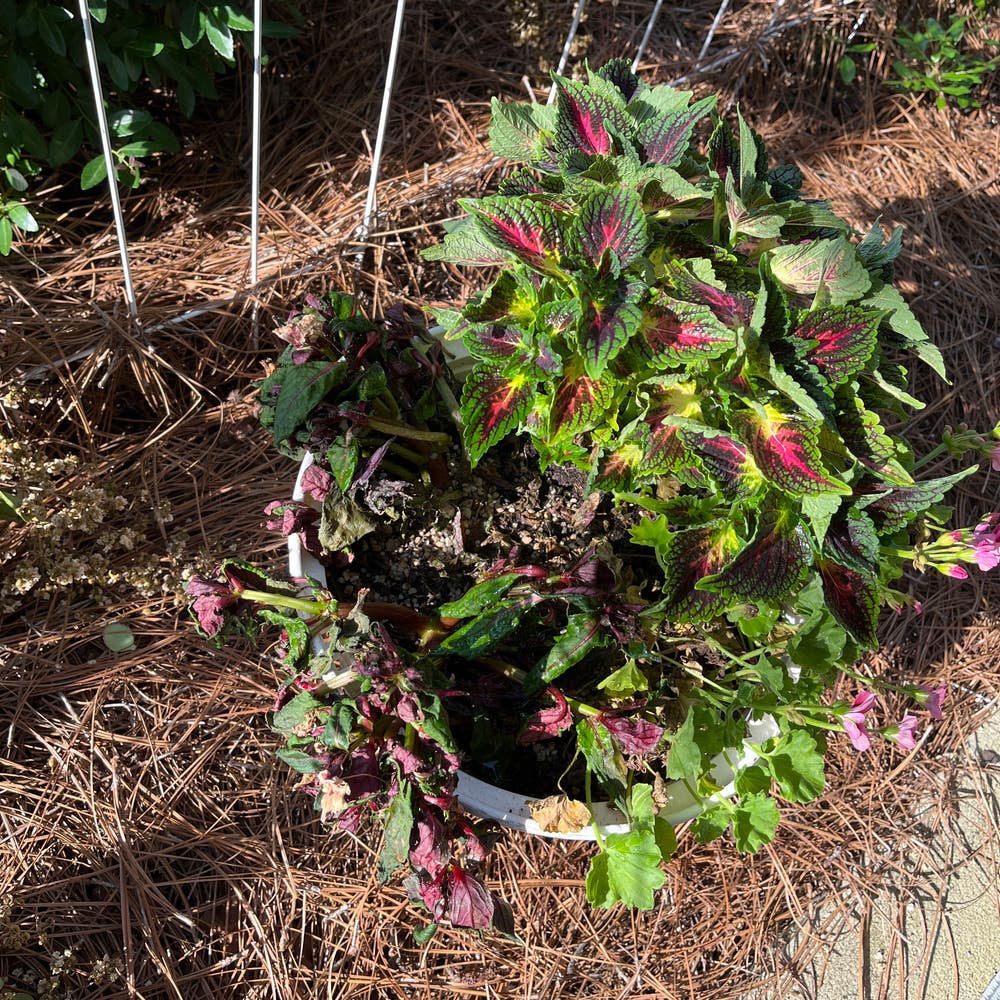
Wilting and discoloration are the Himalayan Balsam's SOS signals when it's had too much sun. Crispy, brown leaves are the equivalent of a red flag; they mean your plant is crying out for relief from the intense rays.
🌅 Sunlight Solutions
Strategic placement is key. Position your Himalayan Balsam where it can enjoy bright, but indirect, sunlight. Use sheer curtains as a barrier against harsh rays, especially during peak hours. If outdoors, consider a spot with partial shade, mimicking its natural preference for less intense light. Remember, it's about creating a comfortable environment, not just avoiding leaf burn.
⚠️ Safety First
This content is for general information and may contain errors, omissions, or outdated details. It is not medical, veterinary advice, or an endorsement of therapeutic claims.
Always consult a qualified healthcare professional before using any plant as food, medicine, or supplement.
Never eat any plant (or feed one to pets) without confirming its identity with at least two trusted sources.
If you suspect poisoning, call Poison Control (800) 222-1222, the Pet Poison Helpline (800) 213-6680, or your local emergency service immediately.
Spotted an error? Please report it here.
Ensure your Himalayan Balsam thrives in just the right light by letting Greg auto-magically pinpoint 🌟 the ideal spot in your home for those 4-6 hours of blissful sun.