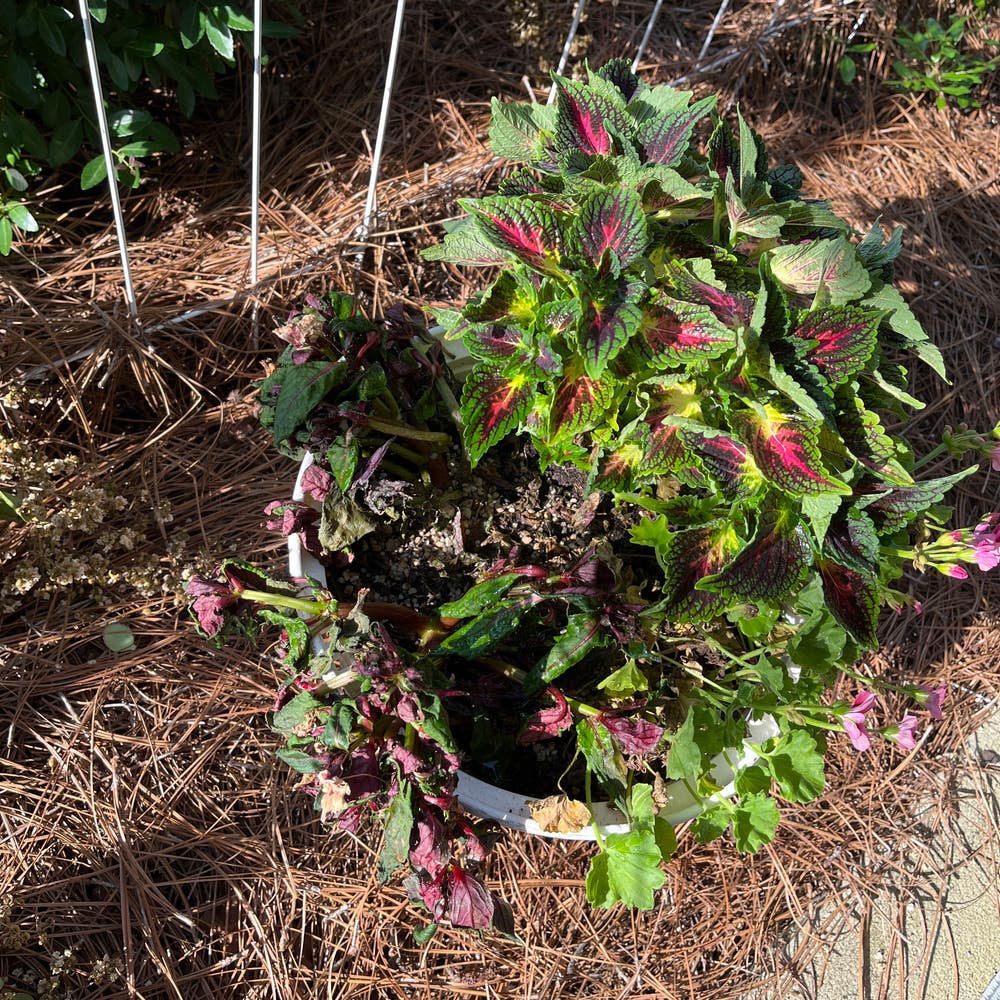
What Are The Bugs on My Himalayan Balsam?
Impatiens glandulifera
By the Greg Editorial Team
Mar 26, 2024•4 min read
This article was created with the help of AI so we can cover more plants for you. May contain errors. See one? Report it here.
Safeguard your Himalayan Balsam 🌺 from bug invasions with these proven pest-fighting strategies!
- 🕷️ Spider mites and mealybugs: Treat with insecticidal soap or neem oil.
- 🍂 Dry soil and sticky traps combat fungus gnats and fruit flies.
- 🌱 Healthy plants and cleanliness are key to preventing pest infestations.
Meet the Unwanted Guests: Common Himalayan Balsam Pests
🕷️ Spider Mites: The Sneaky Sap-Suckers
Tiny but mighty, spider mites can turn your Himalayan Balsam into an all-you-can-eat buffet. Webbing on the leaves and a dusty look are the red flags. To tackle them, go for insecticidal soap or neem oil. Humidity is your ally here—spider mites despise it.
🦠 Scale Insects: Sticky Troublemakers
Scale insects masquerade as harmless bumps on your plant, but they're anything but. They suck the sap and excrete sticky honeydew. To evict these freeloaders, scrape them off or use a cotton swab dipped in alcohol. For prevention, keep your Himalayan Balsam robust and inspect new plants meticulously.
🦟 Fungus Gnats and Fruit Flies: The Fliers of Frustration
If you see tiny fliers around your Himalayan Balsam, you've got gnats or fruit flies. Their larvae are the real troublemakers in the soil. Dry out the topsoil to disrupt their lifecycle and set up sticky traps to catch the adults. Good air circulation and cleanliness are your best defense.
🐛 Mealybugs: The White Wonders of Woe
Mealybugs leave a fluffy white mess on your Himalayan Balsam as they feast. If you spot them, it's time for action. Insecticidal soap or neem oil can help, but you'll need to be persistent. Keep your plant clean and check regularly to prevent a mealybug reunion.
🦗 Other Frequent Flyers and Crawlers
Aphids, thrips, and whiteflies are the party crashers no one invited. They each require a specific strategy—a strong water spray, insecticidal soap, or neem oil are your go-to options. Consistency in treatment and plant care will help keep these pests from becoming regulars.
Understanding Pest Attraction and Behavior
🐜 Why Himalayan Balsam is a Bug Magnet
Himalayan Balsam's vivid blooms aren't just eye candy for us; they're an all-you-can-eat buffet for bugs. Nectar and pollen are the main attractions, turning these plants into insect hotspots. Add in the plant's high humidity levels, and you've got a party that every pest wants to crash.
🦠 The Lifecycle of Common Pests on Your Plant
Eggs laid on leaves or stems hatch into hungry larvae, which then feast on your Himalayan Balsam. After pupating, adult pests emerge, ready to start the cycle anew. This isn't a one-time event; it's a revolving door of destruction if left unchecked.
🌙 Behavioral Patterns: When Pests Are Most Active
Pests have their own rush hours. Many are nocturnal, sneaking bites under the cover of darkness. Others prefer the heat of the day. Timing your inspections is key—catch them in the act, and you're one step closer to evicting these freeloaders.
Proactive Pest Prevention
🌱 Cultivating Resilience: Best Practices
Healthy plants are your first line of defense against pests. Start with the basics: adequate sunlight, proper watering, and nutrient-rich soil. Over-fertilization is a no-no—it's like an open buffet for bugs. Instead, opt for slow-release fertilizers that don't overwhelm your Himalayan Balsam.
🌍 Environmental Tweaks: Deterrence Strategies
Think like a pest to beat a pest. Humidity and stagnant air are party zones for bugs, so ensure good air circulation and consider a dehumidifier if you're in a particularly muggy area. Also, group your plants like a clique; pests are less likely to crash a well-spaced garden.
🕵️ Regular Checks: The Key to Pest-Free Living
Routine inspections are non-negotiable. Treat them like a dental check-up for your plant—regular and thorough. Spot a problem? Isolate the plant faster than you'd unfriend a spoiler-happy buddy. And remember, cleanliness is next to pestlessness, so keep those leaves dust-free and the area around your plants tidy.
🐞 Encouraging Beneficial Insects
Ladybugs and lacewings aren't just cute; they're carnivorous critters that love to munch on pests. Attract these allies by planting flowers they can't resist or by buying them online—yes, that's a thing.
🛡️ Integrated Pest Management (IPM)
IPM is the smart plant owner's game plan. It's about using the least environmentally impactful methods first. So, before you go nuclear with chemicals, try a strong blast of water or insecticidal soap. And keep those natural predators around; they're the bouncers in this club.
Remember, proactive pest prevention is about being as tough and resilient as the Himalayan Balsam itself—without becoming an invasive species in your own garden.
⚠️ Safety First
This content is for general information and may contain errors, omissions, or outdated details. It is not medical, veterinary advice, or an endorsement of therapeutic claims.
Always consult a qualified healthcare professional before using any plant as food, medicine, or supplement.
Never eat any plant (or feed one to pets) without confirming its identity with at least two trusted sources.
If you suspect poisoning, call Poison Control (800) 222-1222, the Pet Poison Helpline (800) 213-6680, or your local emergency service immediately.
Spotted an error? Please report it here.
Keep your Himalayan Balsam pest-free 🐞 with Greg's tailored care reminders that ensure a healthy, resilient plant ready to ward off unwanted critters.