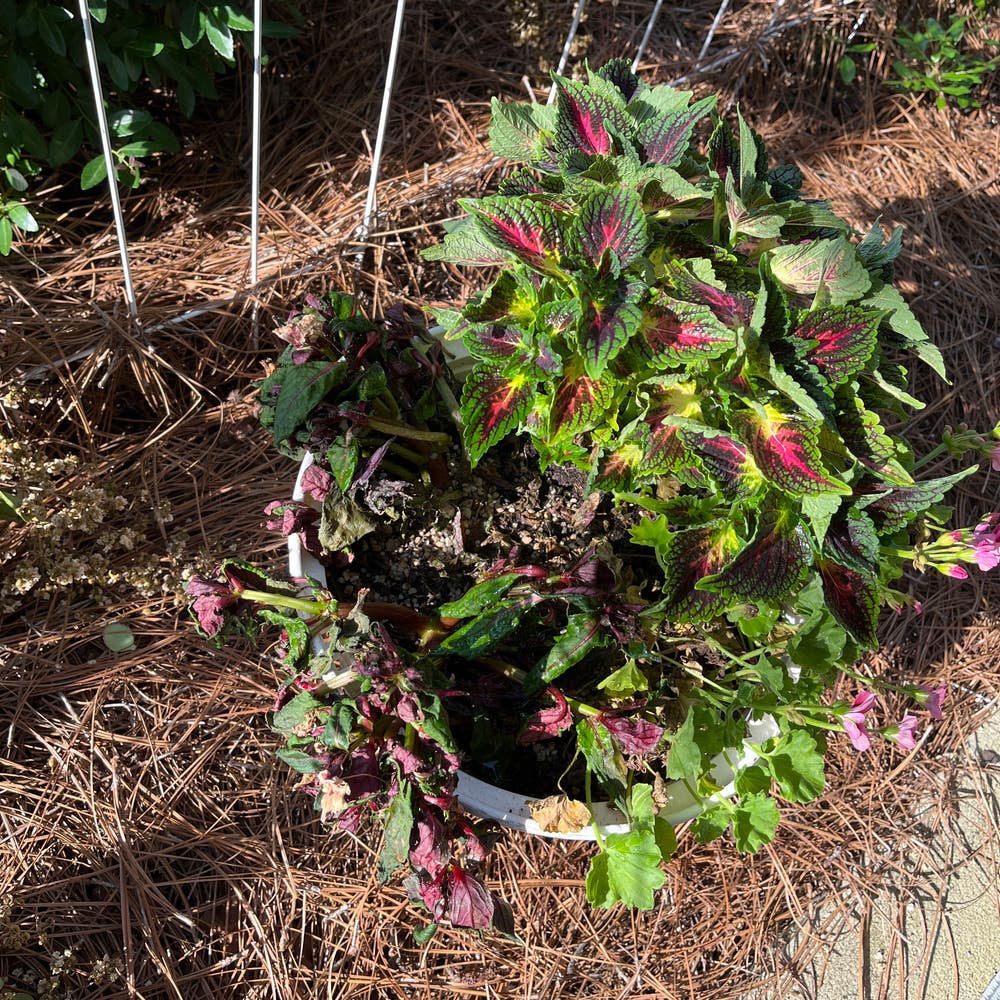
Why Are My Himalayan Balsam Leaves Dropping?
Impatiens glandulifera
By the Greg Editorial Team
Mar 26, 2024•3 min read
This article was created with the help of AI so we can cover more plants for you. May contain errors. See one? Report it here.
Stop your Himalayan Balsam's leaf-drop mystery 🍂 and nurture a lush, healthy plant with ease!
- Recognize symptoms early to maintain Himalayan Balsam health.
- Pests and diseases like aphids and mildew cause leaf drop.
- Consistent care and proper feeding prevent leaf loss.
Spotting the Trouble Signs
🍂 When Leaves Wave Goodbye
Recognizing symptoms of leaf drop in Himalayan Balsam is key to plant health. Look for leaves that detach with little effort or seem to be in a rush to hit the ground. A mass exodus of foliage is your cue to act.
💥 Stress Signals
Environmental stress can lead to leaf loss, and it's not always about pests or diseases. Sunburn or chill damage might show up as undefined, discolored areas on leaves. If your plant's leaves are sporting spots or look like they've seen better days, it's time to reassess their living conditions. Keep an eye out for yellowing leaves, especially in younger growth, as this can be a stress signal. Avoid temperature drama; Himalayan Balsam doesn't appreciate sudden changes. Regular vigilance is your best tool—inspect your plant often to catch these signs early.
The Usual Suspects: Pests and Diseases
🐜 Uninvited Guests
Your Himalayan Balsam may be under siege by pests. Aphids, mealybugs, and spider mites are the usual suspects. These tiny terrors suck sap from leaves, leaving them weak and prone to dropping. Sticky residue or discolored foliage are telltale signs of their presence. Vigilance is key—inspect your plant regularly to catch these critters early.
🦠 Sick Leaves
Diseases can be just as stealthy and destructive as pests. Fungal infections, such as powdery mildew and downy mildew, manifest as unsightly spots or fuzzy growths. These are often accompanied by a yellow halo. Bacterial leaf spot is another silent assassin, difficult to treat once it takes hold. If you spot any of these symptoms, act fast to prevent further damage. Affected areas should be pruned and proper air circulation should be maintained to avoid future outbreaks.
Feeding Your Green Friend Right
💡 Nutrient Know-How
Nutrient deficiencies in Himalayan Balsam can lead to leaf drop. Yellowing leaves might indicate a lack of nitrogen, while brown spots could suggest a potassium shortage. To spot these deficiencies, observe your plant's leaf color and texture changes.
🍽️ Fertilizer Fix
A balanced fertilizer applied in spring can prevent nutrient-related leaf loss. Conduct a soil test to tailor your fertilization strategy; it's like a personalized diet plan for your plant. Incorporate organic matter to enrich the soil naturally. Remember, over-fertilizing can be just as harmful as under-fertilizing—moderation is key.
Turning Over a New Leaf: Recovery and Prevention
🌿 Environmental TLC
Adjusting your Himalayan Balsam's environment is crucial. If it's basking in too much sunlight, give it some shade. Not enough humidity? A pebble tray or humidifier can work wonders. Keep the temperature consistent; think of your plant as a creature of habit, loving a steady climate.
🐜 Keeping the Pests at Bay
Pest control is non-negotiable. Wipe leaves regularly to keep pests at bay. Spot an infestation? Treat it with soapy water or neem oil—your plant's personal bodyguards. Remember, it's easier to prevent pests than to fight them off.
🌱 Consistent Care
Routine care is the secret sauce for plant health. Inspect your Himalayan Balsam often, as if it's under surveillance. Notice a change in leaf texture or color? Act fast. Watering should be a calculated move—check the soil's moisture before giving it a drink. And when it comes to feeding, less is often more; over-fertilizing is a no-go. Keep a log of your plant's progress; it's like having a plant diary for troubleshooting. Stay vigilant, and your plant will reward you with resilience.
⚠️ Safety First
This content is for general information and may contain errors, omissions, or outdated details. It is not medical, veterinary advice, or an endorsement of therapeutic claims.
Always consult a qualified healthcare professional before using any plant as food, medicine, or supplement.
Never eat any plant (or feed one to pets) without confirming its identity with at least two trusted sources.
If you suspect poisoning, call Poison Control (800) 222-1222, the Pet Poison Helpline (800) 213-6680, or your local emergency service immediately.
Spotted an error? Please report it here.
Ensure your Himalayan Balsam remains leafy and lush 🍃 with Greg's personalized care reminders, helping you catch any signs of stress or pests early on.