How Do I Fix Himalayan Balsam Root Rot?
Impatiens glandulifera
By the Greg Editorial Team
Mar 26, 2024•3 min read
This article was created with the help of AI so we can cover more plants for you. May contain errors. See one? Report it here.
Rescue your wilting Himalayan Balsam 🌿 from root rot with these vital, easy-to-follow recovery tips.
- Prune affected roots and let soil dry to combat root rot.
- Revitalize soil with compost or manure for healthy growth.
- Maintain proper environment to prevent future root rot.
Spotting the Red Flags: Symptoms of Root Rot in Himalayan Balsam
🚩 Visual Symptoms
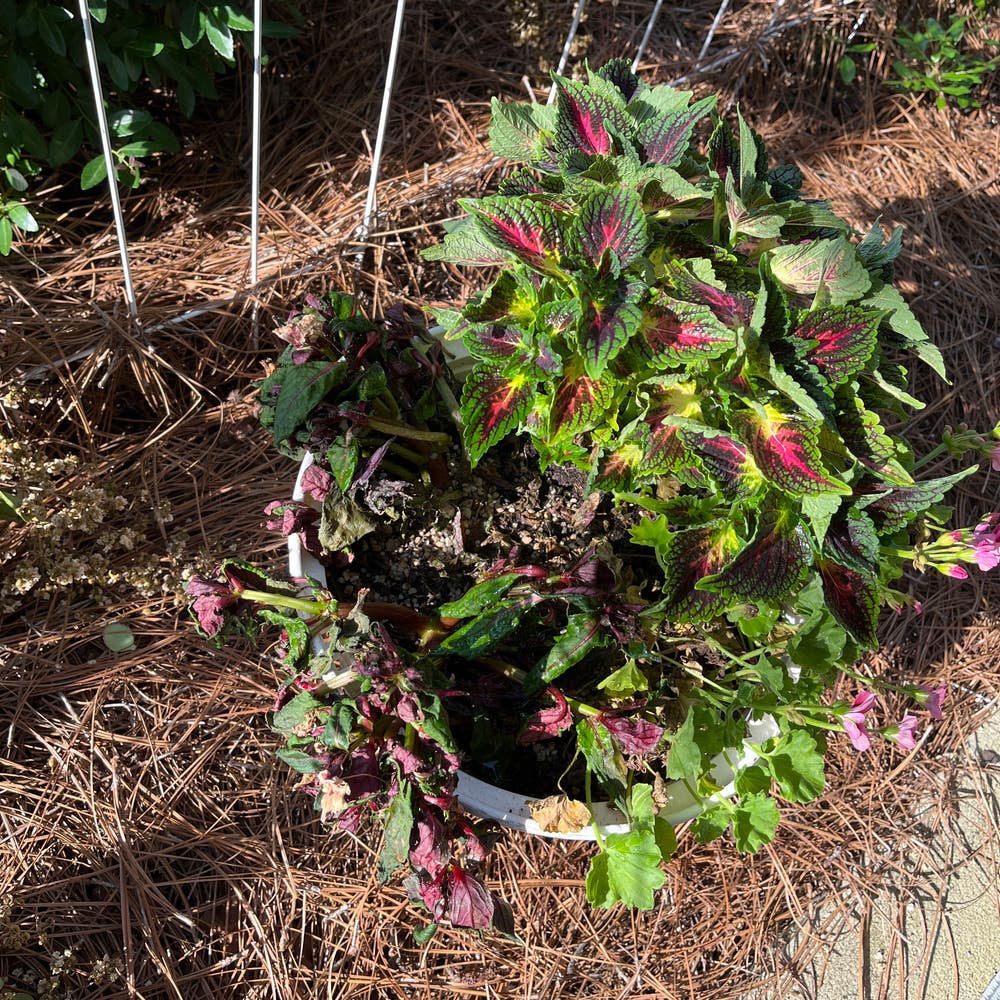
Yellowing leaves on your Himalayan Balsam are not just a fashion faux pas; they're a distress signal. If the plant's vibrancy is fading faster than a cheap dye job, take action. Wilting is another tell-tale sign; it's not just a bad plant day—it's a symptom of a potentially fatal condition. And if your Himalayan Balsam's growth is more stunted than a bonsai by choice, you've got a problem.
🕵️ Beyond the Surface
To confirm your suspicions of root rot, you'll need to play plant detective. Gently unearth the roots and look for discoloration. Healthy roots are like fresh produce—firm and vibrant. If they're looking more like leftovers—mushy and brown—it's time for a root intervention. A foul odor emanating from the soil is the equivalent of a "Do Not Enter" sign; heed it.
First Response: Immediate Actions to Combat Root Rot
🌿 Pruning for Survival
When Himalayan Balsam's roots start to resemble a mushy, brown mess, it's scissor time. Sterilize your shears; we're not spreading the love, just cutting the rot. Snip away the soft, discolored roots, but leave the firm, white ones—they're the good guys. Match your foliage pruning to the roots you've removed; it's about balance, not a beauty contest.
💧 Drying Out the Problem
Watering habits need a 180—overwatering is the enemy. Let the soil go from swamp to dry land before you even think about watering again. This isn't a suggestion; it's an order for the survival of your Himalayan Balsam. Keep the base dry, like a martini, and watch for signs of recovery before you resume normal care.
Long-Term Care Strategies After Root Rot
🌱 Rebuilding the Foundation
Soil is the lifeblood of your Himalayan Balsam's recovery. Revitalize it with organic compost or well-rotted manure. This isn't just fluff; it's about creating a resilient substrate that promotes healthy root growth and improves drainage. Think of it as a spa treatment for your plant's underground parts.
🛡️ Keeping Fungus at Bay
Fungus is a sneaky adversary, but you're sneakier. Timing is everything—apply fungicides or natural remedies like neem oil or cinnamon before the fungus throws its next party. Be the bouncer at the door of your plant's health, checking for trouble before it starts. Remember, the goal is to keep your Himalayan Balsam thriving, not just surviving.
Root Rot Prevention: Best Practices for Himalayan Balsam
💧 Water Wisdom
Navigating Himalayan Balsam's hydration needs is more art than science. Watering should be intentional, not habitual. Before giving your plant a drink, check the top inch of soil for dryness. If it's damp, hold off. Overwatering is the fast track to root rot, so aim for moist, not soggy. During the chill of winter, your balsam's thirst wanes—reduce the watering accordingly.
🌡️ The Right Environment
Creating a conducive environment for Himalayan Balsam is about balance. Temperature and humidity need to be just right—think Goldilocks, not too hot, not too cold. Keep the air moving around your plant; stagnant air is a fungal fiesta waiting to happen. Use fans if needed, but avoid drafts. Remember, Himalayan Balsam despises the cold; protect it from frost to prevent a botanical heartbreak.
⚠️ Safety First
This content is for general information and may contain errors, omissions, or outdated details. It is not medical, veterinary advice, or an endorsement of therapeutic claims.
Always consult a qualified healthcare professional before using any plant as food, medicine, or supplement.
Never eat any plant (or feed one to pets) without confirming its identity with at least two trusted sources.
If you suspect poisoning, call Poison Control (800) 222-1222, the Pet Poison Helpline (800) 213-6680, or your local emergency service immediately.
Spotted an error? Please report it here.
Revive your Himalayan Balsam from root rot by spotting early signs and tailoring your watering routine 🌱 with Greg's personalized reminders for plant health success!