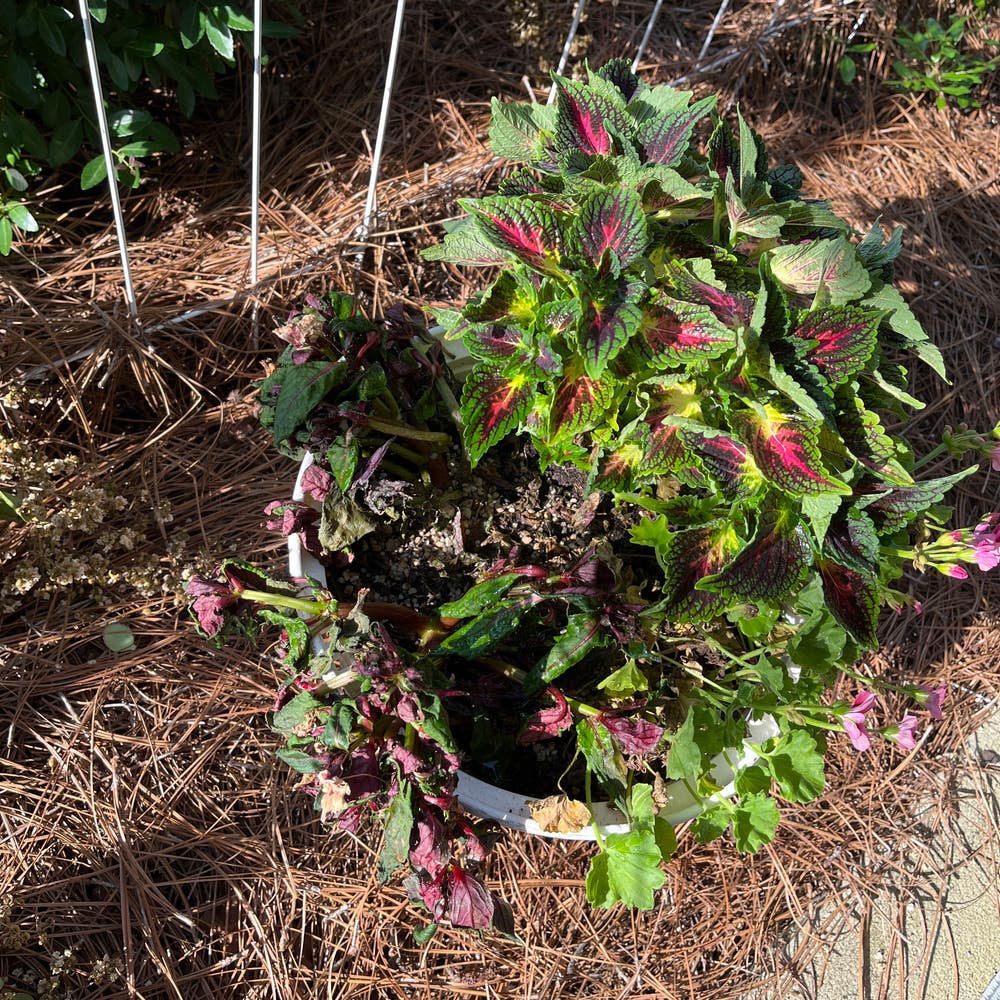
Best Soil for Himalayan Balsam
Impatiens glandulifera
By the Greg Editorial Team
Mar 26, 2024•3 min read
This article was created with the help of AI so we can cover more plants for you. May contain errors. See one? Report it here.
Nurture a lush Himalayan Balsam 🌿 by mastering the ultimate soil mix recipe!
- 🌱 Organic matter is crucial for Himalayan Balsam's growth.
- Well-draining mix needed: include sand and perlite.
- Test and adjust soil pH to ensure plant health.
Spotting and Fixing Unhappy Soil
🚨 Signs Your Soil is Throwing a Tantrum
Moldy mood: Spotting mold is like catching your soil in a bad act—it's a no-no. Look for visual cues like a colorful fuzz or slimy patches. These are your soil's way of waving a red flag, and they're not just for show; they're nutrient thieves.
Smell and squish: Trust your nose and fingers here. A musty smell or a texture that's too soggy? That's your soil telling you it's not okay. It's not just about bad vibes; it's about bad health for your Himalayan Balsam.
🆘 Soil SOS: First Aid for Failing Dirt
Drying out the drama: If your soil's got more water than a kiddie pool, it's time to adjust your watering habits. Let the soil dry out a bit between waterings, and only dive in with the watering can when the top inch feels like a dry summer day.
Clearing the air: Compacted soil is like a crowded elevator for roots—they need breathing room. Mix in some perlite or coarse sand to loosen things up. Ensure your pot has proper drainage holes to avoid creating a mini swamp for your plant.
Crafting the Ultimate Himalayan Balsam Bed
💡 The Recipe for Success: Ingredients for the Ideal Mix
Organic matter is non-negotiable for a thriving Himalayan Balsam. It's the lifeblood of your soil, offering structure, nutrients, and a cozy environment for roots. Think of it as the ultimate backstage pass for your plant's success.
Adding sand and perlite ensures your soil mix doesn't cling to water like a bad habit. It's about creating a drainage dream team that lets excess moisture escape, leaving just enough for your Himalayan Balsam to sip on.
🌡️ pH and Your Plant: Getting the Balance Right
Testing your soil's pH is like a reality check for your plant's home. Grab a test kit and dive in; you're looking for a score that hits the Himalayan Balsam's sweet spot.
To tweak pH levels, it's all about the long game. Add lime to nudge it higher, or go for sulfur to lower the score. It's a delicate dance, so add amendments gradually and keep testing until you're in the clear.
Choosing Champions: Picking the Best Commercial Soils
🏆 What to Look for on the Label
When you're in the trenches of the garden center, label literacy is your best defense. Himalayan Balsam, with its penchant for cool, moist environments, craves a soil that's rich in organic matter. Peek at the ingredients for compost or worm castings; these are like a five-star buffet for your plant's roots. Drainage is key, so sand and perlite should be making a cameo on that label. And if you're not a fan of chemistry, avoid mixes that read like a periodic table; simplicity is your ally here.
🌟 Top Picks for Pre-Mixed Bliss
Let's cut to the chase: you want names. For Himalayan Balsam, you can't go wrong with a mix that's been through the gauntlet and emerged victorious. Look for brands that gardeners whisper about in hushed, reverent tones—those that strike the delicate balance between aeration and moisture retention. While I won't drop brand names (because, let's face it, your local availability may vary), I'll tell you this: the best commercial soil feels like a firm handshake—it's substantial, but not suffocating. Keep your eyes peeled for those rave reviews from fellow plant enthusiasts, and remember, your plant's thriving is the truest testimonial.
⚠️ Safety First
This content is for general information and may contain errors, omissions, or outdated details. It is not medical, veterinary advice, or an endorsement of therapeutic claims.
Always consult a qualified healthcare professional before using any plant as food, medicine, or supplement.
Never eat any plant (or feed one to pets) without confirming its identity with at least two trusted sources.
If you suspect poisoning, call Poison Control (800) 222-1222, the Pet Poison Helpline (800) 213-6680, or your local emergency service immediately.
Spotted an error? Please report it here.
Watch your Himalayan Balsam flourish 🌿 with Greg's personalized care plans that consider your unique soil conditions for a thriving garden.