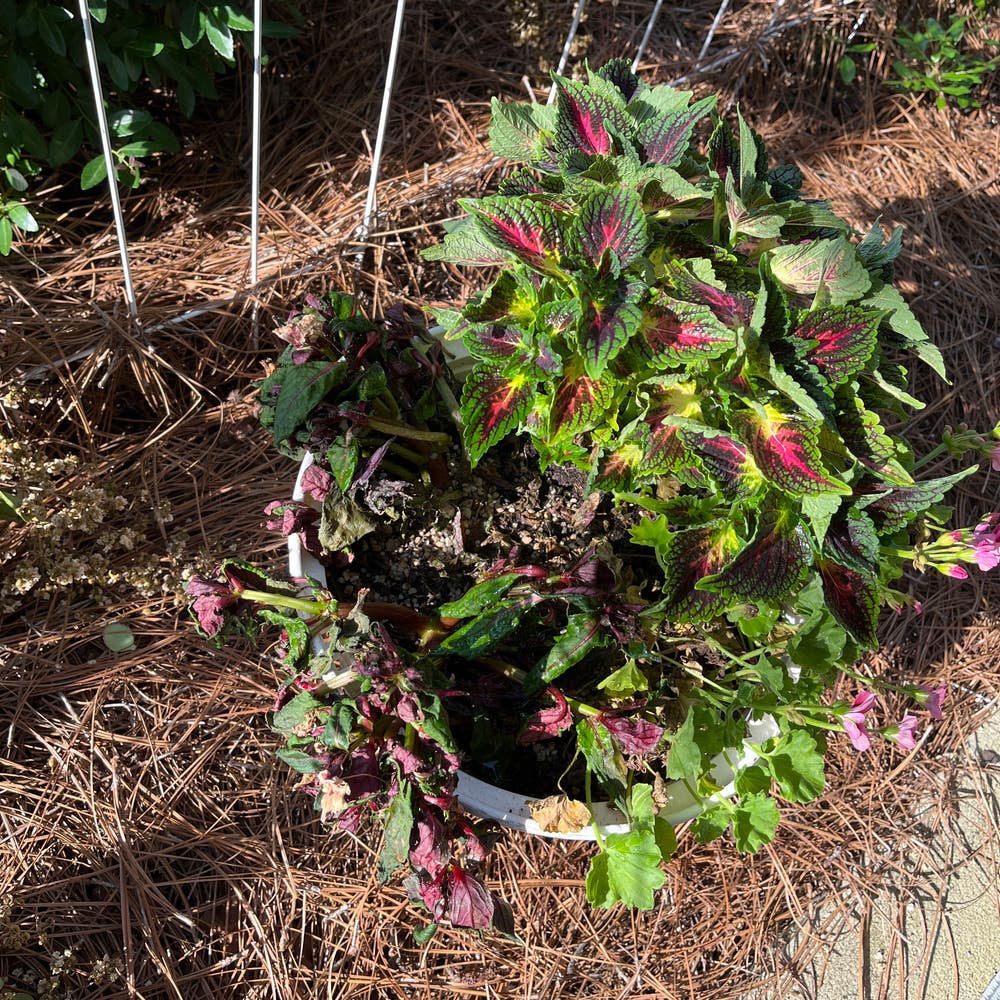
Why Are My Himalayan Balsam Leaves Falling Over?
Impatiens glandulifera
By the Greg Editorial Team
Mar 26, 2024•4 min read
This article was created with the help of AI so we can cover more plants for you. May contain errors. See one? Report it here.
Stop your Himalayan Balsam's slump 🍂 by uncovering the root causes of leaf droop and how to fix them!
- Wilting leaves signal distress in Himalayan Balsam; timing helps diagnose the issue.
- Watering balance is crucial: check soil moisture, adjust for seasons, and use well-draining soil.
- Stable environment and nutrients are key: ensure temperature control, air circulation, and proper fertilization.
Spotting the Signs: When Your Himalayan Balsam is Unhappy
🍂 Visual Cues: Recognizing Droopy Leaves
Wilting leaves are the Himalayan Balsam's white flag. If they hang lifelessly, like a deflated balloon, it's a clear distress signal. Discoloration or texture changes accompany the slump, hinting at underlying issues. Vigilance is key—don't miss these silent pleas for help.
🕰 Timing and Patterns: When Leaves Typically Start to Fall Over
The timing of leaf droop can be as telling as the symptom itself. Early morning limpness might resolve with daylight, but persistent droopiness signals a deeper issue. Observe patterns: Are lower leaves drooping first, or is it a top-down wilt? This can guide your troubleshooting efforts.
Water Woes: Striking the Right Balance
Navigating the hydration needs of your Himalayan Balsam can be as tricky as a tightrope walk. Overwatering can lead to a marshy mess, causing root rot and the dreaded leaf drop. Look out for yellowing leaves and a soil that's more swamp than solid.
⏳ Checking Soil Moisture
Before you even think about watering, do the one-inch test. If the topsoil feels damp, hold off on the H2O. Your plant isn't a fish; it doesn't need to swim.
🚱 Adjusting Your Watering Schedule
Underwatering isn't any less forgiving. Crispy leaf tips and a wilt that screams "I'm thirsty!" are clear signs you've been neglectful. The soil should never be as dry as a comedian's humor. When it's time to water, think of it as quenching a thirst, not causing a flood.
🗝 Consistency is Key
A regular watering routine is your plant's best friend. But don't be a robot about it; adapt to the changing needs of your Himalayan Balsam. If you're dealing with an overwatering epidemic, consider switching to a well-draining soil mix to avoid future aquatic disasters.
🌦 Seasonal Adjustments
Remember, plants have seasonal moods. They might need more frequent watering during the hotter months and less when it's cooler. Keep an eye on the weather and adjust your watering rhythm accordingly.
🚰 When to Water
If you're unsure, wait until the top inch of soil feels dry. It's better to underdo it than overdo it. After all, you can always add more water, but you can't take it back once it's there.
Battling the Elements: Environmental Factors
🌡️ Protecting from Temperature Extremes
Temperature stability is key for the well-being of Himalayan Balsam. Avoid placing your plant in locations where it might experience sudden temperature changes, such as near heating vents or drafty windows. Consistency is what you're aiming for; think steady temperatures that don't swing wildly from hot to cold.
💨 Wind and Air Circulation
Good air circulation is vital, yet it's a balancing act. Indoors, stagnant air could turn your plant's leaves into a fungal feast, so keep the air moving. A gentle fan can work wonders. Outdoors, windbreaks may be necessary to protect your Himalayan Balsam from strong gusts that could lead to leaf droop.
🏞️ Creating a Stable Environment
Craft a microclimate that mimics the Himalayan Balsam's natural habitat. This means moderate humidity and avoiding extremes. Use a humidifier or pebble tray indoors to maintain consistent moisture in the air. Outdoors, be mindful of the seasons and adjust protection as needed. Remember, your plant craves a stable environment, not a roller coaster of conditions.
Feeding Your Plant: Nutrient Know-How
💡 Spotting the Symptoms of Nutrient Deficiency
Yellow leaves or weak stems are red flags; they signal your Himalayan Balsam might be nutrient-starved. It's like your plant is holding a protest sign begging for a dietary change. A soil test is your secret weapon here, revealing what's missing in the soil's nutritional profile.
🍽️ The Essentials of Fertilization for Himalayan Balsam
Think of fertilization as a tailored meal plan for your plant. A balanced, water-soluble fertilizer should be applied monthly during the growing season. But when winter hits, it's time to pull back. Your plant is basically on a diet and doesn't need the extra calories.
🌱 Soil Amendments and the Importance of pH Balance
Soil pH isn't just a number; it's the gateway to your plant's health. Get it wrong, and it's like throwing a feast for a guest with a locked jaw—useless. Aim for a pH that's slightly acidic to neutral for optimal nutrient uptake. Organic options like compost enrich the soil and support a healthy microbiome, but they're a slow burn. On the flip side, synthetic fertilizers offer a quick fix but can lead to a nutrient crash if overused. Keep the balance, or your plant's health could spiral.
⚠️ Safety First
This content is for general information and may contain errors, omissions, or outdated details. It is not medical, veterinary advice, or an endorsement of therapeutic claims.
Always consult a qualified healthcare professional before using any plant as food, medicine, or supplement.
Never eat any plant (or feed one to pets) without confirming its identity with at least two trusted sources.
If you suspect poisoning, call Poison Control (800) 222-1222, the Pet Poison Helpline (800) 213-6680, or your local emergency service immediately.
Spotted an error? Please report it here.
Ensure your Himalayan Balsam thrives with consistent care 🌱 by letting Greg tailor your watering and fertilizing reminders to its unique needs.