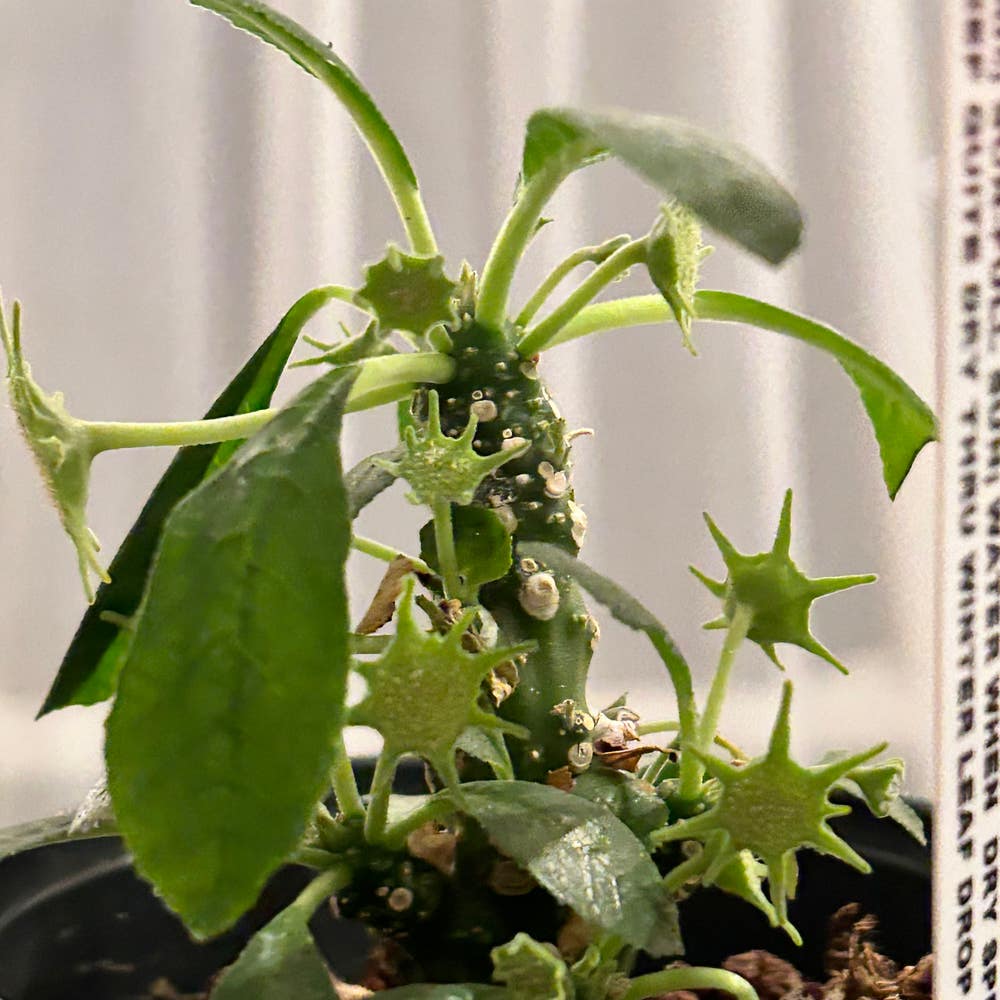
How Should Dorstenia foetida subsp. foetida Be Cut Back?
Dorstenia foetida subsp. foetida
By the Greg Editorial Team
Jun 13, 2024•4 min read
This article was created with the help of AI so we can cover more plants for you. May contain errors. See one? Report it here.
- 🌱 Prune in spring/early summer for vigorous growth.
- ✂️ Sharp, sterilized tools ensure clean cuts and disease prevention.
- 🌿 Propagate from trimmings for new plants and fuller appearance.
When to Wield the Shears
🌱 Best Season for Pruning
Spring and early summer are the prime times for pruning Dorstenia foetida subsp. foetida. This period aligns with the plant's active growth phase, setting it up for a season of vigorous development. Pruning during dormancy? That's a no-no; it's like interrupting a bear's hibernation.
🚦 Signs It's Time to Prune
Visual cues are your best bet for knowing when to prune. If you spot new growth, it's like your plant is nodding approval for a trim. Leggy stems or a general lack of pep are your plant's way of screaming for those shears. Discoloration and limpness? They're distress signals that are hard to miss.
Tools of the Trade and Pruning Prep
🛠️ Choosing Your Pruning Tools
Sharpness is non-negotiable when it comes to selecting pruning tools for Dorstenia foetida. Reach for precision pruners or micro snips, akin to the scalpels of the plant world, to ensure clean, swift cuts that promote quick healing. Ergonomic handles are a bonus, saving your hands from unnecessary strain during your meticulous work.
🧼 Keeping It Clean
Before you even glance at your plant with a trim in mind, sterilize your tools. A swipe with rubbing alcohol or a bleach solution is your first line of defense against microbial invaders. It's a simple step with profound impact, much like the importance of washing hands before a meal. Post-pruning, repeat the sterilization process; think of it as the cool-down after a workout for your shears. Keep them dry and store them properly to maintain their edge and prevent rust. Remember, clean tools are happy tools, and happy tools make for a thriving Dorstenia foetida.
The Art of Pruning Dorstenia foetida
✂️ Trimming the Caudex
Caudex care is crucial when pruning Dorstenia foetida. Approach with precision, aiming to remove only the dead or damaged parts. This plant's caudex, a thickened trunk, can develop peeling bark as it matures. Use a sharp, sterilized knife to make clean cuts, which helps prevent disease and promotes quicker healing.
🌿 Shaping the Aerial Parts
The aerial parts of Dorstenia foetida require a strategic approach to encourage bushiness and maintain an attractive form. Trim back overgrown stems and leaves, focusing on cuts just above leaf nodes where new growth will emerge. Regular pruning not only shapes the plant but also invigorates it, leading to a fuller appearance. Remember, each cut is a signal for the plant to grow more vigorously.
Propagation by Pruning
🌱 Turning Trimmings into New Plants
Pruning isn't just a haircut for your Dorstenia foetida; it's the start of your own plant nursery. Here's how to turn those clippings into independent plants:
- Snip a stem from the mother plant, ensuring it has a few leaves. Make it a clean break.
- Let the cut end callous over for a couple of days to ward off rot.
- Bury the stem about two inches deep in well-draining soil.
- Water the cutting sparingly at first. Once roots take hold, shift to your regular watering routine.
🛠️ Ensuring Propagation Success
To turn your trimmings into triumphs, remember these rooting musts:
- Healthy cuttings are key. Choose disease-free snippets with a zest for life.
- Sterilize your tools before cutting. It's like surgery for plants; cleanliness is non-negotiable.
- Patience is a virtue. Roots are shy; they need time to peek out.
- Consider using a rooting hormone. It's like a pep talk for your cuttings, encouraging them to sprout roots.
- Keep the environment warm and humid. Think of it as a spa day for your plant babies, coaxing them to grow.
Remember, propagation is a mix of skill and luck. But with sharp shears and even sharper wits, you'll soon have a whole squad of Dorstenia foetida offspring.
⚠️ Safety First
This content is for general information and may contain errors, omissions, or outdated details. It is not medical, veterinary advice, or an endorsement of therapeutic claims.
Always consult a qualified healthcare professional before using any plant as food, medicine, or supplement.
Never eat any plant (or feed one to pets) without confirming its identity with at least two trusted sources.
If you suspect poisoning, call Poison Control (800) 222-1222, the Pet Poison Helpline (800) 213-6680, or your local emergency service immediately.
Spotted an error? Please report it here.
Prune your Dorstenia foetida to lush perfection 🌿 with Greg's tailored care reminders, ensuring your plant thrives with every precise cut.