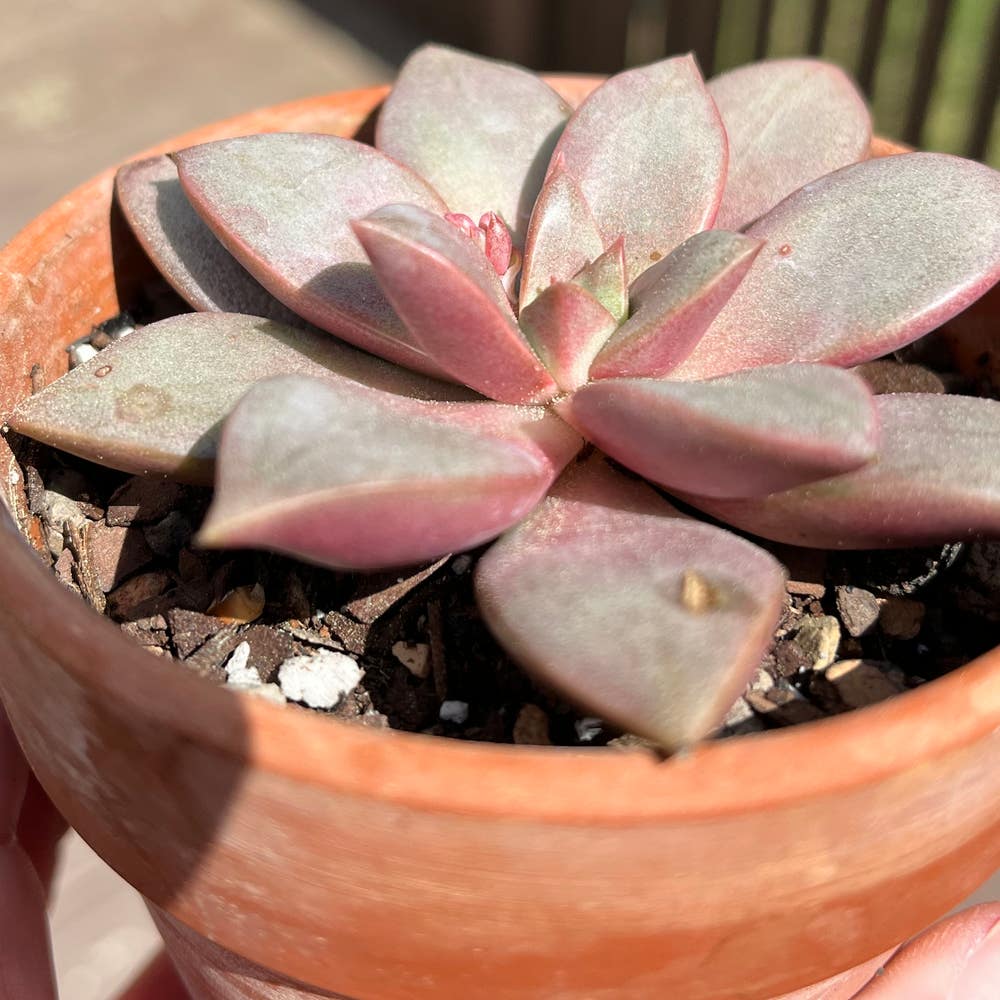
Crested Cubic Frost Echeveria - Fertilizing 101
Echeveria f. cristata 'Cubic Frost'
By the Greg Editorial Team
Jun 16, 2024•4 min read
This article was created with the help of AI so we can cover more plants for you. May contain errors. See one? Report it here.
Boost your Echeveria's growth 🌱 with the perfect fertilizer mix, avoiding the common pitfalls of overfeeding! 🚫
- Low-nitrogen fertilizer is best for Crested Cubic Frost Echeveria.
- Fertilize monthly in spring, but not during dormancy.
- Dilute and apply to soil to prevent nutrient burn.
Picking the Perfect Fertilizer
💚 Low-nitrogen love: Why Crested Cubic Frost Echeveria thrives on specific nutrients
Crested Cubic Frost Echeveria has a low appetite for nitrogen. This isn't your typical leafy green; it's a succulent that craves a balanced diet. A fertilizer with a lower nitrogen content encourages strong roots and vibrant blooms, not just leafy growth. Think of it as a tailored suit—it just fits better. A ratio along the lines of 5-10-10 keeps your Echeveria looking sharp without the excess baggage.
🌱 Organic vs. Synthetic: Tailoring your choice to your Echeveria's lifestyle
When choosing between organic and synthetic fertilizers, consider it a lifestyle choice for your plant. Organic options are the slow-release multi-vitamins of the plant world, providing a steady stream of nutrients. They're eco-friendly and mimic natural soil processes, but they're a bit like a mystery box—nutrient levels can vary. Synthetic fertilizers, meanwhile, are the fast food of the garden; they're quick and precise but can easily become too much of a good thing. Half-strength solutions are recommended to avoid the dreaded nutrient burn. It's all about finding that sweet spot where your Echeveria gets just what it needs to thrive without the risk of overindulgence.
Timing is Everything: Fertilizing Schedule
🌱 Spring into Action: Best Practices for Fertilizing During the Growing Season
Spring is your Crested Cubic Frost Echeveria's wake-up call. As the days lengthen, your plant shakes off its winter slumber, eager for nutrients. Start your fertilizing routine as the first leaves unfurl, typically around March. This initial boost is crucial, setting the stage for robust growth.
During the active growing season, a monthly fertilizing schedule is your ticket to a flourishing Echeveria. Stick to it from March through August, aligning with your plant's natural rhythm. It's like hitting the refresh button on your plant's health every 30 days.
❄️ Winter Wisdom: Adjusting Your Approach During the Echeveria's Dormancy
Come winter, your Echeveria is more about Netflix and chill than growth and thrill. Dial back the fertilizing frenzy. This is a time for rest, not feasting. Continuing to fertilize during dormancy is like offering an espresso at bedtime—unnecessary and potentially disruptive.
If you're itching to do something for your plant, just let it be. Embrace the break in the fertilizing schedule as a chance for both you and your Echeveria to recharge. When the growing season returns, you'll both be ready to spring into action once more.
The Art of Application
🌱 Mixing it Right: Understanding Dilution Ratios
Dilution is key when mixing fertilizer for your Crested Cubic Frost Echeveria. Think of the recommended ratio on the fertilizer bottle as a suggestion, not a commandment. Half-strength is your mantra here; mix your chosen fertilizer with water at a 50% reduced rate. This isn't just being cautious—it's about avoiding the nutrient burn that can leave your succulent looking more sorry than splendid.
🌿 Soil First, Then Feed: The Method to Applying Fertilizer
When it's time to apply, remember: soil first, then feed. Directly pouring fertilizer on the plant is a no-go. Instead, apply it to the soil to let the roots do their job—absorb nutrients without damage to the leaves or stem. If your pot's packed tight, consider bottom watering by placing the pot in a container of diluted fertilizer. This allows the soil to soak up the goodness without overwhelming your plant. Remember, overfeeding is like giving your plant a nutrient-induced bellyache—less is definitely more.
Preventing and Addressing Over-Fertilization
🚨 Spotting Trouble: Recognizing the Tell-Tale Signs
Yellow or brown leaves on your Crested Cubic Frost Echeveria? That's the plant's SOS. Burnt tips and leaf margins are crying out from over-fertilization. Notice a crusty layer on the soil? That's a no-go zone for nutrients. If your plant's roots look dark and soggy, or if leaves wilt with wet soil, it's time to take action. These symptoms can appear almost immediately after feeding, so stay alert post-fertilization.
🔄 Back on Track: How to Help Your Echeveria Recover
First thing's first: stop fertilizing. Your plant's had enough. Begin the recovery by flushing the soil with water to wash away excess nutrients. Let it flow freely from the drainage holes, and repeat a few times for good measure. Always ensure good drainage to avoid waterlogging. If you've gone overboard with the feed, consider repotting with fresh, nutrient-free soil. And remember, patience is key—give your Echeveria time to bounce back before reintroducing fertilizer.
⚠️ Safety First
This content is for general information and may contain errors, omissions, or outdated details. It is not medical, veterinary advice, or an endorsement of therapeutic claims.
Always consult a qualified healthcare professional before using any plant as food, medicine, or supplement.
Never eat any plant (or feed one to pets) without confirming its identity with at least two trusted sources.
If you suspect poisoning, call Poison Control (800) 222-1222, the Pet Poison Helpline (800) 213-6680, or your local emergency service immediately.
Spotted an error? Please report it here.
Ensure your Crested Cubic Frost Echeveria thrives with just-right 🌱 fertilizer doses, guided by Greg's personalized reminders tailored to your plant's growth cycle.