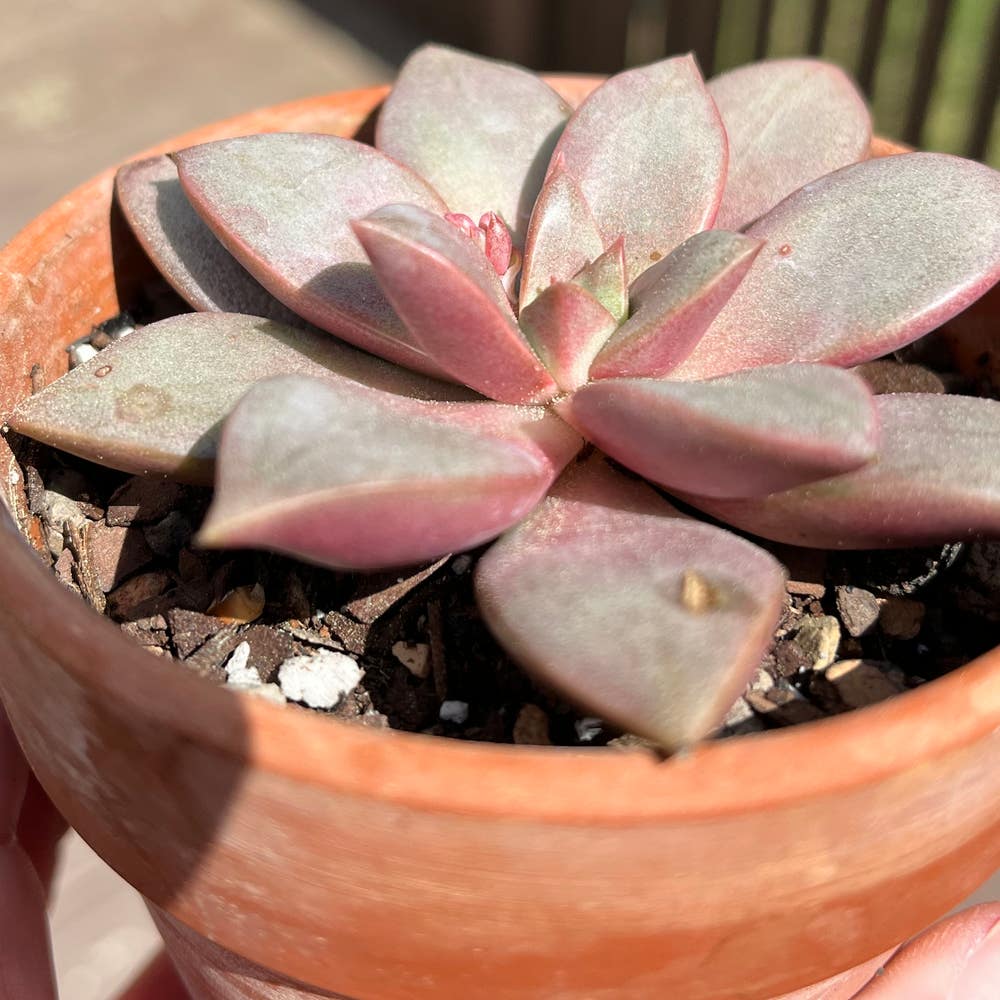
What Are The Bugs on My Crested Cubic Frost Echeveria? 🐛
Echeveria f. cristata 'Cubic Frost'
By the Greg Editorial Team
Jun 16, 2024•3 min read
This article was created with the help of AI so we can cover more plants for you. May contain errors. See one? Report it here.
Safeguard your rare Echeveria 🌵 from bug battles with these proven pest-fighting strategies! 🛡️
- 🕷️ Spider mites and scale are common pests; control with neem oil and alcohol swabs.
- Fungus gnats, fruit flies, mealybugs: Manage with dry soil, sticky traps, and BTI.
- Regular inspections and careful watering prevent infestations and protect your Echeveria.
Introduction
The Crested Cubic Frost Echeveria is a succulent that commands attention. Its rarity and unique fan-like rosettes make it a prized possession for collectors. Yet, even this stunning plant isn't immune to the common bug battles that threaten its splendor. Let's dive into the buggy underworld that plagues this beauty and arm ourselves with the knowledge to protect it.
Meet the Culprits: Common Pests on Crested Cubic Frost Echeveria
🕷️ Spider Mites: The Sneaky Sap-Suckers
Spotting the signs
Tiny webbing on your Echeveria is a dead giveaway; spider mites are throwing a house party. Leaves may look dull and speckled, a sign these tiny vampires are draining the life out of them.
Fight back
Blast them with a water spray to disrupt their rave. For a stubborn infestation, organic neem oil can be your eco-friendly bouncer.
Keep them out
Quarantine new plants and use a fan to keep air moving. Spider mites hate a breezy environment.
🦠 Scale: The Sticky Freeloaders
Unmasking scale
Look for bumps on stems and leaves that feel like they're part of the plant. A sticky residue is their calling card.
Elimination tactics
Rub them off with an alcohol-soaked cotton swab. For a full-blown infestation, bring in the big guns: horticultural oil.
Fortify your plant
Inspect regularly and clean with a neem oil solution to keep scale in check.
🦟 Fungus Gnats and Fruit Flies: The Fuzzy Flyers
Detecting the buzz
If you see tiny black flies, it's time to act. They love moist soil, so overwatering is like rolling out the red carpet for them.
Clear the air
Let the soil dry out and set up sticky traps. Introduce BTI to target larvae without harming your plant.
No-fly zone
Monitor your watering and add a layer of sand to soil to discourage egg-laying.
🐛 Mealybugs: The White Cotton Clingers
The white giveaway
Cottony masses in the nooks of your plant? You've got mealybugs. They're the undercover agents in the pest world.
Mealybug meltdown
Pick them off or dab with alcohol. For a larger problem, spray with insecticidal soap or neem oil.
Mealybug moats
Isolate new additions to your plant family. Regular checks are your best defense against these fluffy foes.
Other Uninvited Guests
Quick profiles
Aphids are the clingy critters of the plant world, especially fond of new growth. Thrips are less common but can wreak havoc if left unchecked.
Tailored tactics
Aphids detest a strong water jet, while yellow sticky traps can catch thrips. Regular plant inspections are crucial.
Conclusion
In the trenches of plant care, your Crested Cubic Frost Echeveria's well-being hinges on your vigilance. Each pest you encounter is a lesson in defense, sharpening your skills for the next encounter.
🐛 Wrapping up the Bug Battle
Your arsenal against pests is now stocked with knowledge and tactics. From the sneaky spider mites to the fuzzy flyers and the sticky scale, you've got the strategies to counterattack.
👀 Stay Observant and Proactive
Make plant checks as routine as your morning coffee. Spotting an issue early can mean the difference between a quick fix and a drawn-out siege. Remember, your Echeveria isn't just surviving; with your care, it's thriving.
⚔️ A Call to Arms for Plant Lovers
Embrace your role as the guardian of your green companion. With the tools and insights you've gained, you're not just growing a plant; you're cultivating resilience. Keep your spirits high and your eyes sharper – your Crested Cubic Frost Echeveria is counting on you.
⚠️ Safety First
This content is for general information and may contain errors, omissions, or outdated details. It is not medical, veterinary advice, or an endorsement of therapeutic claims.
Always consult a qualified healthcare professional before using any plant as food, medicine, or supplement.
Never eat any plant (or feed one to pets) without confirming its identity with at least two trusted sources.
If you suspect poisoning, call Poison Control (800) 222-1222, the Pet Poison Helpline (800) 213-6680, or your local emergency service immediately.
Spotted an error? Please report it here.
Keep your rare Crested Cubic Frost Echeveria pest-free 🐛 with Greg's personalized care reminders and proactive pest management tips.