🗑️ How to Get Rid of Chufa
Cyperus eragrostis
By the Greg Editorial Team
Nov 08, 2024•7 min read
This article was created with the help of AI so we can cover more plants for you. May contain errors. See one? Report it here.
- 🌱 Chufa is an invasive weed that disrupts ecosystems and threatens biodiversity.
- 🔍 Identify Chufa by its long leaves and umbrella-like flowers to manage it effectively.
- ⚠️ Control methods include manual removal and chemical treatments for effective management.
Plant Classification
Definition of Weeds and Invasive Species 🌱
Weeds are plants that grow where they aren't wanted, often competing with cultivated plants for resources. Invasive species, on the other hand, are non-native plants that spread rapidly, causing harm to ecosystems, economies, or even human health.
Criteria for Classifying Chufa as a Weed 🌾
Chufa meets several criteria that classify it as a weed. Its rapid spread allows it to quickly colonize new areas, outcompeting native plants and dominating resources.
Chufa's aggressive growth habits further enhance its competitive nature. This invasive plant disrupts local ecosystems and threatens biodiversity, making it a significant concern for land management.
Characteristics of Invasive Plants 🌍
Invasive plants like Chufa typically exhibit high reproductive rates. They can produce large quantities of seeds and tubers, ensuring their proliferation.
Additionally, Chufa demonstrates remarkable adaptability. It thrives in various environmental conditions, including disturbed soils, making it a formidable opponent in the fight against native flora.
Understanding these classifications and characteristics is crucial for effective management strategies. As we delve deeper into Chufa's identification and growth habits, we can better appreciate the challenges it presents.
Identification
Key Identifying Features 🌿
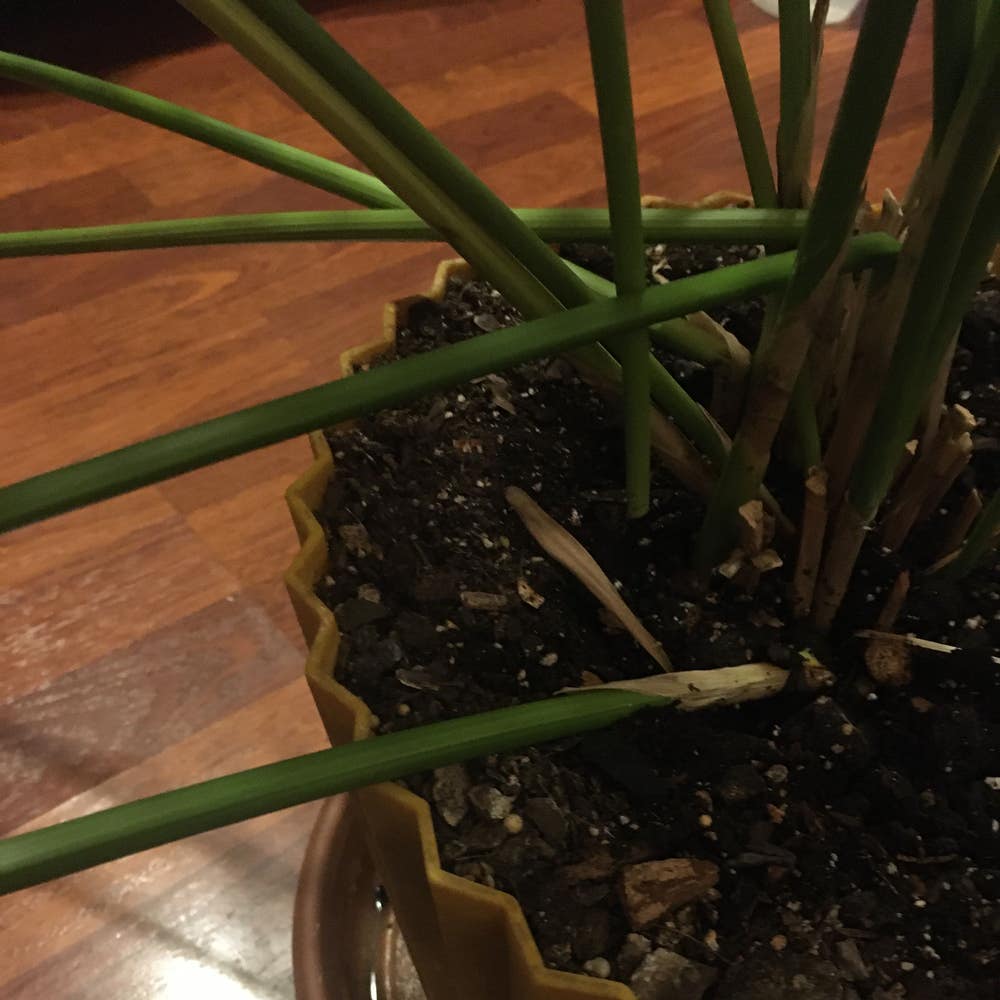
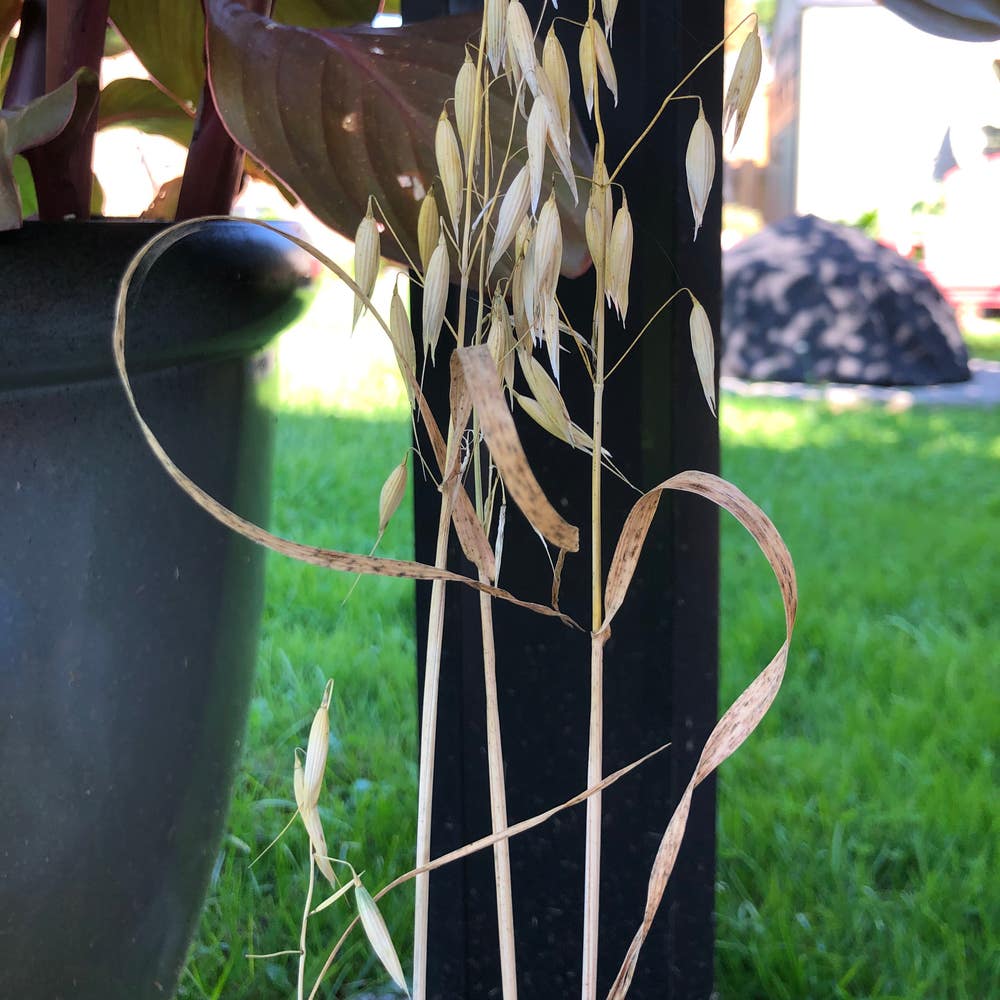
Identifying Chufa is crucial for effective management. Start with its leaf structure: Chufa has long, narrow leaves that emerge from a triangular stem, giving it a distinctive appearance.
Next, observe the flowering phase. Chufa produces small, umbrella-like clusters of flowers that can be easily overlooked but are essential for identification.
Finally, look for tubers. These edible, nut-like tubers grow underground and are a key characteristic of Chufa, making it both a potential food source and a challenge for control.
Comparison with Look-Alike Plants 👀
Chufa can be confused with similar species, particularly yellow nutsedge. However, there are distinguishing features to help you differentiate them.
- Leaf Shape: While both have long leaves, yellow nutsedge tends to have a more rounded stem.
- Flower Structure: The flowers of yellow nutsedge are more pronounced and less clustered than those of Chufa.
- Growth Habit: Yellow nutsedge often grows in wetter conditions, whereas Chufa is more adaptable.
Understanding these differences is vital for effective identification and management of Chufa in your area.
With a solid grasp of how to identify Chufa, you can move on to understanding its growth habits and spread, which is essential for controlling this invasive species.
Growth Habits and Spread
Typical Growth Patterns 🌱
Chufa can grow impressively tall, reaching heights of up to 3 feet. It thrives in disturbed areas, wetlands, and agricultural fields, making it a common sight in environments where the soil has been disrupted.
Reproductive Strategies and Methods of Spread 🌾
This invasive plant is a prolific producer, capable of generating thousands of seeds from a single plant. Additionally, Chufa reproduces vegetatively through underground tubers, allowing it to establish itself rapidly in new areas.
Environmental Conditions Favoring Proliferation ☀️
Chufa is remarkably adaptable, thriving in various soil types, including sandy and clay soils. While it prefers moist environments, it can withstand drought conditions, further enhancing its ability to spread and dominate landscapes.
Understanding these growth habits and reproductive strategies is crucial for effective management. By recognizing how Chufa proliferates, we can better strategize control measures to protect native ecosystems.
Ecological Impact
🌱 Effects on Native Plant Communities
Chufa poses a significant threat to native plant communities by aggressively competing for essential resources. This competition can lead to reduced biodiversity, as native species struggle to survive in the face of Chufa's rapid growth.
🏞️ Habitat Alteration
Beyond competition, Chufa alters the structure and composition of local ecosystems. Its presence can change the dynamics of plant communities, often favoring its own growth at the expense of native flora.
🦉 Impact on Wildlife and Biodiversity
The displacement of native species is another critical concern. As Chufa spreads, it reduces habitat availability for local fauna, which rely on native plants for food and shelter.
🍽️ Food Source Considerations
While Chufa's tubers are edible, they do not provide the same ecological benefits as native plants. This lack of nutritional equivalence can disrupt food webs, impacting species that depend on native vegetation.
🌍 Influence on Soil and Water Resources
Chufa's invasive nature also affects soil health. It alters soil composition and nutrient availability, which can hinder the growth of native plants.
💧 Water Usage
Moreover, Chufa may influence local hydrology by changing how water is retained in ecosystems. This alteration can lead to shifts in moisture levels, further complicating the survival of native species.
Understanding these ecological impacts is crucial for effective management and control of Chufa. By recognizing its threats, we can take proactive steps to protect our native ecosystems and maintain biodiversity.
Control and Management
👐 Manual Removal Techniques
Hand-pulling Chufa is an effective method, especially when the soil is moist. This ensures you can remove the entire root system, which is crucial for preventing regrowth.
For deeper tuber extraction, tools like shovels or trowels are recommended. These can help you reach the underground tubers that might otherwise be left behind.
💊 Chemical Control Options
Herbicides can be a powerful ally in managing Chufa populations. Look for products specifically designed to target invasive plants, and follow the application instructions carefully for the best results.
Timing is key when using herbicides. Applying them during the early growth stages of Chufa maximizes their effectiveness and minimizes the impact on surrounding vegetation.
🦠 Biological Control Methods
Exploring biological control methods can offer sustainable solutions. Potential natural predators or competitors might help keep Chufa in check without harming the ecosystem.
Researching local fauna that could naturally suppress Chufa growth is a proactive step. This approach can lead to a balanced ecosystem where native plants thrive.
🚫 Preventive Measures
Implementing cultural practices is essential for long-term management. Crop rotation and maintaining healthy native plant communities can significantly reduce Chufa's chances of establishing itself.
Regular monitoring is also crucial. Conducting inspections can help catch early infestations before they become unmanageable.
🔍 Importance of Early Detection and Rapid Response
Early detection of Chufa is vital for effective management. Familiarize yourself with its identifying features to spot it quickly in your garden or field.
Once identified, respond swiftly to prevent establishment. Quick action can save you time and effort in the long run, ensuring your landscape remains healthy and vibrant.
By combining these control methods and preventive measures, you can effectively manage Chufa and protect your local ecosystem. Next, we will explore the legal status surrounding the management of invasive species like Chufa.
Legal Status
Laws and Regulations 🌍
Managing invasive species like Chufa is often governed by local and state regulations. These laws aim to protect native ecosystems and promote biodiversity, making it crucial for landowners to stay informed about their responsibilities.
Requirements for Removal or Control 📝
Landowners and managers must adhere to specific guidelines for the removal or control of Chufa. This includes following best practices for eradication and reporting any infestations to local authorities.
Implications of Non-Compliance ⚖️
Failing to manage Chufa can lead to serious consequences. Non-compliance may result in fines or other penalties, emphasizing the importance of proactive measures in controlling this invasive plant.
Understanding the legal landscape surrounding Chufa is essential for effective management. With the right knowledge and actions, we can protect our ecosystems and promote healthier environments.
Potential Benefits
🏺 Historical Uses
Chufa, also known as tiger nuts, has a rich history as a food source in various cultures. Ancient Egyptians valued these tubers for their nutritional benefits, often consuming them raw or ground into flour.
🍹 Current Beneficial Uses
Today, Chufa is gaining popularity in modern agriculture and culinary circles. Its tubers are used to make nutritious beverages, such as horchata, and are celebrated for their high fiber and healthy fat content.
⚠️ Discussion on Negative Impacts
Despite its culinary appeal, Chufa's invasive nature poses significant ecological challenges. Its rapid spread can disrupt local ecosystems, outcompeting native plants and altering habitats, which underscores the importance of managing its growth effectively.
Understanding both the benefits and drawbacks of Chufa can help us appreciate its role in our ecosystems while taking necessary steps to control its spread.
⚠️ Safety First
This content is for general information and may contain errors, omissions, or outdated details. It is not medical, veterinary advice, or an endorsement of therapeutic claims.
Always consult a qualified healthcare professional before using any plant as food, medicine, or supplement.
Never eat any plant (or feed one to pets) without confirming its identity with at least two trusted sources.
If you suspect poisoning, call Poison Control (800) 222-1222, the Pet Poison Helpline (800) 213-6680, or your local emergency service immediately.
Spotted an error? Please report it here.
Protect your garden's biodiversity 🌱 by using Greg's plant identification and care tips to effectively manage invasive species like Chufa!