


Tall Flatsedge
About Tall Flatsedge
Tall Flatsedge is a relatively rare houseplant 🌿 that needs regular watering to thrive. They do best in abundant sunlight ☀ and should be less than 3 feet from a window.
Tall Flatsedge likes soil that is good at retaining moisture. You may want to supplement with a gentle, organic fertilizer throughout the peak growing season.
Taxonomy

Cyperus eragrostis
Cyperus
Cyperaceae
Poales
Also known as
Nutgrass, Tall nutgrass, Umbrella sedge, Chufa, Earth almond, Zula nuts, Edible galingale and Pale galingale

How to care for Tall Flatsedge
How often to water your Tall Flatsedge

every 9
Tall Flatsedge needs 0.5 cups of water every 9 when it doesn’t get direct sunlight and is potted in a 5" pot.
Use our water calculator to personalize watering recommendations to your environment or download Greg for more advanced recommendations for all of your plants.

Water 0.5 cups every
9
Finding light for Tall Flatsedge in your home

a window
Tall Flatsedge may have difficulty thriving, and will drop leaves 🍃, without ample sunlight.
Place it less than 3 feet from a south-facing window to maximize the potential for growth.
Select your region to see how the current weather in your area affects the placement of Tall Flatsedge in your home 🏡.
How to fertilize Tall Flatsedge

Most potting soils come with ample nutrients which plants use to produce new growth.
By the time your plant has depleted the nutrients in its soil it’s likely grown enough to need a larger pot anyway.
To replenish this plant's nutrients, repot your Tall Flatsedge after it doubles in size or once a year—whichever comes first.
-
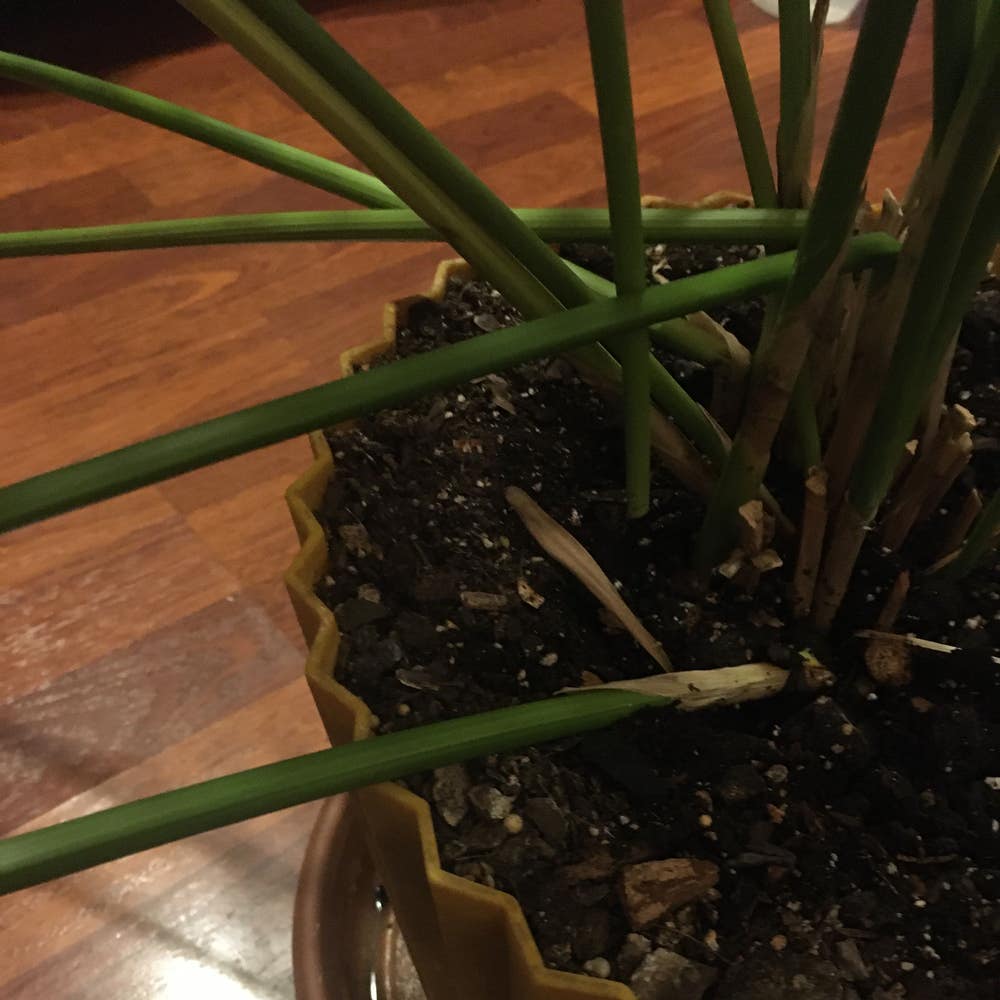
What is this? It's growing in a pot sitting on the patio of my apartment building. Greg has IDd it as several different plants. So, am not sure which is right.
-
Papyrus as a houseplant? My family got me this planter for Mother's Day, and this grass stuff is super cool. The Googles tell me it is Cyperus Papyrus and that it can be kept as a house plant. I'd like to do that once the flowers start to die off at the end of the growing season. Has anyone done this? Do you have any tips or tricks for me? #IndianMattingPlant #Papyrus
-
Can I fertilize cat grass if I want my kitty to have a bite?
-
My plant has some dead leafs and be spots so I am watering it more but should I remove the dead leafs and stems? Also should I cut off the stems that are bent? Also how much water does it need (sorry about all the questions)
-
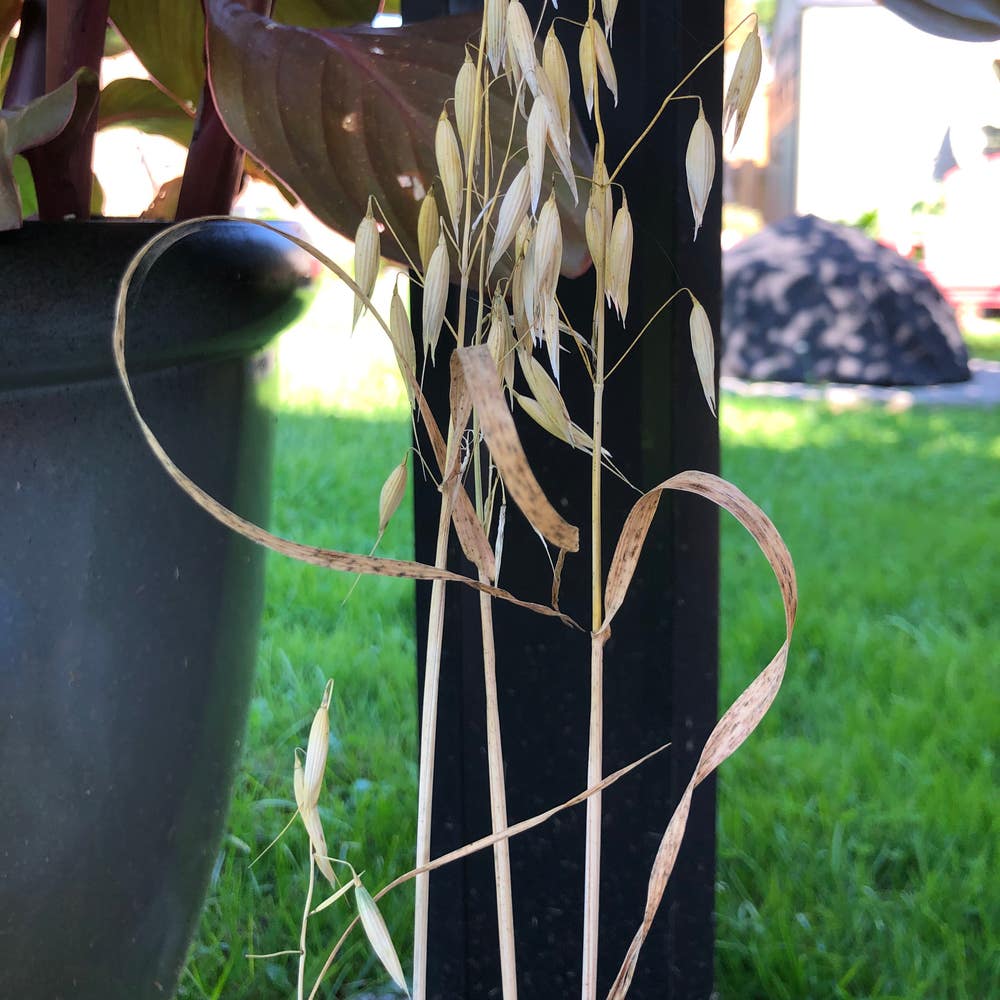
Harvesting & growing cat grass seeds I actually thought this cat grass was dying a couple months back so I put it outside and forgot about it. When I eventually checked on it I discovered not only was it still alive, but it was also producing seed pods. When I try google I mostly get results about planting purchased seeds and can’t find much about harvesting&planting seeds from your own plants. Are these seeds ready for harvest and will they grow into more cat grass if planted? If so, how would I prepare them for planting?
-
Cat grass outside I have my cat grass seed planted outside, is it ok? I know it’s not supposed to get direct sun, so I have a white tshirt covering the pot. I would bring it inside, but the pot I have it in is screwed into my deck, and I forgot about that part until it was too late. Any help?
-
Here’s my umbrella papyrus “Captain Weed”

Care Summary for Tall Flatsedge

Tall Flatsedge
 Greg recommends:
 Water
Water
0.5 cups every 9 days
 Placement
< 3ft from a window
 Nutrients
Repot after 2x growth
Based on the 4” pot your plant is in, and that it doesn’t get direct sunlight.
 Trending in your area










 Similar to Tall Flatsedge
✨ Discover rare plants

Haworthia emelyae com…
Philodendron 'Gabby'
Stanhopea tigrina

Anastasia Weeping Fig

Echeveria 'Joan Danie…

Hoya 'Millie'

Pine Cone Plant

Anthurium Fingers
Skeleton Key Pothos

Stomatium acutifolium

Maroon Pitcher Plant

Euphorbia baioensis

Echeveria Arrow
Carolina Reaper

Tillandsia caerulea A…

Graptoveria 'Douglas …

Aloe 'Lavender Star'
