Light Requirements For Your Umbrella Sedge
Cyperus eragrostis
By the Greg Editorial Team
Mar 12, 2024•4 min read
This article was created with the help of AI so we can cover more plants for you. May contain errors. See one? Report it here.
- 🌅 Morning sun, afternoon shade keeps Umbrella Sedge thriving.
- 🏡 East-facing windows or gardens are ideal for gentle light.
- 🌼 Proper light balance is key for rare indoor Sedge blooms.
Basking in the Right Rays: Outdoor Light Love for Umbrella Sedge
🌞 Finding the Sweet Spot
Umbrella Sedge thrives in bright light. It needs a daily dose of sun, but not all day; think morning sun and afternoon shade. Seasonal changes mean adjusting your approach; more direct sun in the short days of winter, and a bit more shade during the intense summer.
Location, Location, Location
The best outdoor spots marry morning sunlight with afternoon protection. East-facing gardens are gold. Watch for seasonal shifts—the perfect spring spot might be a summer scorch zone.
When the Sun is Too Much
Leaf scorch is real. If your Sedge's leaves look like they've had a rough day at the beach, it's time to dial back the sun. Use natural shade from trees or artificial structures like pergolas to filter those harsh rays. Stay vigilant; move your plant if it starts to look crispy.
Indoor Light Hacks for a Happy Sedge
🌅 Window Wisdom
Finding the perfect spot for your Umbrella Sedge indoors hinges on the delicate balance between sufficient light and protection from harsh rays. East-facing windows grant a gentle morning glow, ideal for the Sedge's start to the day. As seasons shift, so should your plant's position to avoid the intense midday sun, especially in summer. Employing a sheer curtain can diffuse strong sunlight, safeguarding your Sedge from potential leaf burn.
💡 Grow Lights: A Bright Idea?
When natural light is lacking, grow lights are a savior for your Umbrella Sedge. These artificial sunbeams provide the necessary spectrum of light, especially during the darker winter months. LED panels or spotlights are efficient choices, offering targeted illumination without the heat stress of traditional bulbs. If your Sedge's green begins to pale, it's a clear signal to switch on the grow lights.
🌞 Keeping the Rhythm
Consistency is key for indoor Umbrella Sedge care. Mimic the sun's natural cycle by providing 12-16 hours of light daily, followed by a restful period of darkness. This rhythm supports the Sedge's internal clock, promoting healthy growth and preventing stress. Monitor your plant's response to the lighting setup, adjusting as needed to maintain its vibrant, lush appearance. Remember, light is as much about timing as it is about intensity.
Does Light Lead to Umbrella Sedge Blooms?
💡 To Flower or Not to Flower?
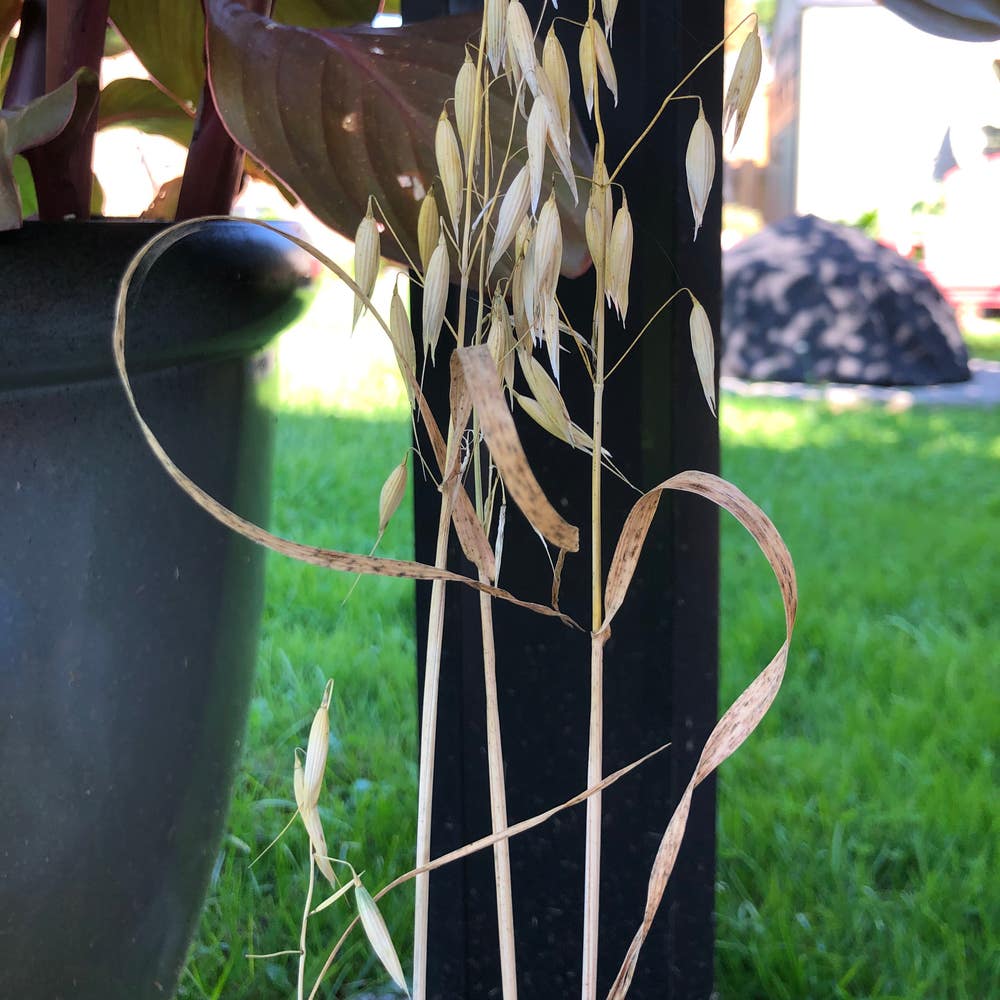
Umbrella Sedge, known for its spoke-like bracts, flowers from May to November. While it's a grassy eye-catcher, don't hold your breath for blooms indoors; they're a rare treat. Outdoors, with dappled sunlight mimicking its natural habitat, your chances improve.
💡 Light's Role in Sedge Showtime
Light duration and intensity are key players in the blooming game. Like a DJ's soundboard, they need to be just right. Too little light, and your Sedge won't hit its floral notes. Too much, and you risk a leaf scorch instead of a bloom fest. Keep it in a spot with filtered sunlight, and you might just witness the Sedge's elusive flower show.
Troubleshooting Tips: When Light Levels Aren't Just Right
🌿 Signs Your Sedge is Light-Starved
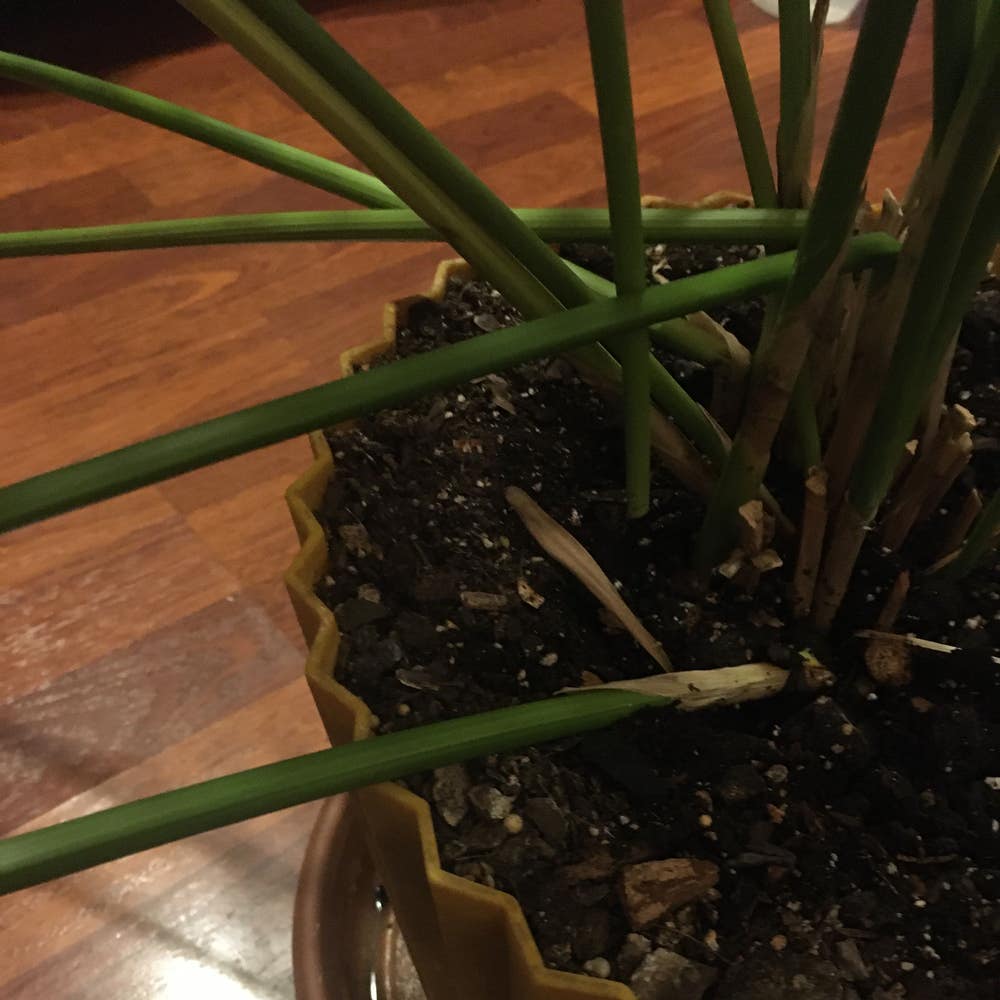
Leggy stems and sparse leaves are the SOS signals of your Umbrella Sedge craving more light. A plant stretching out like it's yearning for the sun is a clear-cut sign of light deprivation. If the vibrant green starts to fade into a dull, lifeless hue, it's time to intervene.
🌞 Too Much of a Good Thing
Conversely, leaves that look like they've had a rough day at the beach might be suffering from too much sun. Brown tips or patches are the plant's way of waving a white flag against excessive light. If your Sedge's leaves are more crispy than a well-done slice of bacon, it's time to dial back on the sunshine.
To fix these issues, adjust the plant's position to find that Goldilocks zone of bright, indirect light. Keep an eye on new growth—it should be robust and vibrant, a sign that your light adjustments are spot on. Remember, it's not just about survival; it's about helping your plant thrive.
⚠️ Safety First
This content is for general information and may contain errors, omissions, or outdated details. It is not medical, veterinary advice, or an endorsement of therapeutic claims.
Always consult a qualified healthcare professional before using any plant as food, medicine, or supplement.
Never eat any plant (or feed one to pets) without confirming its identity with at least two trusted sources.
If you suspect poisoning, call Poison Control (800) 222-1222, the Pet Poison Helpline (800) 213-6680, or your local emergency service immediately.
Spotted an error? Please report it here.
Find the sweet spot for your Umbrella Sedge's light needs and avoid leggy stems 🌱 with Greg's reminders to tweak your plant's spot for optimal growth.