Black Spots on My Umbrella Sedge Leaves
Cyperus eragrostis
By the Greg Editorial Team
Mar 12, 2024•4 min read
This article was created with the help of AI so we can cover more plants for you. May contain errors. See one? Report it here.
- Fungal infections and stress cause black spots on Umbrella Sedge leaves.
- Fungicide treats fungal spots; ensure proper application.
- Adjust watering and lighting to prevent environmental stress-related spots.
Spotting the Culprit: What Do Black Spots Mean?
🕵️♂️ Visual Clues
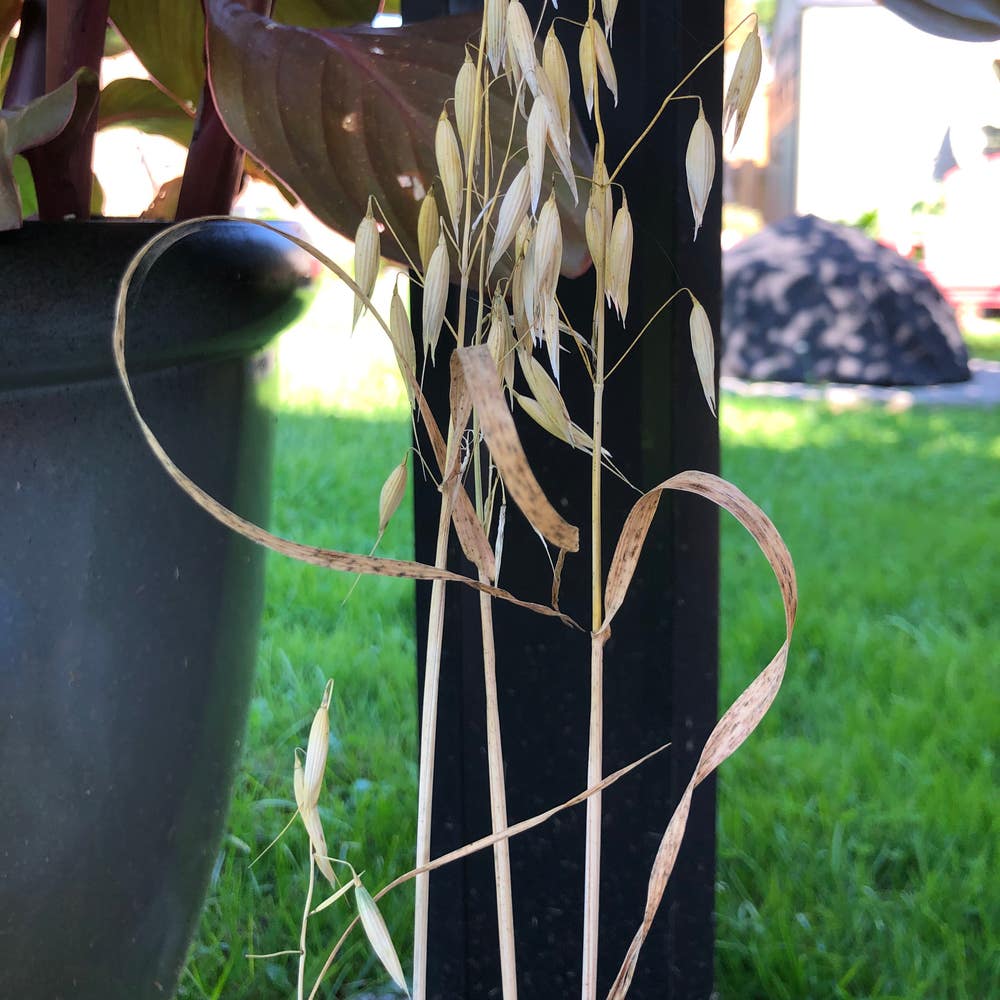
Black spots on Umbrella Sedge can be alarms for plant health. Look for tiny specks that can grow into larger blotches. These spots may have dark margins or concentric rings, often a sign of fungal issues. Flip the leaves; the underside might reveal more than the topside.
🦠 Common Perpetrators
The usual suspects range from fungal infections to environmental stress. Fungal spots are typically powdery, while bacterial spots might feel slimy. Don't overlook sticky residues, which could indicate insect activity. Spots from environmental stress, like excessive sun or temperature extremes, usually lack the distinct rings of biotic causes.
Fungal Foes: Battling Black Spot Culprits
🍄 Identifying Fungal Infections
Black spots on your Umbrella Sedge can be a red flag for fungal infections. These spots often show up as circular lesions, sometimes surrounded by a yellowish halo. They're not just blemishes; they're distress signals from your plant. To confirm a fungal culprit, look for a pattern of spreading or a cluster of spots.
🌿 Fungicide to the Rescue
Once you've pinpointed fungus as the villain, it's time to arm yourself with fungicide. Your choices range from eco-friendly neem oil to traditional chemical concoctions. Read labels like they're the secret code to plant salvation and apply with vigilance, covering every inch of the leaf, both sides. Consistency wins the war; treat your plant on a regular schedule. Remember, good plant hygiene is crucial—sterilize your tools before and after you prune to prevent spreading the spores.
Environmental Stress: When Conditions Conspire
💧 Water Woes
Overwatering is the equivalent of loving your plant to death. Yellow leaves and a mushy stem? You've gone overboard. Underwatering turns your Umbrella Sedge into a desert dweller. The trick is to water when the top inch of soil is dry—no sooner. Use room temperature water to avoid shocking the roots.
🌞 Light and Airflow Adjustments
Your Umbrella Sedge craves bright, indirect light—too much sun and it's a leaf-frying session; too little and it's a slow fade to green. Airflow is like social distancing for plants; give them space to breathe. Too close and you're inviting fungal parties. Keep your plant in a stable environment—away from drafts and heat sources.
Environmental Adjustments
Temperature swings are the drama queens of plant stress. Your Sedge doesn't need that kind of instability. Aim for a "cool oasis" vibe in your plant's location. During scorching summers, use shade cloths; in winter, shield it from cold drafts. Regular environment checks keep your plant from throwing a tantrum.
Creating a Stable Environment
Grouping plants can create a mini ecosystem—it's like a plant potluck where everyone brings moisture. Consider a humidifier for consistent air moisture, but skip the misting—it's a fungal invitation. Adjust your care routine at the first sign of distress. Spot a yellow leaf? Time to reassess your watering or lighting strategy.
First Aid for Spotted Leaves
🌿 Immediate Actions
Upon detecting the first black spot on your Umbrella Sedge, it's critical to spring into action. Prune the affected leaves promptly, using sterilized shears to prevent the spread of any potential fungal infection. Dispose of the removed foliage securely, treating it like hazardous waste. After pruning, apply a fungicide with precision, ensuring all leaves are thoroughly coated, and adhere to the treatment schedule detailed on the product label.
🌱 Long-Term Plant Health
For enduring health, scrutinize your Umbrella Sedge's living conditions. Adjust watering habits to prevent over-saturation and ensure the soil offers proper drainage—consider adding perlite if necessary. Light and airflow are paramount; reposition your plant to a spot that offers indirect sunlight and good circulation. Regular inspections are non-negotiable—turn over leaves and inspect all nooks to catch any new offenders early. Maintain a consistent care routine, and your Umbrella Sedge will reward you with resilience and vigor.
⚠️ Safety First
This content is for general information and may contain errors, omissions, or outdated details. It is not medical, veterinary advice, or an endorsement of therapeutic claims.
Always consult a qualified healthcare professional before using any plant as food, medicine, or supplement.
Never eat any plant (or feed one to pets) without confirming its identity with at least two trusted sources.
If you suspect poisoning, call Poison Control (800) 222-1222, the Pet Poison Helpline (800) 213-6680, or your local emergency service immediately.
Spotted an error? Please report it here.
Eradicate black spots 🍃 on your Umbrella Sedge with ease by letting Greg tailor your watering schedule to prevent over and underwatering, ensuring your plant stays healthy and spot-free!