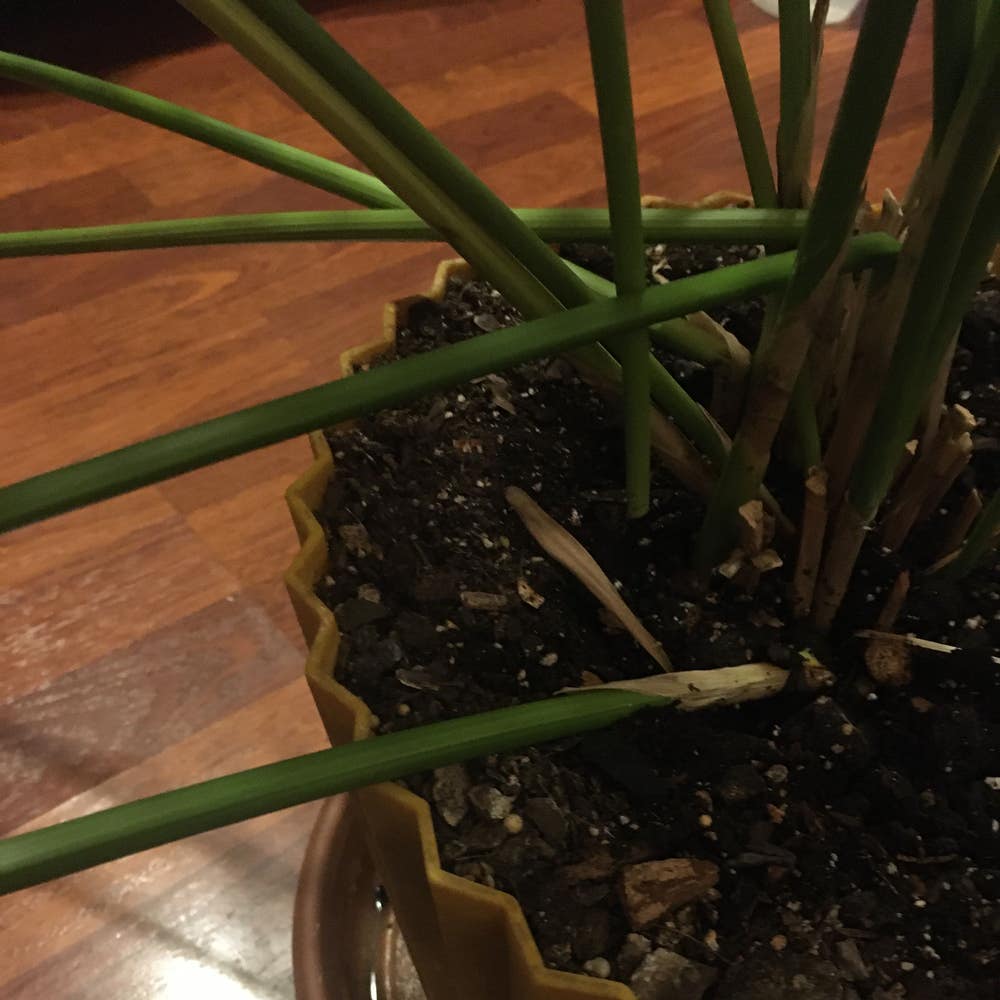
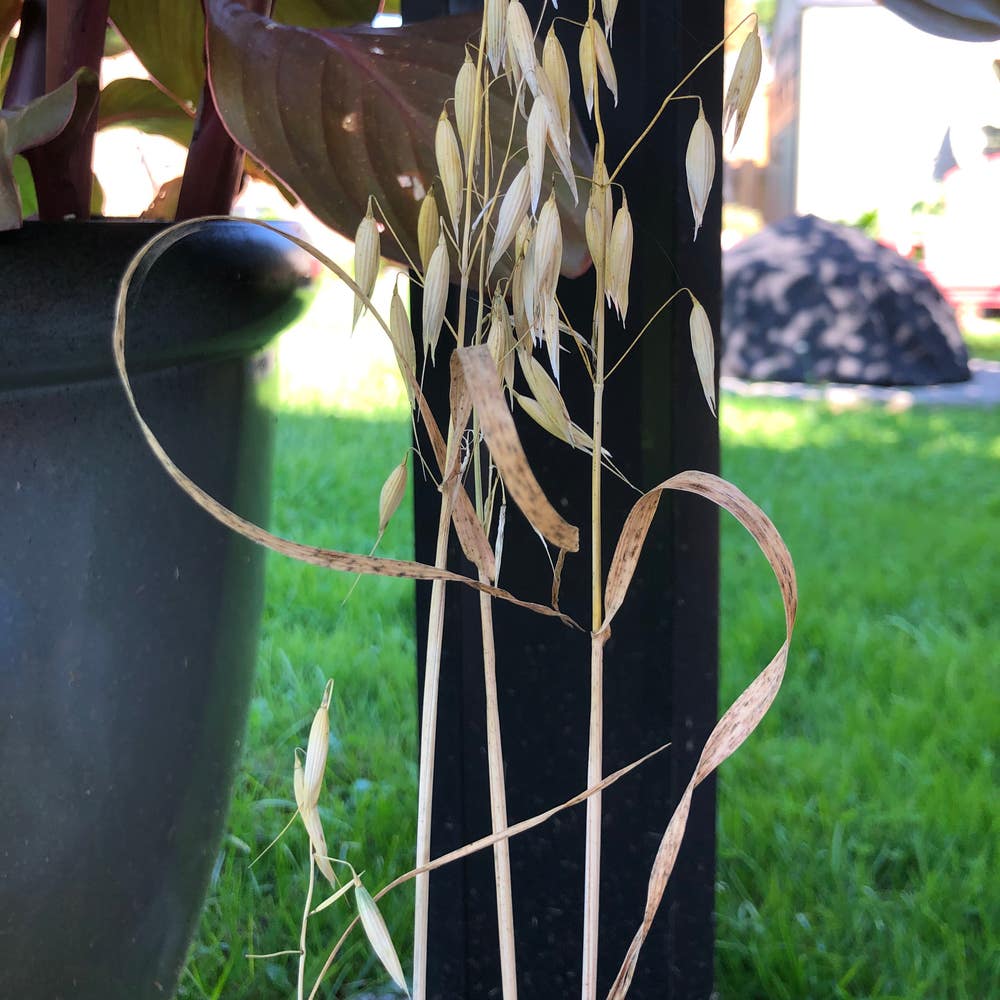
☂️ How and When Should I Cut Back My Umbrella Sedge?
Cyperus eragrostis
By the Greg Editorial Team
Mar 12, 2024•4 min read
This article was created with the help of AI so we can cover more plants for you. May contain errors. See one? Report it here.
- Spring is prime pruning time for Umbrella Sedge's growth spurt.
- 🌿 Use sharp, disinfected tools for healthy cuts and disease prevention.
- Post-prune care: consistent watering and balanced fertilizer for recovery.
Best Time to Give Your Umbrella Sedge a Trim
⏰ Seasonal Guidance for Pruning
Pruning your Umbrella Sedge isn't just about snipping away—it's about timing. Spring is your go-to season, as the plant shakes off winter's chill and gears up for growth. This is when your sedge is most forgiving, ready to bounce back with gusto after a trim.
Avoid winter cuts; it's the plant's downtime. Think of it as the plant's hibernation period—disturbing it then is a no-go.
🌱 Growth Phase Considerations
Your Umbrella Sedge has its own life cycle, and you've got to sync with it. Early growth phases are key. Prune as new shoots are about to unfurl, not when they're mature. This way, you're not interrupting the plant's natural progression or risking damage to new growth.
Remember, it's not just about when, but also about the plant's current state. If it's looking shaggy or has yellowing stems, it's begging for a trim, regardless of the calendar.
Tools of the Trade: What You'll Need to Prune
🛠️ Selecting the Right Tools
Pruning your Umbrella Sedge starts with sharp tools. Hand pruners are your go-to for precision cuts on thin stems. For the thicker, more stubborn sections, loppers bring the necessary leverage. And, if you're dealing with a particularly tough job, a pruning saw will be your best friend. Remember, the right tool not only makes the job easier but also helps prevent plant damage.
🧼 Preparing Your Tools for the Job
Before you make the first cut, give your tools some TLC. Clean blades prevent disease spread and ensure a clean cut. Use rubbing alcohol or a bleach solution to disinfect, then rinse and dry thoroughly to dodge rust. A wire brush can help remove sap and debris, while a sharpening stone keeps your tools cutting crisply. Finish with a lubricant on the moving parts to keep them working smoothly. Think of it as a spa day for your shears; they've earned it.
Pruning Techniques: The Right Cut
🌱 Basic Pruning Steps
Pruning your Umbrella Sedge isn't rocket science, but it does require some finesse. First things first, gear up with protective gloves and grab those sharp, sterilized pruning tools. Inspect your plant for any signs of distress—discoloration, wilting, the works. Plan your attack; you're aiming to keep that natural umbrella shape while ditching the unwanted bits.
Snip time: go for the base of the damaged areas, careful not to nick the healthy stuff. Precision is key, so wield those shears or a sharp knife like a surgeon. Once you've made your cuts, clean up the crime scene—dispose of the trimmings to prevent any disease from spreading.
🌿 Shaping for Beauty
Now, let's talk aesthetics. You want your Umbrella Sedge to be the belle of the ball, right? Shape it up by snipping just above a leaf node, where new life will spring. This encourages a fuller, bushier look. It's like directing traffic; you're telling the plant where to focus its energy. But remember, less is more. Over-pruning can send your plant into shock, so keep it cool and collected.
🌳 Rejuvenation Pruning
Got an overgrown beast on your hands? Rejuvenation pruning is your friend. It's the plant equivalent of a spa retreat. Start by cutting back the old, woody stems to promote new growth. It's a bit like a strategic haircut, trimming away the old to make way for the new. This can give your plant a second lease on life, encouraging fresh, vibrant growth. Just be patient; it might take a season or two for your plant to bounce back fully.
Aftercare: Ensuring a Healthy Comeback
🌱 Post-Pruning Care Tips
After you've snipped and shaped your Umbrella Sedge, don't ghost it. It's time to shower your plant with some TLC. Watering is crucial; keep the soil consistently moist but not waterlogged. Think of it as a soothing balm for those fresh cuts. Fertilization is your next move—opt for a balanced liquid fertilizer to encourage lush growth. But remember, it's a fine line between nourishing and overfeeding.
🕵️ Monitoring and Maintenance
Vigilance is key post-prune. Keep an eagle eye on new shoots; they're the green thumbs-up for recovery. If you spot any wilting or discoloration, it's time to play detective and tweak your care routine. Seasonal changes mean your plant's needs will shift, so adapt your watering and lighting accordingly. And here's a pro tip: mulch around the base to help retain moisture and regulate soil temperature. It's like a cozy blanket for your plant's roots.
⚠️ Safety First
This content is for general information and may contain errors, omissions, or outdated details. It is not medical, veterinary advice, or an endorsement of therapeutic claims.
Always consult a qualified healthcare professional before using any plant as food, medicine, or supplement.
Never eat any plant (or feed one to pets) without confirming its identity with at least two trusted sources.
If you suspect poisoning, call Poison Control (800) 222-1222, the Pet Poison Helpline (800) 213-6680, or your local emergency service immediately.
Spotted an error? Please report it here.
Trim your Umbrella Sedge at the ideal time 📅 with Greg's custom reminders, so you can enjoy a lush, healthy plant without ever missing a snip.