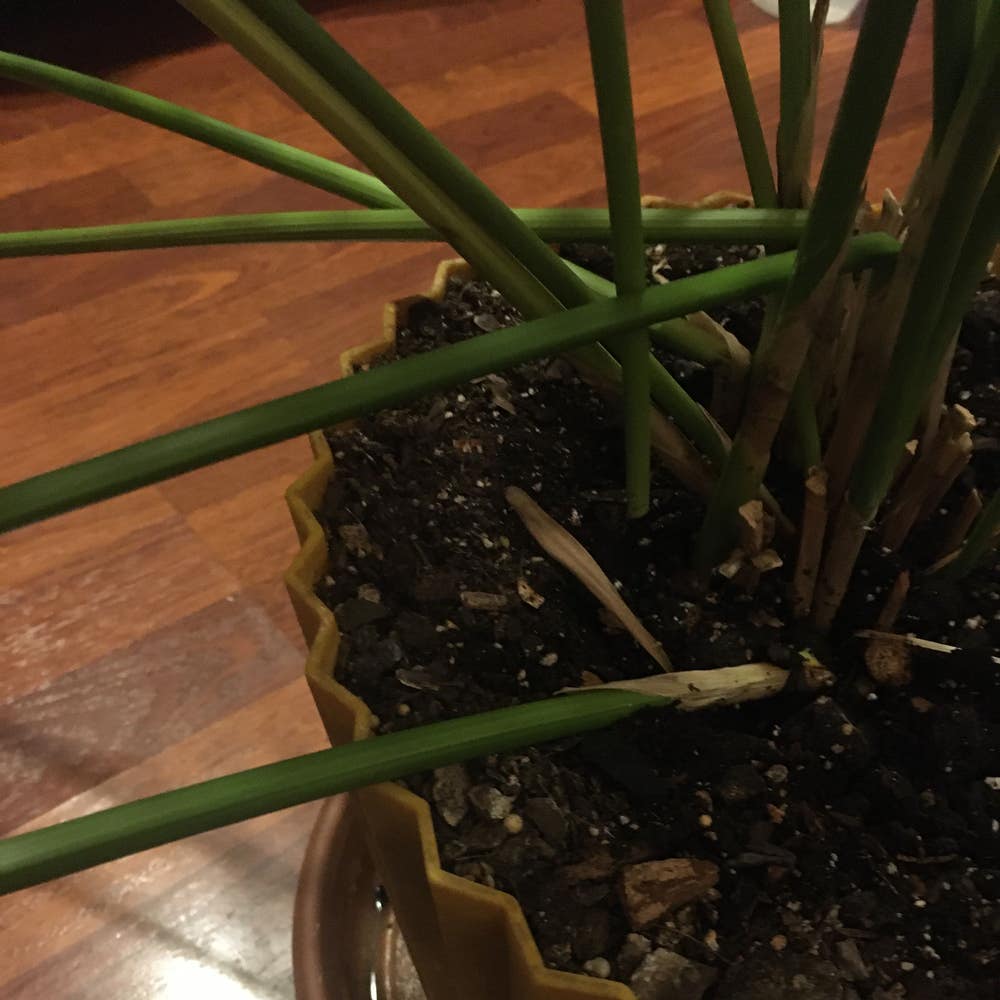
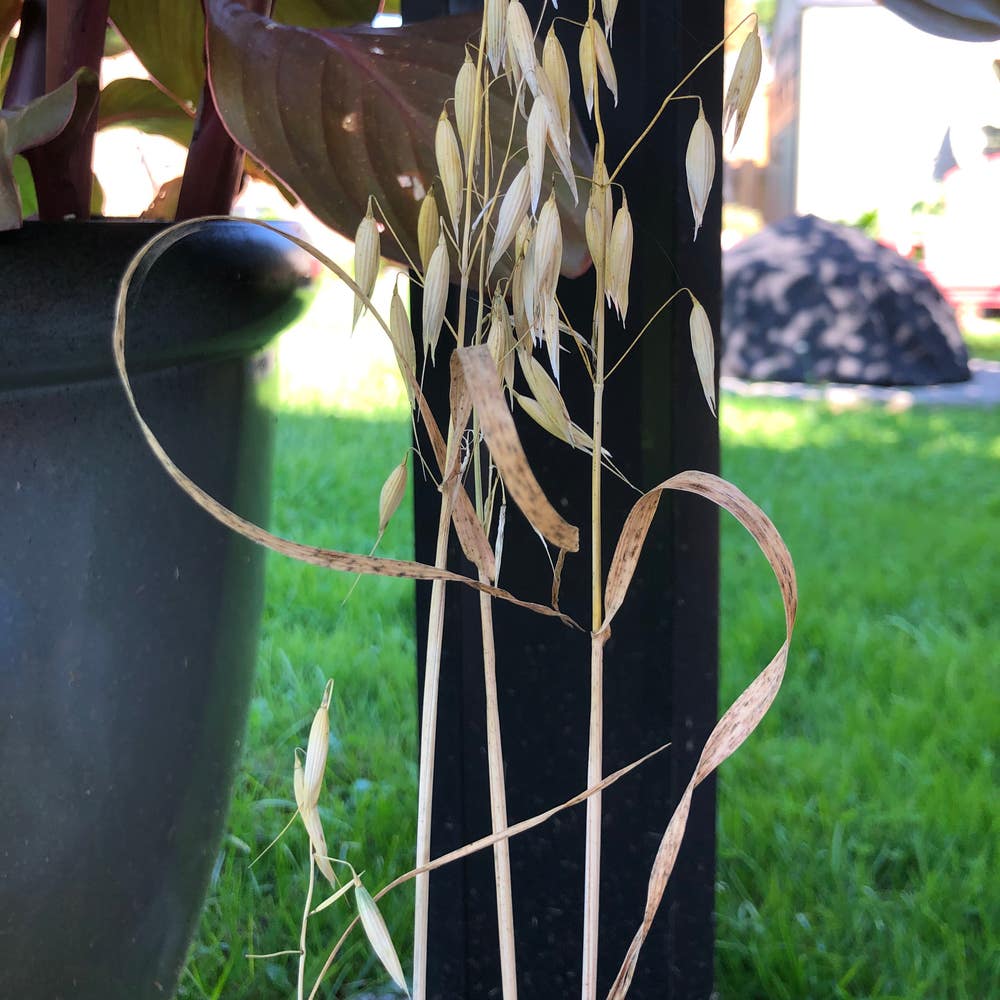
🔍 Best Tips for Dealing with Black Spots on Chufa
Cyperus eragrostis
By the Greg Editorial Team
Nov 08, 2024•5 min read
This article was created with the help of AI so we can cover more plants for you. May contain errors. See one? Report it here.
- 🌱 Diagnose black spots by examining size, shape, and leaf surface for effective treatment.
- 💧 Prevent black spots with balanced watering and healthy soil conditions for Chufa plants.
- 🌞 Ensure 6-8 hours of sunlight daily to reduce disease susceptibility in Chufa.
Diagnosing Black Spots
Diagnosing black spots on Chufa is crucial for effective treatment. Understanding the type and cause of these spots can help you take the right steps to restore your plant's health.
🕵️ Identifying the Type of Black Spots
Spot Size and Shape
The size and shape of the spots can provide valuable clues. Small, round spots typically indicate a fungal origin, while irregular, large patches may suggest a bacterial infection.
Location on the Leaf
The location of the spots on the leaf also matters. Spots on the upper leaf surface often point to different pathogens than those found on the lower surface. Additionally, if the spots are near the leaf edges, it’s likely a fungal infection, as these often begin at the margins.
🌍 Assessing Environmental Factors
Environmental conditions play a significant role in the health of your Chufa. By evaluating soil conditions, watering practices, and sunlight exposure, you can identify potential issues contributing to black spots.
Soil Conditions
Soil moisture levels are critical; Chufa thrives in well-draining soil. Maintaining a soil pH between 6.0 and 7.0 is ideal for optimal growth and health.
Watering Practices
Your watering practices can greatly affect plant health. Overwatering can lead to root rot, so aim for a balanced approach. Deep watering is preferable to surface watering, as it encourages strong root development.
Sunlight Exposure
Chufa requires full sun to partial shade, ideally receiving 6-8 hours of sunlight daily. Insufficient light can increase the plant's susceptibility to diseases, making proper placement essential.
Understanding these diagnostic factors will empower you to tackle black spots effectively. Next, we’ll explore treatment options to help your Chufa thrive again.
Treating Black Spots on Chufa
🌱 Organic Treatment Options
Neem Oil Application
Neem oil is a fantastic organic solution for treating black spots on Chufa. To apply, mix 2 tablespoons of neem oil with a gallon of water, creating a potent spray.
For best results, use this mixture every 7 to 14 days until you notice an improvement in your plants. This natural remedy not only helps combat fungal issues but also acts as a pest deterrent.
Baking Soda Solution
Another effective organic treatment is a baking soda solution. Simply mix 1 tablespoon of baking soda with 1 gallon of water to create a spray.
Timing is crucial; apply this solution early in the morning or late in the afternoon to prevent leaf burn. This method can help neutralize fungal spores and promote healthier foliage.
🧪 Chemical Treatments
Fungicides and Their Application
When organic methods aren't enough, chemical fungicides can be a viable option. There are two main types: systemic fungicides, which are absorbed by the plant, and contact fungicides, which act on the surface.
Always follow the manufacturer’s instructions for dosage and timing to ensure effective treatment. Proper application can significantly reduce the spread of black spots and restore your Chufa's health.
🌬️ Cultural Practices to Improve Plant Health
Pruning Affected Leaves
Pruning is essential when dealing with black spots. As soon as you notice symptoms, use clean, sharp pruning shears to remove affected leaves.
This practice not only helps prevent further infection but also encourages new growth. Keeping your plants tidy can make a noticeable difference in their overall health.
Improving Air Circulation
Good air circulation is vital for preventing fungal diseases. Space your Chufa plants 12 to 18 inches apart to allow for optimal airflow.
In high humidity areas, consider using fans or natural windbreaks to enhance ventilation. This simple adjustment can significantly reduce the likelihood of black spots reappearing.
By implementing these treatment options and cultural practices, you can effectively manage black spots on your Chufa. With a little care and attention, your plants will thrive and produce healthy, vibrant growth.
Preventing Black Spots
Preventing black spots on Chufa is essential for maintaining healthy plants. Implementing best practices in care can significantly reduce the risk of these unsightly blemishes.
🌱 Best Practices for Chufa Care
Proper Watering Techniques
Establish a consistent watering schedule by deep watering once a week. Adjust this routine based on rainfall to ensure your Chufa receives adequate moisture without becoming waterlogged.
Watch for signs of overwatering, such as yellowing leaves or mushy roots. These symptoms indicate that your plants may be struggling, and it’s time to reassess your watering habits.
Soil Health and Amendments
Soil health plays a crucial role in preventing black spots. Incorporating organic matter, like compost and well-rotted manure, enriches the soil and promotes robust plant growth.
Regular soil testing is also vital. Monitoring nutrient levels and pH ensures your Chufa thrives in optimal conditions, reducing susceptibility to diseases.
🔍 Monitoring for Pests and Diseases
Regular inspections are key to early detection of pests and diseases. Aim for weekly checks to catch any issues before they escalate.
Keep a record of any occurrences of black spots. Documenting these instances helps you identify patterns and adjust your care strategies accordingly.
By following these preventive measures, you can cultivate healthier Chufa plants and enjoy a bountiful harvest. Next, let’s explore effective treatment options for existing black spots.
⚠️ Safety First
This content is for general information and may contain errors, omissions, or outdated details. It is not medical, veterinary advice, or an endorsement of therapeutic claims.
Always consult a qualified healthcare professional before using any plant as food, medicine, or supplement.
Never eat any plant (or feed one to pets) without confirming its identity with at least two trusted sources.
If you suspect poisoning, call Poison Control (800) 222-1222, the Pet Poison Helpline (800) 213-6680, or your local emergency service immediately.
Spotted an error? Please report it here.
Keep your Chufa healthy and spot-free 🌱 by using Greg's tailored watering reminders and expert care tips to tackle black spots effectively!