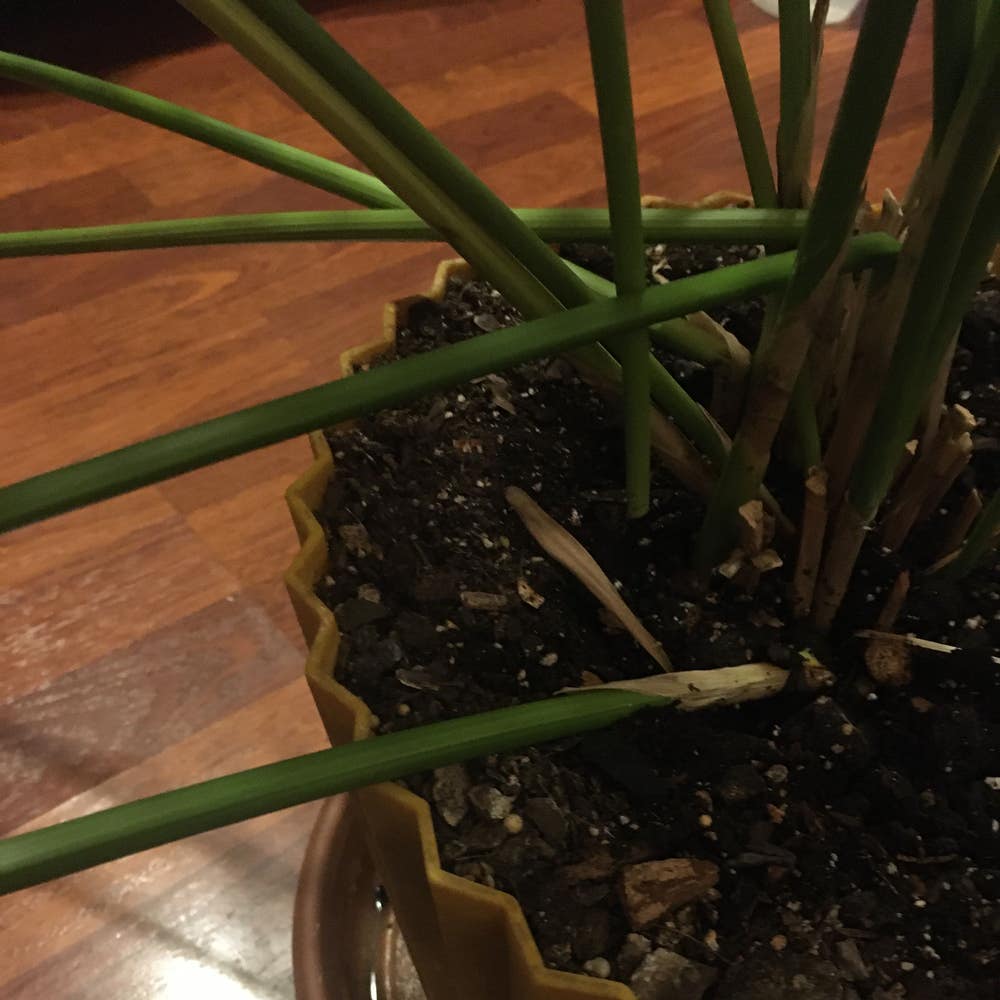
☂️ Is My Umbrella Sedge Getting Too Much Direct Sunlight?
Cyperus eragrostis
By the Greg Editorial Team
Mar 12, 2024•3 min read
This article was created with the help of AI so we can cover more plants for you. May contain errors. See one? Report it here.
- Bright light, not direct sun, suits Umbrella Sedge best.
- 🌅 East-facing windows are ideal for gentle morning light.
- 🍂 Crispy edges mean sunburn; move plant and hydrate.
Sunlight Simplified: What Does Umbrella Sedge Prefer?
🌞 Direct vs. Indirect Sunlight
Direct sunlight is the unfiltered midday concert of the sun's rays, a powerful performance that can overwhelm. Indirect sunlight, however, is the sun's soft serenade through a curtain, gentle enough for an all-day encore.
Umbrella Sedge's Sunlight Needs
Umbrella Sedge craves bright light but doesn't need to be in the spotlight all day. It's a fan of full sun but will stay healthy with a few hours of sun per day. Too much direct light? That's a recipe for weak stems and a stressed Sedge.
When the Sun's Path Matters: Window Direction and Hemisphere Insights
🌅 Window Wise: Where to Place Your Umbrella Sedge
East-facing windows greet your Umbrella Sedge with a gentle morning caress of sunlight, perfect for a soft start to the day. West-facing windows, on the other hand, throw an afternoon party of light, which might be a bit too rowdy for your plant's taste.
🌐 Hemisphere Hints: North or South, It Makes a Difference
In the Northern Hemisphere, south-facing windows are like the sun's stage, shining the spotlight on your Umbrella Sedge for the most part of the day. Flip the map to the Southern Hemisphere, and it's the north-facing windows that steal the show, offering the main act of sunlight your plant will crave.
Spotting a Sunburn: Signs Your Umbrella Sedge Has Had Too Much
🌞 Telltale Signs of Too Much Sun
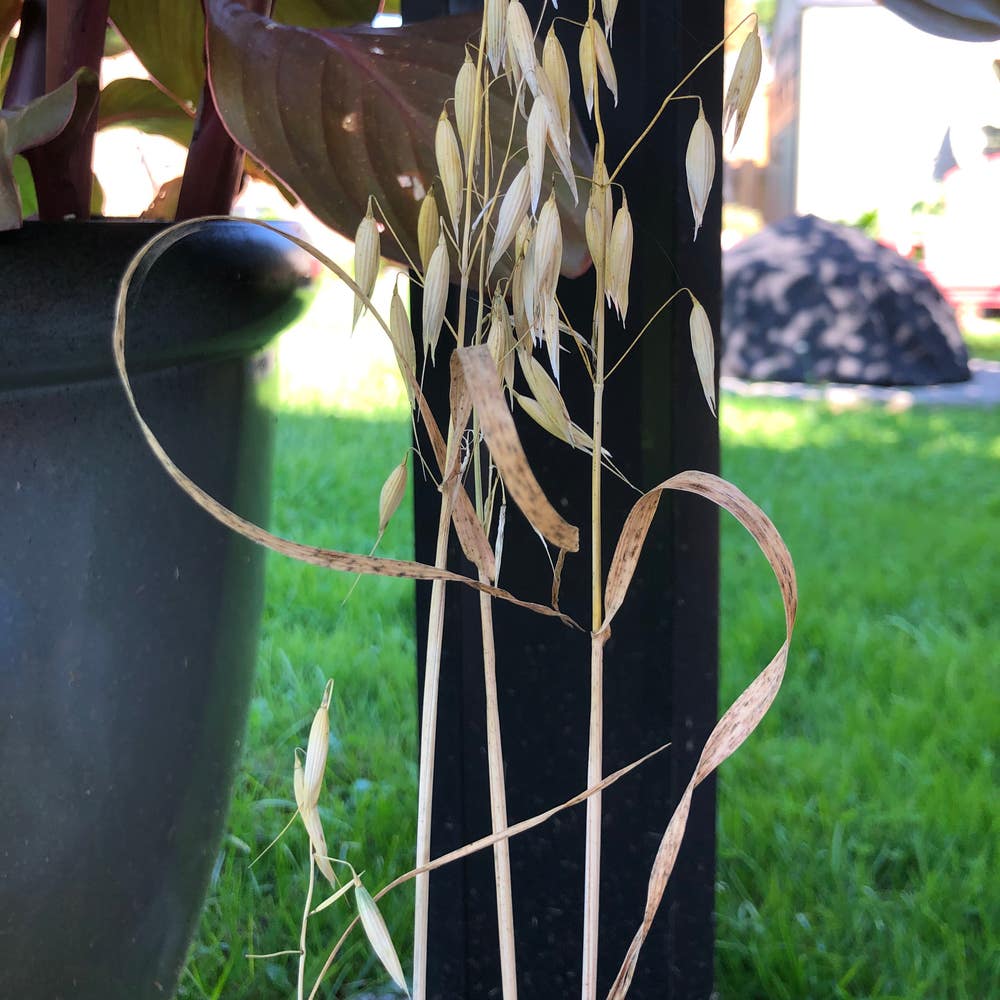
Crispy leaf edges on your Umbrella Sedge are the first red flag; they're not going for the autumn leaf crunch. Brown patches? That's your plant's version of a bad sunburn. If the leaves are starting to resemble over-bleached denim, it's a sign they're waving the white flag at relentless rays. Wilting or leaves that feel like worn leather? Your Sedge is overheated. And if you spot yellowing leaves, don't mistake them for a new fashion trend; they're a distress signal.
Quick Fixes for the Sun-Struck
Caught your Sedge looking sun-struck? Move it out of the direct sunlight, pronto. Think of a sheer curtain as your plant's sunscreen; it softens harsh rays. If midday glare is the culprit, reposition your plant to a spot that gets gentler morning or evening light. Hydration is key; ensure your Sedge gets enough water to recover from its sunbathing session. If all else fails and your plant looks like it's on its last leg, trim the damaged parts. It's like cutting off split ends; it won't reverse the damage, but it helps the rest of your plant stay healthy.
Keeping It Cool: Protecting Umbrella Sedge from Sun Stress
🌞 Seasonal Shifts and Sunlight Strategy
As the seasons change, so does the sun's intensity. Your Umbrella Sedge's comfort zone can shift from a sunbather's paradise to a scorching desert. In spring and fall, the plant can often handle more direct sunlight. Come summer, it's essential to dial down the exposure. Morning light is your ally, but by afternoon, think about providing some shade.
🌿 Sun-Smart Tips for Plant Parents
Hydration is crucial, especially when the heat is on. Ensure your Umbrella Sedge's soil stays moist but not waterlogged. Mulching helps retain that precious moisture. If the leaves start to brown at the tips, it's a distress call for less light or more water. In the peak of summer, a strategic umbrella or shade cloth can be a lifesaver during those intense midday hours. And remember, like updating your apps, keep tweaking your plant care routine to match the current weather app's report.
⚠️ Safety First
This content is for general information and may contain errors, omissions, or outdated details. It is not medical, veterinary advice, or an endorsement of therapeutic claims.
Always consult a qualified healthcare professional before using any plant as food, medicine, or supplement.
Never eat any plant (or feed one to pets) without confirming its identity with at least two trusted sources.
If you suspect poisoning, call Poison Control (800) 222-1222, the Pet Poison Helpline (800) 213-6680, or your local emergency service immediately.
Spotted an error? Please report it here.
Keep your Umbrella Sedge perfectly poised 🌿 with Greg's PlantVision, ensuring it gets the ideal amount of sunlight without the sunburn.