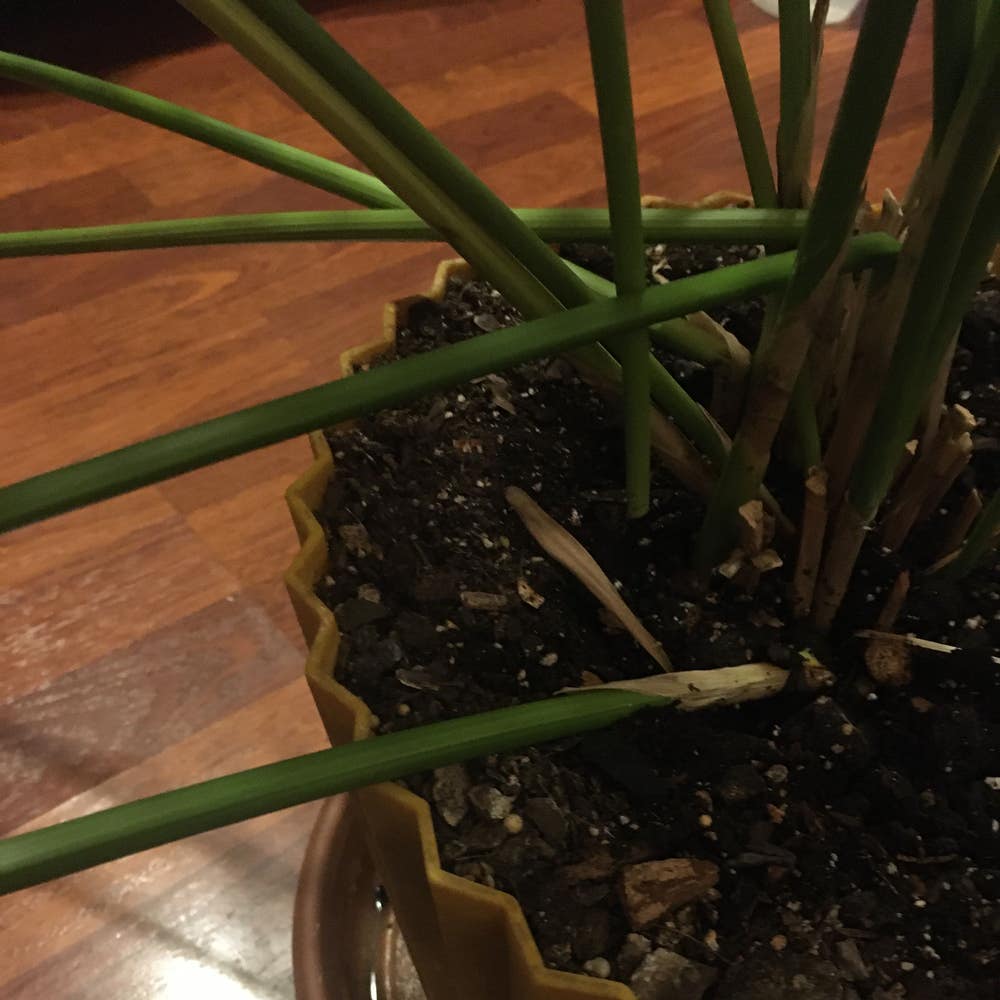
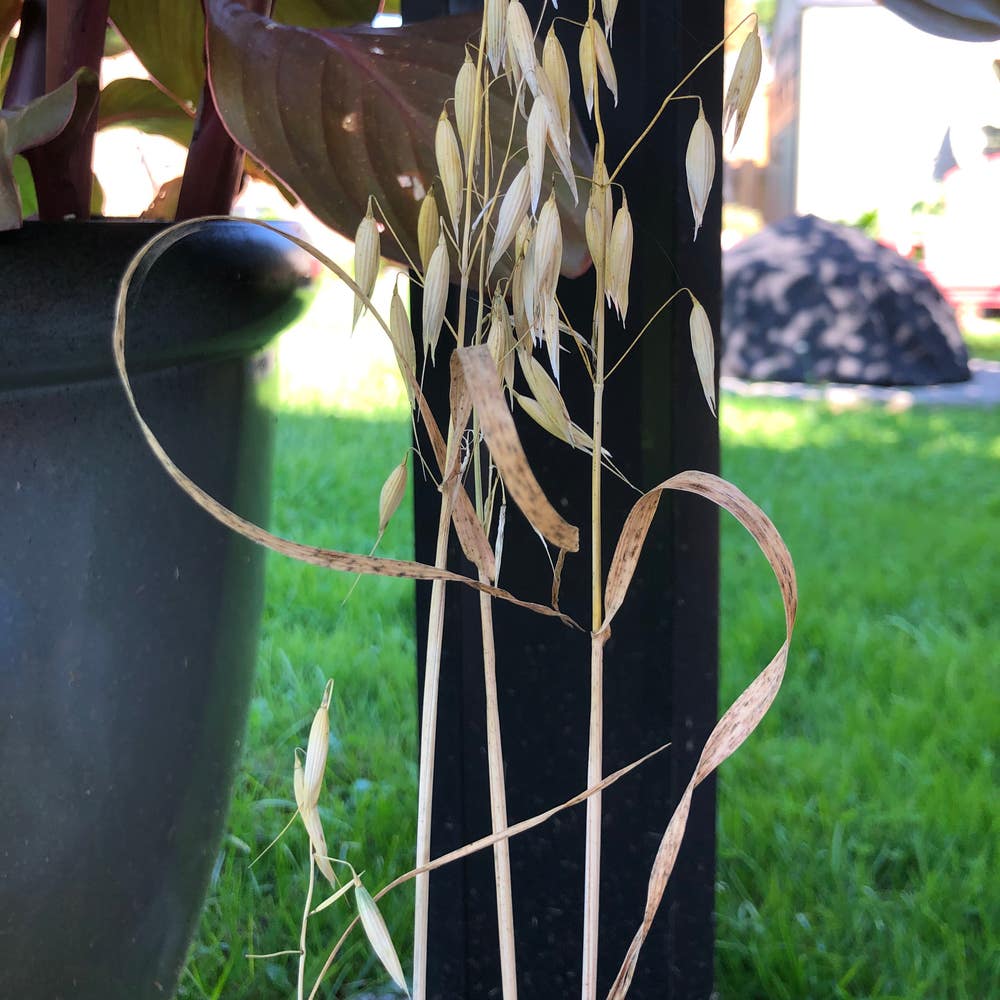
Why Are My Umbrella Sedge Leaves Curling?
Cyperus eragrostis
By the Greg Editorial Team
Mar 12, 2024•4 min read
This article was created with the help of AI so we can cover more plants for you. May contain errors. See one? Report it here.
- 💦 Over or underwatering can cause leaf curl—balance is key.
- 🌞🌡️ Sunlight, wind, and temperature affect leaf health; create a stable microclimate.
- 🐛 Combat pests and diseases with beneficial insects and organic treatments.
When Water Works Against You
💧 Too Much of a Good Thing: Overwatering Woes
Soggy soil and leaves curling like party ribbons are tell-tale signs of overwatering your Umbrella Sedge. It's a delicate balance, keeping the soil moist without turning it into a miniature swamp.
Yellowing leaves and a constant wetness underfoot spell trouble. Overwatering is the silent assassin of plant vitality; it's time to reassess your watering schedule.
🏜️ Parched Plants: The Perils of Underwatering
Wilting leaves are your Umbrella Sedge's silent scream for hydration. When the soil pulls away from the pot, it's a clear red flag that your plant is as parched as a desert.
To quench your plant's thirst, water deeply but sparingly. The soil should feel like a wrung-out sponge—moist, not saturated. Remember, it's a marathon, not a sprint; consistent moisture wins the race.
Battling the Elements
🌞 Sun Scorch and Shade Seekers
The Umbrella Sedge thrives in a Goldilocks zone of sunlight—not too much, not too little. Intense light can lead to leaf curl, a plant's cry for help. It's a delicate dance to keep the leaves from crisping up like a piece of toast left too long in the sun.
Finding the Sweet Spot for Sunlight Exposure
To prevent your Sedge from wilting or reaching desperately for light, aim for a spot with bright to medium light. A few hours of sun per day should do the trick, but watch out for the midday blaze. If the sun's relentless, a shade cloth or a well-placed umbrella can act as a sun hat for your plant.
💨 Wind Whips and Temperature Tips
Wind can be a stealthy saboteur, turning minor issues into full-blown disasters. Temperature swings are like unexpected plot twists that can leave your Sedge in despair.
Creating a Cozy Microclimate for Your Umbrella Sedge
To shield your Sedge from gusty conditions, find a less exposed area or use barriers to break the wind's force. Indoors, keep fans and air currents from causing undue stress. Outdoors, mulch can act as a thermal blanket, keeping soil temperatures even. Remember, consistency is key—your Sedge likes its environment like its soil: not too dry, not too wet, but just right.
Unwanted Guests: Pests and Diseases
🐛 Bug Battles: Keeping Critters at Bay
Aphids and spider mites are the Umbrella Sedge's archenemies, often lurking unseen. They're like the ninjas of the plant world, hiding under leaves, sapping vitality, and causing leaf curl. Check for misshapen leaves or a sticky residue as evidence of their stealthy presence.
For a green-thumbed defense, insecticidal soaps or neem oil are your go-to arsenal. Apply with precision, covering all potential pest hideouts. Introducing beneficial insects like ladybugs can also turn the tide in your favor, serving as natural pest control agents.
🦠 Disease Dilemmas: Fungal Foes and More
Fungal diseases like rust and leaf spot can be the silent assassins of your Sedge's health, manifesting as curled leaves. Spotting them early is crucial; look for discoloration or spots on leaves.
When it comes to treatment, copper fungicides or eco-friendly options like Mycostop are your allies. Apply with care, following label instructions to the letter. Prevention is your best strategy—ensure good air circulation and avoid wet foliage to keep fungal gatecrashers at bay.
Curl Correction: Fixing the Foliage
💧 Watering Wisdom: Fine-Tuning Your Technique
Adjusting your watering routine can be the game-changer your Umbrella Sedge needs. Overwatering can leave your plant's feet wetter than a rainforest floor, while underwatering turns its soil into a miniature desert.
- Check the top inch of soil for dryness before watering.
- Embrace the soak and dry method; it's like giving your plant a full meal rather than just snacks.
- Seasonal changes demand a shift in your watering frequency—less in winter, more in summer.
🌿 Environmental Engineering: Tweaking Your Garden Setup
Your plant's environment is its kingdom, and you're the ruler. Sunlight is key, but too much can scorch leaves, while too little leaves them yearning for more.
- Find that sunlight sweet spot—bright but indirect light is the throne upon which your Sedge will flourish.
- Wind and temperature extremes are the unruly neighbors; shield your plant from them to avoid stress-induced curling.
🐜 Pest Control and Disease Defense
Pests and diseases are the party crashers in your plant's life. Prevention is better than cure, so keep a keen eye out for any signs of these uninvited guests.
- Introduce beneficial insects to patrol your plant like tiny green bouncers.
- A consistent care schedule keeps your plant strong, making it less of a target for pests and diseases.
- If trouble arises, organic treatments can help without turning your garden into a chemical warzone.
⚠️ Safety First
This content is for general information and may contain errors, omissions, or outdated details. It is not medical, veterinary advice, or an endorsement of therapeutic claims.
Always consult a qualified healthcare professional before using any plant as food, medicine, or supplement.
Never eat any plant (or feed one to pets) without confirming its identity with at least two trusted sources.
If you suspect poisoning, call Poison Control (800) 222-1222, the Pet Poison Helpline (800) 213-6680, or your local emergency service immediately.
Spotted an error? Please report it here.
Combat Umbrella Sedge leaf curl by letting Greg tailor your plant care 🌿, with custom watering schedules and eco-friendly pest solutions.