🌂 Why Are My Umbrella Sedge Leaves Falling Over?
Cyperus eragrostis
By the Greg Editorial Team
Mar 12, 2024•4 min read
This article was created with the help of AI so we can cover more plants for you. May contain errors. See one? Report it here.
- Overwatering? Check soil and use well-draining mix to prevent droopy leaves.
- 🌞 Insufficient light leads to drooping; provide bright, indirect sunlight or a grow light.
- Nutrient balance is key; choose a balanced fertilizer and repot if necessary.
When Water Gets Too Cozy: Overwatering Woes
🚱 Spotting the Signs of Overwatering
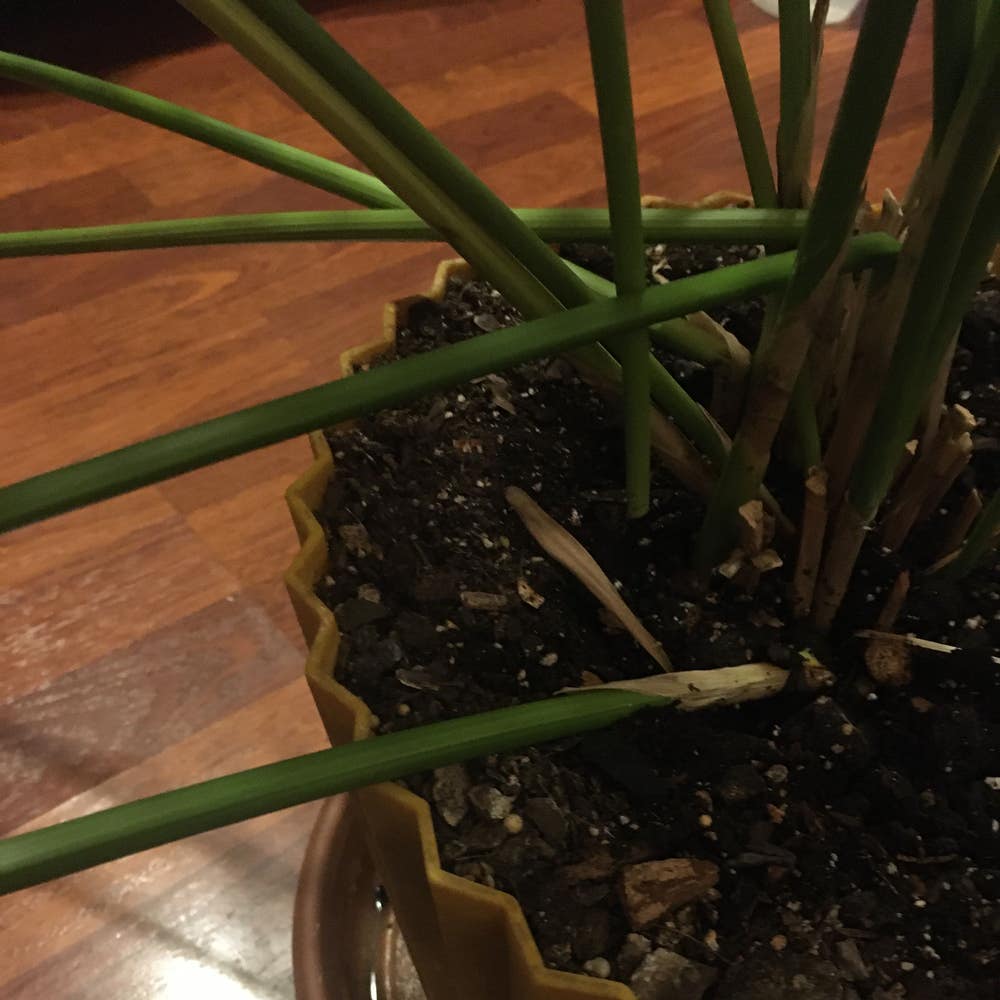
Your Umbrella Sedge's leaves are drooping, and you're wondering if you've been a bit too generous with the watering can. Squishy leaves that feel softer than usual could be crying out for help. If the soil is sticking to your fingers like a bad habit, it's a classic case of overindulgence in water.
Yellow leaves? They're not just changing with the seasons; they're waving a yellow flag for overwatering. And if the soil feels like a wet sponge, it's time to put the watering can down and back away slowly.
Balancing the Watering Act
To get back on track, let's start with a simple touch test. Dig a finger into the soil; if it's damp an inch down, hold off on the waterworks. Your plant isn't a camel; it doesn't need to store water for dry days ahead.
Drainage holes are the unsung heroes here. They're like an escape route for excess water, so make sure your pot's got them. If you've been watering when the soil's still wet, consider switching to a well-draining soil mix to avoid waterlogging.
Remember, the best time to water is when the sun's up. It's like giving your plant a morning coffee, allowing excess moisture to evaporate throughout the day. And if you've been a bit heavy-handed, let the soil dry out before you go for another round. It's not just about sticking to a schedule; it's about observing and adapting to your plant's needs.
Light: The Make-or-Break for Leaf Posture
💡 Decoding Your Plant's Light Needs
Insufficient light often leaves Umbrella Sedge leaves slouching, signaling a need for more lumens. Your plant's leaves might start resembling a crowd of tired concert-goers—limp and unenthusiastic. It's a silent plea for more sunshine, or at least a brighter spot indoors.
💡 Let There Be Light!
To combat the droop, bright, indirect sunlight is your go-to. Direct rays can be harsh, so aim for a location that mimics the dappled light of the plant's natural habitat. Rotate your plant periodically to ensure even exposure and prevent it from leaning like it's trying to catch a glimpse of something. If natural light is scarce, consider a grow light—it's like a caffeine shot for your plant's posture. Remember, light is not just about survival; it's about providing the energy for your Umbrella Sedge to stand tall and confident.
Feeding Finesse: Nutrients for Upright Leaves
🌿 The Telltale Signs of Nutrient Starvation
Yellowing leaves are red flags; they're your Umbrella Sedge's version of a distress signal. If your plant's leaves are as pale as a ghost, it's probably a cry for nitrogen. Stunted growth? Your green buddy might be begging for potassium and phosphorus. It's like your plant is whispering its needs, and you need to listen closely.
🍽️ A Buffet of Nutrients
Choosing the right fertilizer is akin to crafting a gourmet meal for your plant. Balance is the secret ingredient. Look for a mix that's rich in nitrogen, phosphorus, and potassium—the holy trinity for plant health. But don't go overboard; too much is like force-feeding, and nobody wants that. Consider organic options like fish bone meal; they're like a slow-cooked feast that keeps on giving. Remember, your plant's appetite changes with the seasons, so stay observant and adjust your feeding strategy like you're tuning a guitar—gently and with precision.
Cramped Quarters: The Root of the Problem
🌱 Recognizing a Pot-Bound Plant
Your Umbrella Sedge's roots should be explorers, not prisoners. If you spot roots peeking out of the drainage holes or notice the soil drying out faster than your smartphone battery, it's a clear sign your plant is pot-bound. Leaves drooping like overcooked spaghetti? That's your Sedge's way of saying, "Hey, I need more legroom!"
🌿 Room to Grow
Repotting is like upgrading from a cramped studio to a spacious loft. Choose a new pot that's a size up—1-2 inches wider should do the trick. Ensure it has proper drainage to avoid soggy soil syndrome. When transferring, be gentle with the roots; think of it as untangling headphones, not wrestling with barbed wire. Give your plant some fresh, nutrient-rich soil, and watch it stand tall, ready to face the world with renewed vigor.
⚠️ Safety First
This content is for general information and may contain errors, omissions, or outdated details. It is not medical, veterinary advice, or an endorsement of therapeutic claims.
Always consult a qualified healthcare professional before using any plant as food, medicine, or supplement.
Never eat any plant (or feed one to pets) without confirming its identity with at least two trusted sources.
If you suspect poisoning, call Poison Control (800) 222-1222, the Pet Poison Helpline (800) 213-6680, or your local emergency service immediately.
Spotted an error? Please report it here.
Ensure your Umbrella Sedge thrives with evenly balanced care ⚖️, as Greg guides you through watering, lighting, and feeding, tailored to your plant's needs.