Why Are There Brown Spots on My Umbrella Sedge?
Cyperus eragrostis
By the Greg Editorial Team
Mar 12, 2024•3 min read
This article was created with the help of AI so we can cover more plants for you. May contain errors. See one? Report it here.
- Fungal diseases and stress cause brown spots on Umbrella Sedge.
- Nutrient deficiencies lead to spotting; soil testing can guide feeding.
- Regular inspections and adjustments in care prevent and treat issues.
Pinpointing the Culprits Behind Brown Spots
🍄 Fungal Foes
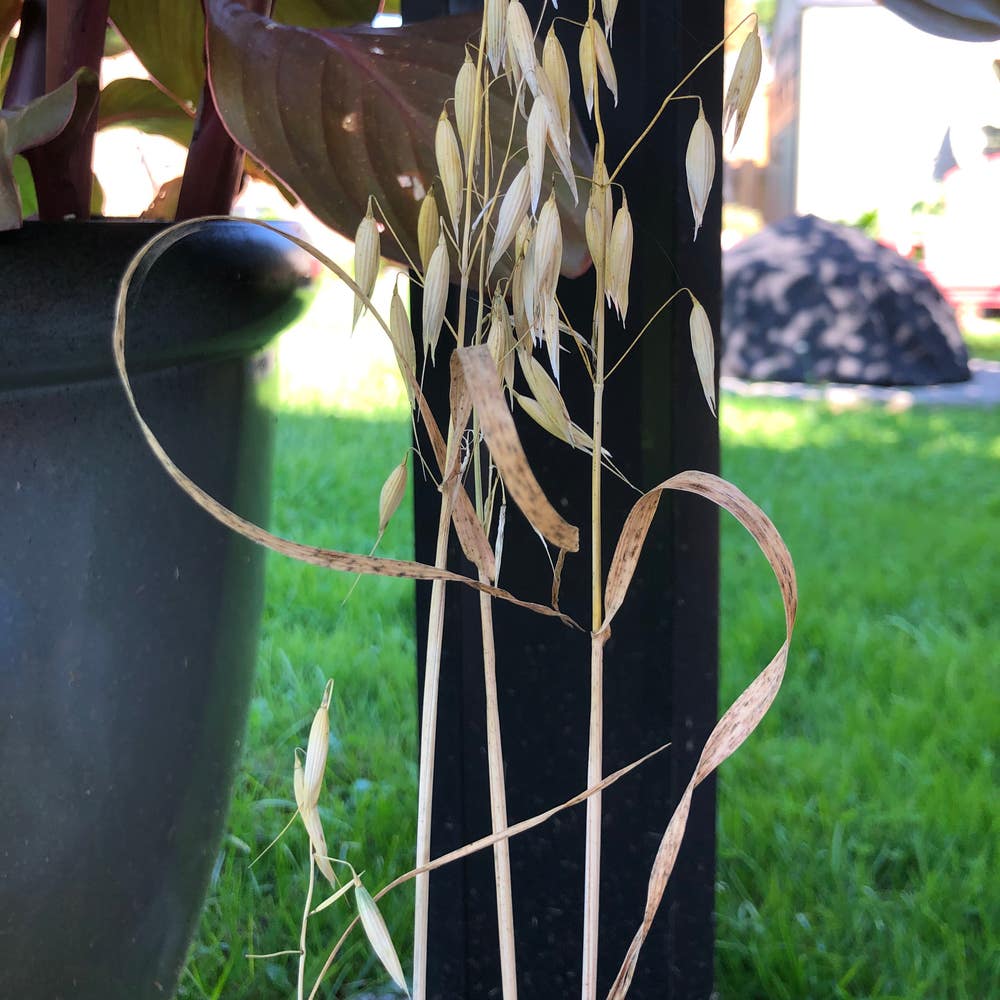
Fungal diseases often leave distinctive marks on your Umbrella Sedge. Leaf spot and rust are common offenders, with symptoms like irregular brown patches or rusty-looking pustules.
🕵️ How to Spot Them
Look for spots with sharp edges or a yellow halo. These are clear indicators of fungal activity.
🌿 Environmental Stress Signals
Environmental factors can also cause brown spots. Sun scorch, over or under-watering, and poor drainage are typical stressors.
👀 Recognizing the Signs
Sunburned leaves often have a uniform appearance, while water stress shows up as distinct patterns on the leaf edges.
🌱 Nutrient Needs Neglected
Nitrogen and other nutrients are vital for plant health. A deficiency can lead to a variety of spot patterns.
🔍 Spotting the Signs
Rusty spots may indicate a nutrient imbalance. Yellow halos or concentric rings around brown spots are red flags for fungal issues.
First Aid for Your Sedge
🍄 Battling Fungus Among Us
Choosing the right fungicide is like picking the best tool for a job. Start with organic options; they're gentle and can prevent the fungus from spreading. A simple homemade mix might do the trick. Combine ½ teaspoon of baking soda and one teaspoon of liquid soap in a gallon of water, and spray thoroughly every two weeks. If that doesn't cut it, escalate to copper-based fungicides or an all-purpose fungicide, following the label to a T.
Application tips are crucial. Coat both the tops and bottoms of leaves, and apply at the first sign of trouble. Rotate products to avoid fungal resistance – think of it as changing your passwords regularly.
🌿 Easing Environmental Stress
Adjusting light, water, and soil conditions can be a game-changer. If your Umbrella Sedge is getting too much sun, move it to a shadier spot. Overwatering? Let the top inch of soil dry out before watering again. Poor drainage? Make sure your pot has large holes and consider a well-draining potting mix.
Repotting might be necessary when roots have outgrown their space. Choose a container 2 inches larger with fresh potting mix to give your sedge a new lease on life.
🌱 Fixing the Feed
Soil testing is like a health check-up for your plant. It can reveal nutrient deficiencies that need addressing. If nitrogen or potassium is lacking, supplement with a balanced fertilizer, like a 10-10-10 mix, but don't overdo it. Over-fertilization can cause more harm than good.
Creating a balanced feeding schedule is key. Fertilize in spring to support new growth, and consider using organic options like compost for a nutrient boost that also improves soil health. Remember, a well-fed plant is a strong plant.
Keeping Brown Spots at Bay
🕵️ Routine Checks and Balances
Regular inspections are crucial for a healthy Umbrella Sedge. Like checking your phone, make it a habit to scrutinize your plant for early signs of distress. Sterilize your gardening tools to prevent the spread of disease. Ensure proper airflow; your plant needs to breathe, not suffocate in still air. Spot pests? Quarantine and treat without delay.
🌱 Proactive Plant Parenting
Seasonal adjustments in care are non-negotiable. Your plant's needs change with the weather, so should your care strategy. Overfeeding is a no-go; opt for balanced, diluted fertilizer only during growth spurts. If brown spots persist, it's time to consult a professional. They're like plant therapists, sometimes you need an expert opinion.
⚠️ Safety First
This content is for general information and may contain errors, omissions, or outdated details. It is not medical, veterinary advice, or an endorsement of therapeutic claims.
Always consult a qualified healthcare professional before using any plant as food, medicine, or supplement.
Never eat any plant (or feed one to pets) without confirming its identity with at least two trusted sources.
If you suspect poisoning, call Poison Control (800) 222-1222, the Pet Poison Helpline (800) 213-6680, or your local emergency service immediately.
Spotted an error? Please report it here.
Eradicate brown spots 🍂 on your Umbrella Sedge with ease by letting Greg's PlantVision diagnose the issue and tailor your plant's care, ensuring a vibrant and spot-free growth.