☂️ Why Are My Umbrella Sedge Leaves Mushy?
Cyperus eragrostis
By the Greg Editorial Team
Mar 12, 2024•4 min read
This article was created with the help of AI so we can cover more plants for you. May contain errors. See one? Report it here.
- Overwatering leads to mushy leaves; let soil dry out slightly.
- 🍄 Fungal infections cause mushiness; use fungicides and remove affected parts.
- Well-draining soil and proper location are key to healthy Umbrella Sedge.
When Too Much Water is a Bad Thing
💦 Spotting the Signs of Waterlogged Roots
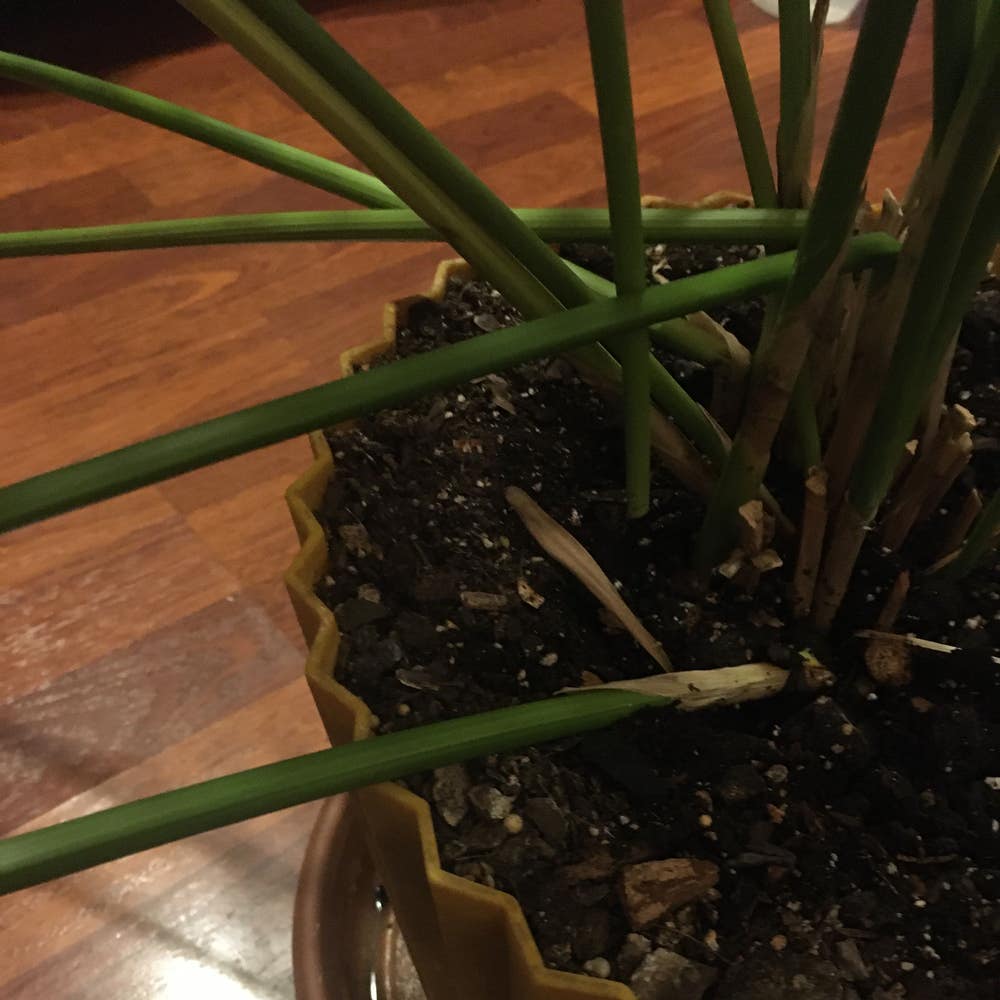
Mushy leaves on your Umbrella Sedge scream overwatering. If the soil feels wetter than a soaked sponge, you've gone too far. Wilting, despite the wetness, is a deceptive cry for help—it's not thirst, it's drowning. Root rot might be joining the party if you notice a foul smell or roots that resemble overcooked noodles.
🚱 Fixing the Soggy Situation
Adjust your watering habits before your plant's SOS becomes its swan song. Let the soil dry out a bit—think damp, not drenched. If the roots are brown and mushy, it's surgery time: snip the soggy bits. Upgrade to well-draining soil to avoid future waterlogged woes. Remember, moderation is key—a thin layer of mulch can help, but don't let it smother your plant's roots.
Fungal Foes: The Mushy Leaf Culprits
🍄 Recognizing Fungal Infections
Mushy leaves in Umbrella Sedge often point to fungal infections. Unlike simple overwatering, these infections come with distinct markers. Dark spots, a powdery residue, or lesions on leaves are telltale signs. Fungal villains like anthracnose and powdery mildew thrive in moisture-rich environments, turning lush green into mushy brown.
🛡️ Battling the Fungus Among Us
When it comes to fighting these infections, isolation is key. Move the infected plant away from its neighbors to halt the spread. Use sterilized scissors to snip off the affected areas—think precision, not pruning. Fungicides are your next line of defense. Whether you opt for a copper-based spray or a more natural remedy like sphagnum moss, application is crucial. Coat all areas of the plant, and stick to a strict schedule, typically every two weeks. Remember, rotation is crucial; using the same fungicide repeatedly can lead to resistant fungi. Keep the soil on the drier side to avoid giving these unwelcome guests a place to party.
The Balancing Act: Watering Your Umbrella Sedge Right
💧 Goldilocks' Guide to Moisture
Achieving the just-right watering balance for your Umbrella Sedge is crucial. Overwatering leads to mushy leaves, while underwatering can cause the plant to dry out.
How to Achieve Just-Right Watering
Water your Umbrella Sedge when the top inch of soil feels dry to the touch. This method mimics the natural wet-dry cycle, promoting healthy root growth. Consistency is key; erratic watering can stress the plant.
Tools and Techniques for Monitoring Soil Moisture
Moisture meters provide a precise reading of soil wetness, eliminating guesswork. For a low-tech approach, the finger test is surprisingly effective—feel for soil that's damp, not soaked. Keep an eye on your plant's response after watering to fine-tune your technique.
Soil and Site: Setting Up for Success
🌱 Choosing the Right Soil Mix
Well-draining soil is essential for the health of your Umbrella Sedge. To prevent the dreaded mushy leaves, aim for a mix that allows water to pass through easily, yet retains enough moisture to keep the plant hydrated. A blend of peat moss, perlite, and coarse sand strikes the right balance. This trio works like a charm, providing the snug but not soggy environment your plant craves.
Remember, it's not just about avoiding waterlogged soil; it's about creating a home where roots can breathe and thrive. Think of it as setting up a good drainage system in a house—essential and utterly non-negotiable.
🏡 Location, Location, Location
Choosing the right spot for your Umbrella Sedge is as crucial as the soil it sits in. You're looking for a Goldilocks zone—not too sunny, not too shady. A place where the humidity is high enough to keep the sedge happy, but with enough light to prevent the gloom of constant dampness.
Pay attention to the microclimates in your space. Avoid areas where water tends to collect or where heavy clay soil could spell disaster. If indoors, ensure the pot has drainage holes and isn't too large; it's like choosing a house with a good plumbing system. Outdoors, look for a spot that offers good drainage and is protected from harsh winds that could dry out the soil too quickly.
By getting the soil mix and location just right, you're setting your Umbrella Sedge up for success, sidestepping the mushy leaf mayhem and paving the way for lush, healthy growth.
⚠️ Safety First
This content is for general information and may contain errors, omissions, or outdated details. It is not medical, veterinary advice, or an endorsement of therapeutic claims.
Always consult a qualified healthcare professional before using any plant as food, medicine, or supplement.
Never eat any plant (or feed one to pets) without confirming its identity with at least two trusted sources.
If you suspect poisoning, call Poison Control (800) 222-1222, the Pet Poison Helpline (800) 213-6680, or your local emergency service immediately.
Spotted an error? Please report it here.
Avoid the mushy-leaf mishap in your Umbrella Sedge by letting Greg's PlantVision 🌱 guide you to the perfect watering rhythm and soil conditions for plant prosperity.