What to Do About Droopy Leaves on Your Chufa 😢
Cyperus eragrostis
By the Greg Editorial Team
Nov 08, 2024•5 min read
This article was created with the help of AI so we can cover more plants for you. May contain errors. See one? Report it here.
- 🌱 Droopy leaves indicate issues like overwatering, underwatering, or nutrient deficiencies.
- 💧 Overwatering causes root rot, while underwatering leads to wilting and limp leaves.
- 🐛 Pests weaken chufa plants, so monitor regularly for early signs of infestation.
Common Causes of Droopy Leaves
Droopy leaves on your chufa can be a sign of several underlying issues. Understanding these causes is crucial for restoring your plant's health.
💧 Overwatering
One of the most common culprits is overwatering. Excess moisture can lead to root rot, which suffocates the roots and causes leaves to droop.
🚰 Underwatering
On the flip side, underwatering can also result in droopy leaves. When the plant lacks sufficient water, it wilts, making the leaves appear limp and lifeless.
🍽️ Nutrient Deficiencies
Nutrient deficiencies, particularly in nitrogen and potassium, can significantly impact leaf health. Without these essential nutrients, your chufa may struggle, leading to droopy leaves.
🐛 Pest Infestations
Pests like aphids and root weevils can weaken your plant, causing droopiness. These pests not only damage the leaves but can also hinder overall growth.
Symptoms to Look for in Droopy Leaves
Identifying droopy leaves is just the first step; recognizing accompanying symptoms is essential for diagnosis.
🌿 Leaf Wilting
Wilting leaves are a clear indicator that something is wrong. They lose turgor, appearing limp and droopy.
🎨 Color Changes
Watch for color changes in the leaves. Yellowing or browning at the edges often signals distress, whether from water issues or nutrient deficiencies.
📉 Stunted Growth
If your chufa's growth seems stunted, it’s likely related to droopy leaves. A decrease in overall vigor often accompanies this symptom.
🐞 Presence of Pests
Finally, keep an eye out for pests. Visible insects or damage on the leaves can indicate an infestation that needs immediate attention.
Recognizing these causes and symptoms will help you take the right steps to revive your chufa. Next, we’ll explore how to diagnose the problem effectively.
Diagnosing the Problem
🌱 Assessing Soil Moisture Levels
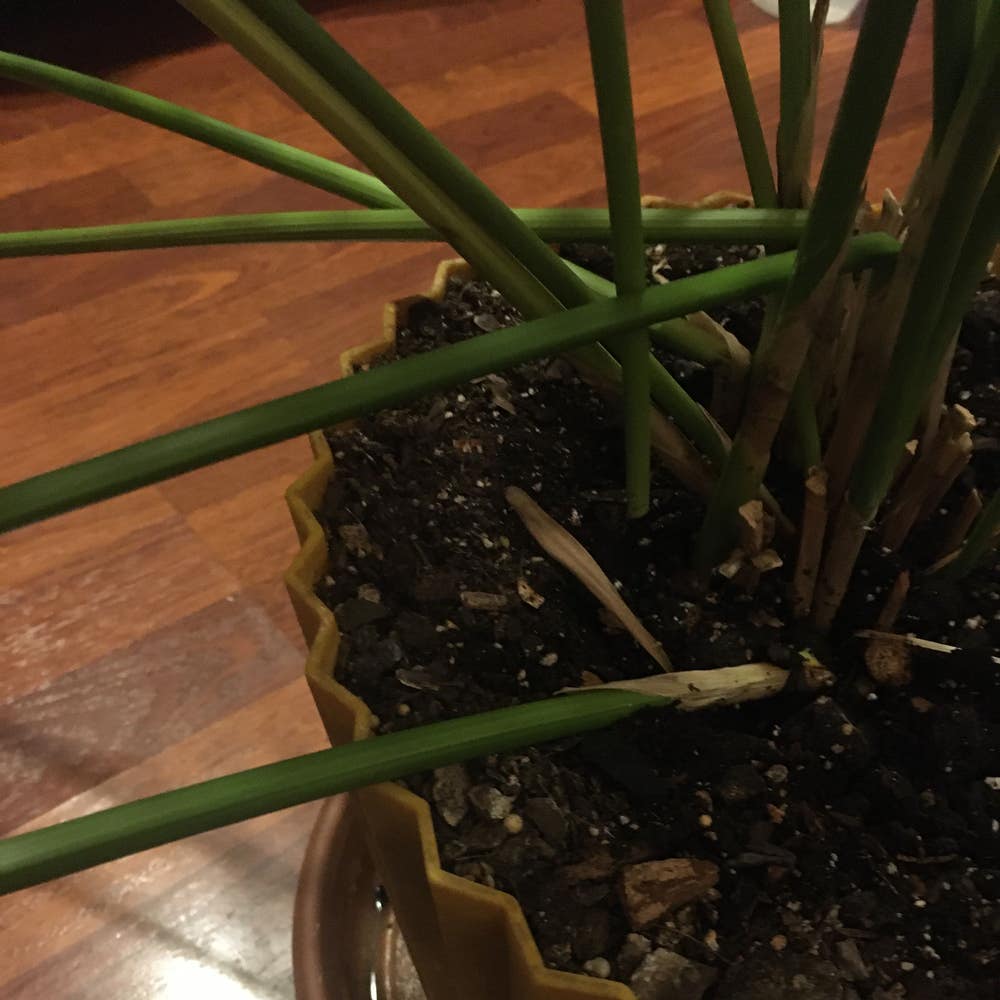
To effectively diagnose droopy leaves on your chufa, start by checking the soil moisture. You can use a moisture meter or simply dig your fingers into the soil.
The ideal moisture level means the soil should feel consistently moist but not waterlogged. If you notice soggy soil, a foul odor, or mushy roots, these are signs of overwatering. Conversely, dry, crumbly soil and a hard, compacted root zone indicate underwatering.
🥦 Identifying Nutrient Deficiencies
Next, look for signs of nutrient deficiencies. A nitrogen deficiency often manifests as yellowing leaves, especially in the older foliage.
Potassium deficiency, on the other hand, typically shows up as browning and drooping leaf edges. To get a clear picture of your soil's nutrient levels, consider conducting a soil test to determine both nutrient content and pH.
🐛 Checking for Pest Infestations
Pest infestations can also lead to droopy leaves, so inspect your plants closely. Look for common pests like aphids and root weevils, as well as any visible damage.
Assess the damage by checking for holes, discoloration, or sticky residue on the leaves. Regular monitoring is crucial, especially during peak pest seasons, to catch any infestations early and take appropriate action.
By diagnosing these issues, you can take the necessary steps to revive your chufa and keep it thriving.
Solutions for Droopy Leaves
🌊 Adjusting Watering Practices
Establishing a consistent watering schedule is crucial for your chufa's health. Monitor soil moisture levels regularly to ensure your plant receives just the right amount of water.
Using the Greg plant care app can help you stay on track with AI-powered reminders for watering. This tool can be a game-changer in preventing overwatering or underwatering.
Don't forget to ensure proper drainage in your pots or garden beds. Good drainage prevents waterlogging, which is essential for keeping your chufa thriving.
🌱 Fertilizing for Nutrient Balance
Choosing a balanced fertilizer is key to providing your chufa with the nutrients it needs. Look for one that contains adequate nitrogen and potassium to support healthy growth.
Apply fertilizer according to soil test recommendations for the best results. This tailored approach ensures your plant gets exactly what it needs without the risk of over-fertilization.
Timing is also important; fertilize during the growing season for optimal nutrient uptake. This will help your chufa flourish when it needs nutrients the most.
🐛 Pest Management Strategies
For pest control, consider organic options like neem oil or insecticidal soap to tackle aphids effectively. These methods are gentle on your plants while being tough on pests.
Implement physical barriers, such as row covers, to protect against root weevils. This simple step can save your chufa from potential damage.
Regular monitoring is essential to catch any pest re-infestation early. Make it a habit to inspect your plants frequently, especially during peak pest seasons.
With these solutions in place, your chufa will be well on its way to vibrant health. Next, let’s explore some preventative measures to keep your plants thriving year-round.
Preventative Measures
Best Practices for Care 🌱
Maintaining consistent soil moisture is crucial for healthy chufa plants. Regularly check the soil and adjust your watering practices to ensure it remains evenly moist.
Using mulch can be a game-changer. It helps retain soil moisture and suppresses weeds, creating a more stable environment for your plants.
Crop rotation is another effective strategy. This practice prevents soil nutrient depletion and reduces the risk of pest buildup, keeping your chufa thriving.
Seasonal Adjustments for Optimal Growth 🌸
As spring arrives, it's time to increase your watering. Warmer temperatures mean your plants will need more moisture to support their growth.
During the summer, keep a close eye on pests. Adjust your irrigation based on rainfall to avoid overwatering during wet spells.
As fall approaches, prepare your chufa for dormancy. Gradually reduce watering to help the plants transition smoothly into the cooler months.
Monitoring Environmental Conditions 🌡️
Temperature plays a vital role in plant health. Aim to keep your chufa in optimal temperature ranges between 15°C to 30°C (59°F to 86°F).
Humidity levels also matter. Maintaining moderate humidity can prevent stress on your plants, promoting better growth and resilience.
Lastly, ensure your chufa receives adequate sunlight. Aim for at least 6 hours of sunlight daily to keep your plants energized and thriving.
By implementing these preventative measures, you can foster a healthy environment for your chufa plants, reducing the likelihood of droopy leaves and other issues. Next, let’s explore how to diagnose specific problems when they arise.
⚠️ Safety First
This content is for general information and may contain errors, omissions, or outdated details. It is not medical, veterinary advice, or an endorsement of therapeutic claims.
Always consult a qualified healthcare professional before using any plant as food, medicine, or supplement.
Never eat any plant (or feed one to pets) without confirming its identity with at least two trusted sources.
If you suspect poisoning, call Poison Control (800) 222-1222, the Pet Poison Helpline (800) 213-6680, or your local emergency service immediately.
Spotted an error? Please report it here.
Keep your chufa vibrant and droop-free 🌱 by using Greg's tailored reminders and expert tips to master watering and pest control!