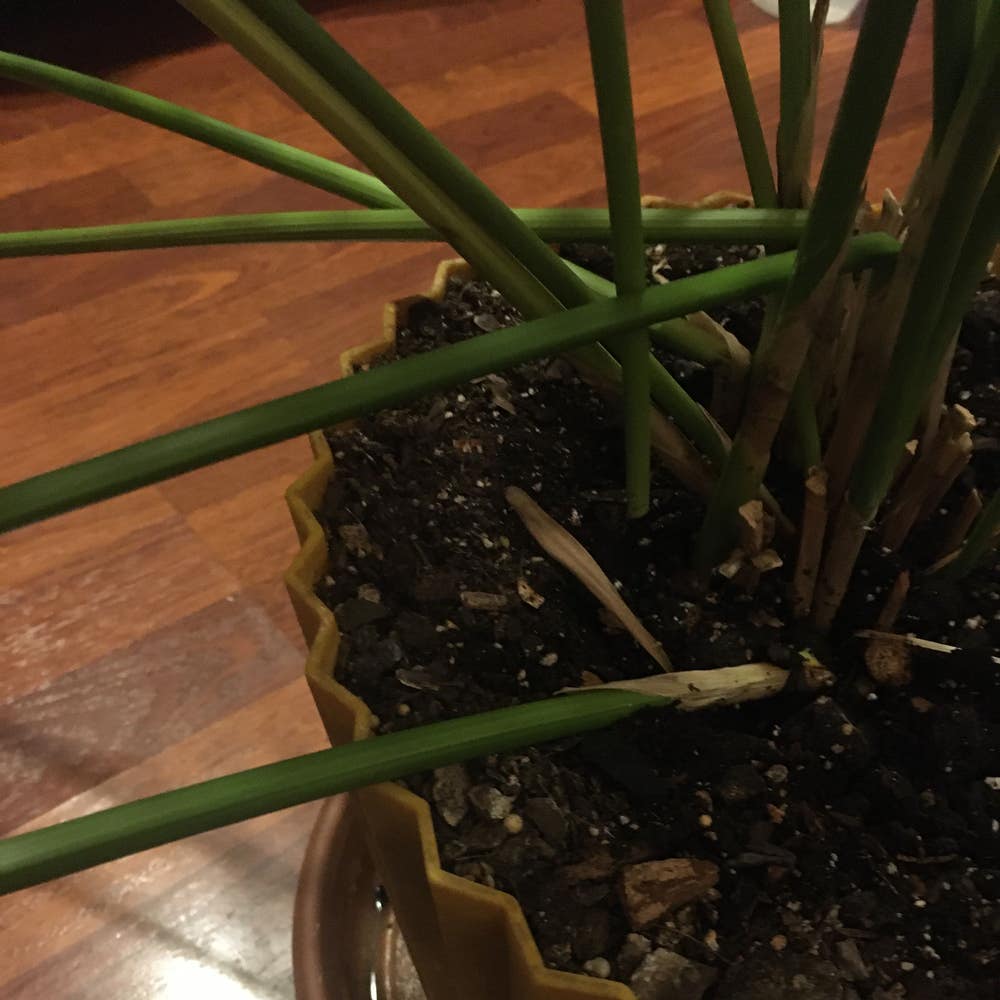
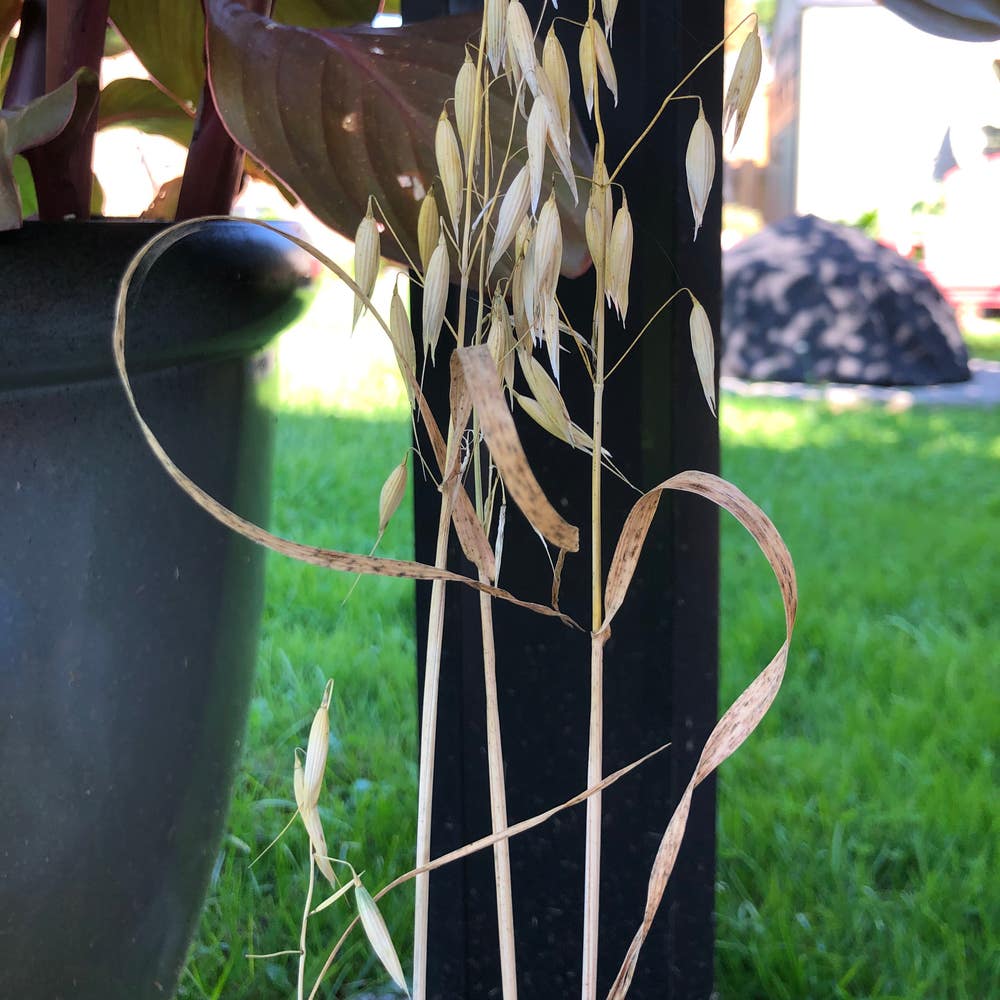
🍂 Understanding Why Your Chufa Has Yellow Leaves
Cyperus eragrostis
By the Greg Editorial Team
Nov 08, 2024•4 min read
This article was created with the help of AI so we can cover more plants for you. May contain errors. See one? Report it here.
- 🌱 Chufa needs well-drained, sandy loam soil with a pH of 6.0-7.0 for health.
- ☀️ Yellow leaves signal insufficient sunlight; ensure 6-8 hours of direct light daily.
- 💧 Deep, infrequent watering promotes root growth; monitor moisture levels regularly.
Diagnosing the Problem
Assessing Soil Quality and pH Levels 🌱
To ensure your Chufa thrives, start with the right soil. Chufa prefers well-drained, sandy loam soil with a pH between 6.0 and 7.0.
Testing your soil's pH is crucial. You can use a soil pH meter or a test kit for accurate results. If adjustments are needed, adding lime will raise the pH, while sulfur can help lower it.
Evaluating Watering Practices 💧
Next, check your watering practices. Use a moisture meter or perform a simple finger test by inserting your finger 1-2 inches into the soil to gauge moisture levels.
Adjust your watering frequency accordingly. Water deeply but infrequently to promote deep root growth, and always monitor weather conditions to make necessary adjustments.
Checking for Adequate Sunlight Exposure ☀️
Sunlight is vital for Chufa's health. It requires full sun, meaning 6-8 hours of direct sunlight daily.
Watch for signs of insufficient light, such as plants stretching towards light sources or developing pale yellow leaves. These indicators can help you determine if your Chufa is getting the light it needs.
By diagnosing these key areas—soil quality, watering practices, and sunlight exposure—you can effectively address the yellowing leaves of your Chufa. Next, let’s explore solutions to restore its vibrant health.
Solutions for Yellow Leaves
🌱 Nutrient Supplementation Methods
Yellow leaves on your Chufa can often signal nutrient deficiencies. To combat this, consider using a balanced fertilizer, specifically one with an NPK ratio of 10-10-10, during the growing season.
For those leaning towards organic gardening, compost or well-rotted manure can work wonders. These options not only enrich the soil but also promote a healthy ecosystem around your plants.
When it comes to timing, apply fertilizers every 4-6 weeks. This regular feeding schedule helps maintain nutrient levels, ensuring your Chufa thrives.
💧 Adjusting Watering Techniques
Watering practices play a crucial role in plant health. Establish a watering schedule that suits your local climate—typically, watering every 1-2 weeks is ideal, depending on rainfall and soil moisture levels.
Improving drainage is equally important. Incorporate organic matter into the soil to enhance drainage capabilities. If drainage issues persist, consider using raised beds to provide your Chufa with the ideal growing conditions.
🐞 Pest Control Strategies
Pests can be a hidden threat to your Chufa's health. Regularly inspect your plants for any signs of infestation, such as discolored leaves or visible bugs.
If you spot pests, treatments like insecticidal soap or neem oil can effectively manage the situation. Additionally, introducing beneficial insects, like ladybugs, can help control aphid populations naturally.
By implementing these solutions, you can address the yellowing leaves on your Chufa and promote a healthier, more vibrant plant. Next, let’s explore some preventative measures to keep your Chufa thriving all season long.
Preventative Measures
Best Practices for Chufa Care 🌱
To ensure your Chufa thrives, start with proper soil preparation. Amending the soil with organic matter before planting enriches it, providing essential nutrients for robust growth.
Regular fertilization is also key. Maintaining nutrient levels throughout the growing season helps prevent deficiencies that can lead to yellow leaves.
Seasonal Adjustments for Optimal Growth 🌸
Spring is the perfect time to prepare your soil and plant tubers. Wait until after the last frost to give your Chufa the best chance to establish itself.
During summer, keep a close eye on your plants. Monitor for pests and diseases, and adjust your watering schedule as needed to keep your Chufa healthy.
Regular Monitoring and Maintenance Tips 🔍
Weekly inspections are crucial for early detection of issues. Check for yellowing leaves, pests, and soil moisture to catch problems before they escalate.
Additionally, maintain a log of your watering, fertilization, and any observed issues. This record-keeping will help you track your plant's health over time and make informed adjustments.
By following these preventative measures, you can cultivate a thriving Chufa crop that stays vibrant and productive. Next, let's explore solutions for addressing yellow leaves when they do appear.
⚠️ Safety First
This content is for general information and may contain errors, omissions, or outdated details. It is not medical, veterinary advice, or an endorsement of therapeutic claims.
Always consult a qualified healthcare professional before using any plant as food, medicine, or supplement.
Never eat any plant (or feed one to pets) without confirming its identity with at least two trusted sources.
If you suspect poisoning, call Poison Control (800) 222-1222, the Pet Poison Helpline (800) 213-6680, or your local emergency service immediately.
Spotted an error? Please report it here.
Revive your Chufa's health and banish yellow leaves 🌱 with Greg's tailored reminders for watering, fertilization, and pest management to keep your plant thriving!