Best Soil Potting Mix for Umbrella Sedge
Cyperus eragrostis
By the Greg Editorial Team
Mar 12, 2024•4 min read
This article was created with the help of AI so we can cover more plants for you. May contain errors. See one? Report it here.
- Mold and compaction harm roots, use coarse sand or perlite for health.
- Moisture balance is key, with peat moss or coconut coir for retention.
- Test and adjust soil pH to meet Umbrella Sedge's specific needs.
Spotting Trouble: Unhealthy Soil Signs
🦠 Mold and Mildew Menace
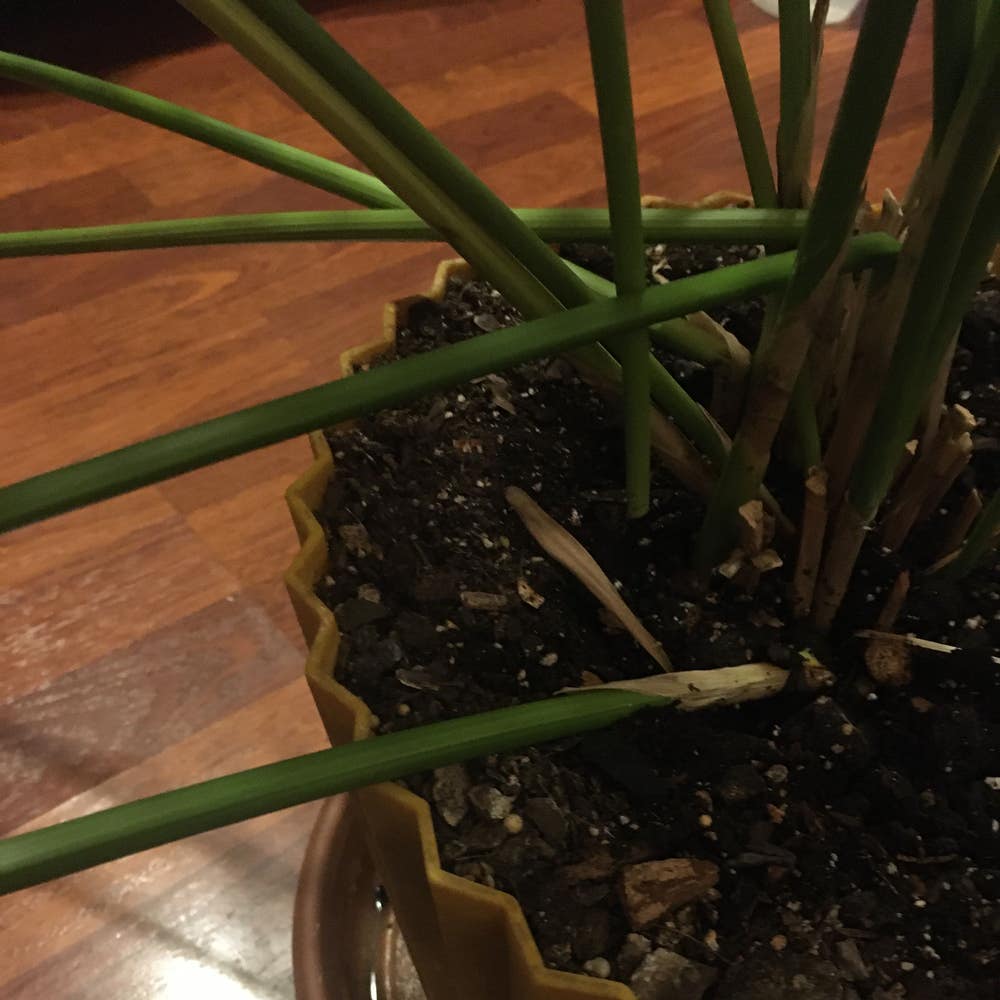
Mold on your Umbrella Sedge's soil is a red flag. It's not just unsightly; it's a nutrient thief. A fuzzy or slimy layer on the soil surface, or a musty odor, means it's time for some soil first aid.
💧 Water Woes
Waterlogged or compacted soil is like tight shoes for your plant's roots—they can't breathe. If the soil feels more like a soggy sponge than a moist crumbly cake, you've got a problem. Yellow leaves or stunted growth are your plant's way of saying, "Help!"
Fixing the Soil Faux Pas
🍄 Mold Management
Mold in your Umbrella Sedge's soil is a red flag, signaling too much moisture and poor air circulation. To prevent mold, ensure you're not overwatering and that the soil can breathe. If you spot the telltale fuzz, scrape it off and let the soil dry out. Boost air flow around your plant and consider a switch to a sterile potting mix if the problem persists.
🌬️ Soil Aeration Techniques
Compacted soil is a no-go for Umbrella Sedge. It needs room to stretch its roots. Loosen up the soil by mixing in coarse sand or perlite, which also aids in drainage. Check that your pot has adequate drainage holes to prevent water from getting too cozy. If you find roots taking a hit from compaction, give them a trim. And remember, consistent watering habits can prevent a world of soil sins.
Crafting the Perfect Soil Potting Mix
💧 Moisture Maestros
Peat moss and coconut coir are the hydration heroes of soil mixes. They lock in moisture, ensuring that Umbrella Sedge roots stay quenched without getting waterlogged. Peat moss, in particular, is a pH leveler, keeping the soil environment stable and plant-friendly.
🚰 Drainage Dynamos
For optimal drainage, perlite or sand are your go-to additives. They prevent the dreaded swamp scenario by creating space for air and water flow. This means roots can breathe easy and excess moisture has an escape route, reducing the risk of rot.
🍽️ Nutrient Necessities
A sprinkle of organic matter gives your soil mix a nutrient kick. Compost, worm castings, or decomposed pine bark fines enrich the soil, offering a buffet of nutrients to your Umbrella Sedge. Just enough to feed, not overwhelm.
Choosing Commercial Soil Mixes Wisely
🌱 What to Look for in Store-Bought Mixes
Drainage is king. Your Umbrella Sedge's roots should never swim. Look for a mix boasting perlite or pumice to ensure that lifeline. Aeration is a close second; roots need air, not just space. Organic content is your silent ally—enough to nourish, not enough to choke. And for the love of green, check for organic certifications if your conscience leans eco-friendly. Practicality isn't lost here; resealable bags are more than just handy—they keep your mix fresh.
🏷️ Brand Breakdown
Eco-Friendly Mix: It's not just about being green; it's about growth. A mix with a mycorrhizal inoculant can be a game-changer for root development. Indoor Potting Mix: A favorite for its drainage prowess, thanks to coconut coir, and a no-compost, no-bark formula that says 'no' to gnats. Organic African Violet Potting Mix: Don't let the name fool you; it's a versatile choice that balances moisture and pH like a pro. Cactus Palm Citrus Mix: Ready-to-use and well-draining, it's for those who prefer to keep things simple. Remember, the best mix might still need a personal touch—don't hesitate to add a sprinkle of personality.
Balancing Act: The pH Factor
🧪 Testing the Waters
Soil pH is crucial for your Umbrella Sedge. To test, you can't beat a home kit or digital pH meter. Stick it in, get the reading, and no, eyeballing won't cut it.
pH Perfection
Got your pH number? Time to act. Too acidic? A sprinkle of lime should do. If it's too alkaline, mix in some sulfur or peat moss. Remember, patience is key; these amendments take time. Regular retesting is your new hobby—soil pH can be as fickle as your mood on a Monday morning. If you're using tap water, check its pH too; it's notorious for throwing curveballs. And if you're all in, consider Dolomite Lime for the long game—it's the pH stabilizer of champions.
⚠️ Safety First
This content is for general information and may contain errors, omissions, or outdated details. It is not medical, veterinary advice, or an endorsement of therapeutic claims.
Always consult a qualified healthcare professional before using any plant as food, medicine, or supplement.
Never eat any plant (or feed one to pets) without confirming its identity with at least two trusted sources.
If you suspect poisoning, call Poison Control (800) 222-1222, the Pet Poison Helpline (800) 213-6680, or your local emergency service immediately.
Spotted an error? Please report it here.
Cultivate a lush Umbrella Sedge with the ideal soil mix and thrive 🌿 with Greg's personalized reminders for watering and soil pH checks.