How to Cure Leaves Falling Over on Your Chufa
Cyperus eragrostis
By the Greg Editorial Team
Nov 08, 2024•3 min read
This article was created with the help of AI so we can cover more plants for you. May contain errors. See one? Report it here.
- 🌱 Check soil moisture regularly; both soggy and dry soil cause leaf droop.
- 🟡 Monitor leaf color for nutrient deficiencies or pests; yellowing indicates stress.
- 🌞 Adjust environmental conditions like temperature and sunlight for healthier chufa growth.
Curing Leaf Droop
🌱 Step-by-Step Guide to Diagnosing the Issue
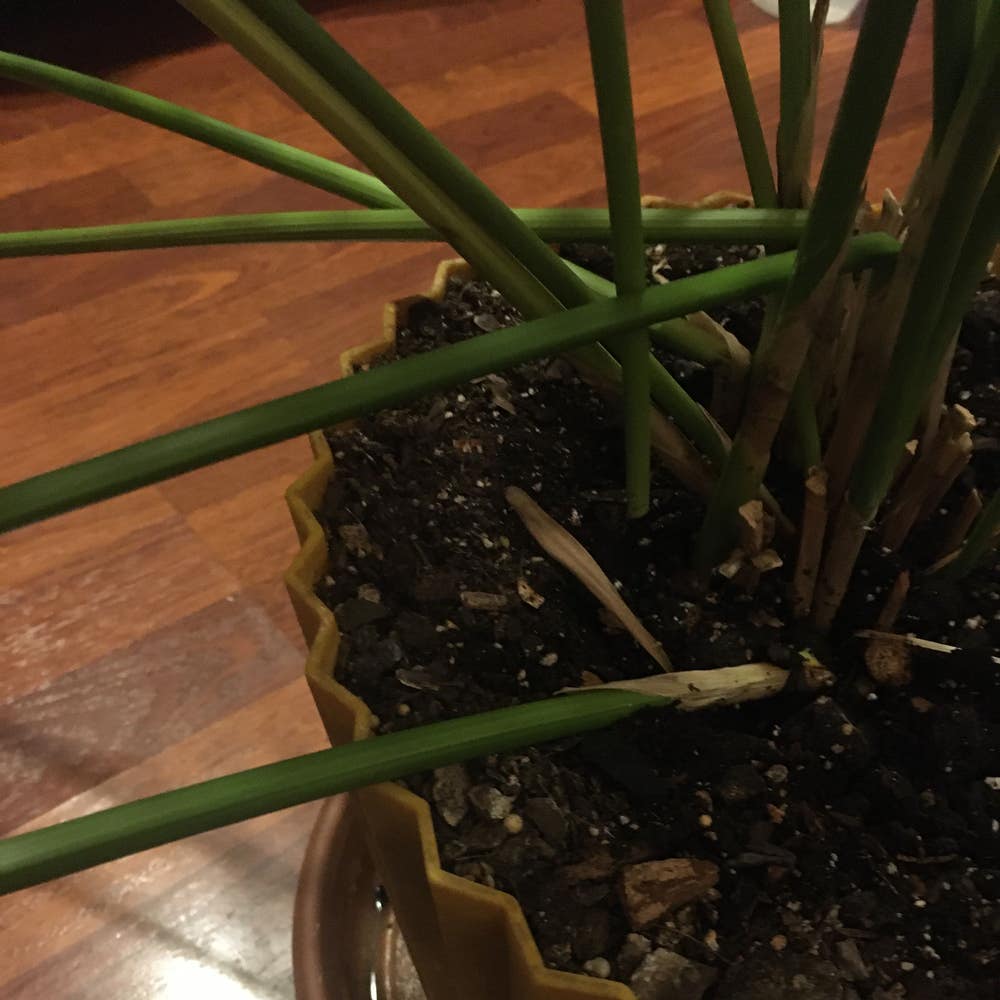
Diagnosing leaf droop in your chufa starts with a close inspection of soil moisture. Check if the soil is soggy or dry; both extremes can lead to drooping leaves.
Next, examine the color and texture of the leaves. Yellowing or browning may indicate nutrient deficiencies or pest infestations.
Finally, assess the environmental conditions. Evaluate temperature and sunlight exposure to ensure your chufa is thriving in the right climate.
💧 Adjusting Watering Practices
To keep your chufa healthy, water it 1-2 times per week, adjusting based on soil moisture levels. The soil should feel moist but not waterlogged to promote healthy growth.
For effective watering, consider using drip irrigation or soaker hoses. These techniques deliver water directly to the roots, minimizing waste and ensuring even moisture distribution.
🌿 Fertilization Techniques to Support Healthy Growth
Using a balanced NPK fertilizer, such as 10-10-10, can significantly boost your chufa's health. Apply fertilizers in early spring and mid-summer for optimal results.
Always follow the dosage guidelines on the package to avoid over-fertilization. This ensures your plants receive the nutrients they need without the risk of burning their roots.
🐛 Pest Management Strategies
Common pests like aphids and root weevils can wreak havoc on your chufa. Identifying these pests early is crucial for effective management.
For organic control, consider using neem oil or insecticidal soap. Regular inspections and maintaining overall plant health can help prevent infestations before they start.
By following these steps, you can effectively address leaf droop and promote a thriving chufa garden. Next, let’s explore how to prevent future leaf droop with best practices for chufa care.
Preventing Future Leaf Droop
🌱 Best Practices for Chufa Care
To keep your chufa healthy, regular monitoring is essential. Check for signs of stress, such as yellowing leaves or drooping, at least once a week.
Proper spacing between plants is crucial for good air circulation. This helps prevent diseases and allows each plant to thrive without competition for resources.
Mulching is another effective strategy. Using organic mulch not only retains moisture but also suppresses weeds, giving your chufa the best chance to grow strong.
🍂 Seasonal Adjustments for Maintenance
Adjust your care routine with the seasons. In spring, focus on fertilization and soil preparation to kickstart growth.
During summer, increase your watering frequency and keep an eye out for pests. This proactive approach will help maintain healthy plants.
As fall approaches, prepare your chufa for dormancy. Gradually reduce watering to help the plants acclimate to cooler temperatures.
🏵️ Soil Health and Amendments
Healthy soil is the foundation of robust chufa plants. Aim for a well-drained, sandy loam that promotes healthy root development.
The ideal soil pH for chufa is between 6.0 and 7.0. This range ensures optimal nutrient uptake, which is vital for growth.
Consider adding amendments like compost or well-rotted manure. These organic materials improve soil fertility and structure, giving your chufa the nutrients it needs to flourish.
By implementing these best practices and seasonal adjustments, you can effectively prevent future leaf droop and ensure your chufa remains healthy and productive. Next, we’ll explore how to tackle specific issues that may arise during the growing season.
⚠️ Safety First
This content is for general information and may contain errors, omissions, or outdated details. It is not medical, veterinary advice, or an endorsement of therapeutic claims.
Always consult a qualified healthcare professional before using any plant as food, medicine, or supplement.
Never eat any plant (or feed one to pets) without confirming its identity with at least two trusted sources.
If you suspect poisoning, call Poison Control (800) 222-1222, the Pet Poison Helpline (800) 213-6680, or your local emergency service immediately.
Spotted an error? Please report it here.
Keep your chufa thriving and leaf droop-free 🌱 with Greg's tailored care reminders and expert tips that ensure your plants get the right moisture, nutrients, and attention they need!