Best Tips for Dealing with Leaves Falling Over on Carnation 🍂
Dianthus caryophyllus
By the Greg Editorial Team
Oct 10, 2024•5 min read
This article was created with the help of AI so we can cover more plants for you. May contain errors. See one? Report it here.
- 💧 Overwatering and underwatering cause drooping leaves; check soil moisture regularly.
- 🌱 Nutrient deficiencies lead to pale leaves and stunted growth; identify symptoms early.
- 🐞 Pests like aphids can damage carnations; use organic methods for control.
Causes of Leaves Falling Over
💧 Overwatering and Its Effects
Overwatering can be detrimental to your carnations. Symptoms include yellowing leaves, mushy stems, and root rot.
This condition leads to a poor oxygen supply to the roots, causing significant stress to the plant. To maintain health, keep the soil slightly moist but never soggy.
🚰 Underwatering and Dehydration
On the flip side, underwatering can also cause leaves to fall over. Look for signs like wilting leaves, crispy edges, and drooping stems.
Prolonged dehydration can lead to permanent damage. Check soil moisture regularly and water when the top inch feels dry.
🍃 Nutrient Deficiencies
Nitrogen Deficiency
A lack of nitrogen manifests as pale green leaves and stunted growth. Nitrogen is essential for leaf development and overall plant vigor.
Potassium Deficiency
Potassium deficiency shows up as leaf tip burn and weak stems. This nutrient is vital for water regulation and helps plants resist stress.
🐛 Pest Infestations
Common Pests
Pests can wreak havoc on your carnations. Aphids are often indicated by curled leaves and sticky residue, while spider mites leave fine webbing and stippled leaves.
These pests weaken plants, leading to drooping leaves and overall decline in health.
🌡️ Environmental Stress
Temperature
Carnations thrive in an ideal temperature range of 15°C to 20°C (59°F to 68°F). Heat stress can cause wilting and leaf drop.
Humidity
Moderate humidity levels (40-60%) are best for these plants. Low humidity can result in dry, crispy leaves, further contributing to their decline.
Understanding these causes can help you take proactive steps to keep your carnations healthy and vibrant. Next, we’ll dive into how to diagnose these issues effectively.
Diagnosing the Problem
🚰 Signs of Overwatering vs. Underwatering
Identifying whether your carnation is overwatered or underwatered is crucial. Overwatering typically presents as yellowing leaves and soggy soil, while underwatering leads to wilting and dry soil.
🍽️ Identifying Nutrient Deficiency Symptoms
Nutrient deficiencies can significantly affect your plant's health. Pale leaves often indicate a nitrogen deficiency, whereas leaf tip burn suggests a potassium deficiency.
🐛 Recognizing Pest Damage on Leaves
Pests can wreak havoc on your carnations. Look for curling leaves as a sign of aphid infestations, and fine webbing or discoloration to spot spider mites.
🌡️ Assessing Environmental Conditions
Environmental factors play a vital role in plant health. Regularly check temperature and humidity levels, and evaluate light exposure and soil drainage to ensure optimal growing conditions.
By diagnosing these issues early, you can take proactive steps to restore your carnation's vitality. Next, we’ll explore effective treatment solutions to address these problems.
Treatment Solutions
Adjusting Watering Practices 🌊
To tackle overwatering, allow the soil to dry out completely before rewatering. This helps restore oxygen to the roots, promoting healthier growth.
For underwatering, gradually increase your watering frequency. Check the top inch of soil; if it feels dry, it’s time to hydrate your plant.
Fertilizing to Correct Deficiencies 🌱
Using liquid fertilizers can provide quick absorption for your carnations. Apply these during active growth periods to ensure your plants receive the nutrients they need.
Pest Control Methods 🐞
Organic Options
Consider using neem oil or insecticidal soap to manage aphid infestations. These options are effective and less harmful to beneficial insects.
Introducing ladybugs can also help control pest populations naturally. They love munching on aphids, providing a win-win for your garden.
Chemical Options
For severe infestations, systemic insecticides may be necessary. Always follow the label instructions carefully to ensure safe and effective application.
Providing Structural Support for Drooping Plants 🏗️
Using stakes or cages can provide the necessary support for drooping stems. This helps your plants maintain their shape and health.
Insert supports early to avoid damaging the roots. This proactive approach can save you from future headaches.
Environmental Adjustments 🌬️
To increase humidity, consider using a humidifier or pebble trays filled with water. This creates a more favorable environment for your carnations.
If temperatures rise, moving your plants to cooler areas can help prevent heat stress. Keeping your plants comfortable is key to their overall health.
With these treatment solutions, you can effectively address the issues causing your carnation leaves to fall over. Next, let’s explore how to monitor and maintain your plants for long-term success.
Monitoring and Maintenance
Regular Inspection of Leaves 🌿
Regularly inspecting your carnation leaves is crucial. Aim for weekly checks to spot any signs of stress or pest infestations early.
Early detection can save your plant from larger issues down the line. Catching problems early means you can act quickly, keeping your carnations healthy and vibrant.
Keeping a Care Journal for Tracking Changes 📓
Maintaining a care journal is a game-changer for plant enthusiasts. Record your watering schedule, fertilization, and any observed problems to keep track of your plant's health.
This practice helps identify patterns over time, allowing you to adjust care as needed. You'll be amazed at how much insight a simple journal can provide.
Importance of Pruning and Deadheading ✂️
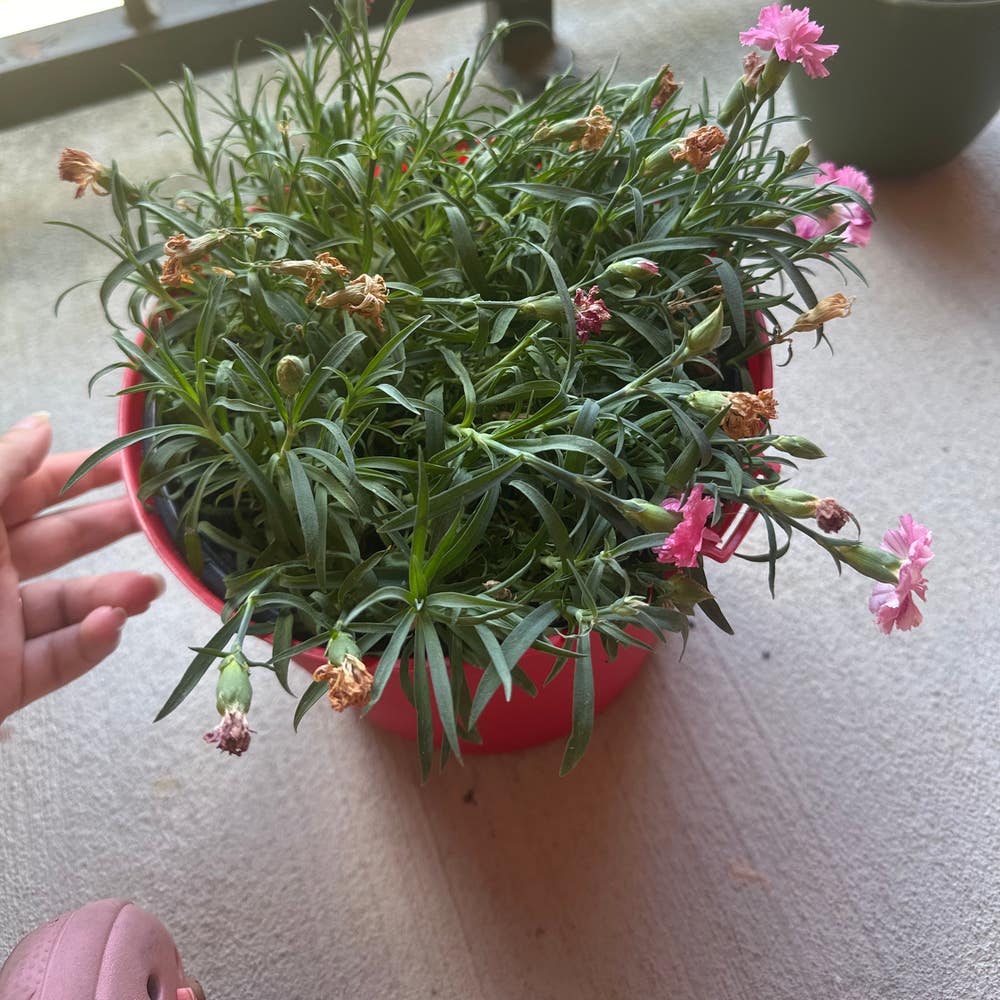
Pruning is essential for encouraging new growth and improving air circulation. Regularly removing dead or spent flowers, known as deadheading, promotes blooming and keeps your plant looking its best.
Incorporating these techniques into your routine can significantly enhance your carnation's health and appearance. With a little effort, you'll enjoy a flourishing display of blooms.
As you monitor and maintain your plants, remember that small adjustments can lead to big improvements. Next, let’s explore effective treatment solutions for any issues you might encounter.
⚠️ Safety First
This content is for general information and may contain errors, omissions, or outdated details. It is not medical, veterinary advice, or an endorsement of therapeutic claims.
Always consult a qualified healthcare professional before using any plant as food, medicine, or supplement.
Never eat any plant (or feed one to pets) without confirming its identity with at least two trusted sources.
If you suspect poisoning, call Poison Control (800) 222-1222, the Pet Poison Helpline (800) 213-6680, or your local emergency service immediately.
Spotted an error? Please report it here.
Keep your carnations blooming beautifully 🌸 by using Greg's tailored watering and care reminders to tackle overwatering, nutrient deficiencies, and pests with confidence!