Top 5 Tips to Prevent Your Border Carnation Wilting 💧
Dianthus caryophyllus
By the Greg Editorial Team
Sep 30, 2024•5 min read
This article was created with the help of AI so we can cover more plants for you. May contain errors. See one? Report it here.
- 💧 Water stress from over or underwatering is a primary cause of wilting.
- 🌞 Heat stress leads to crispy edges; provide shade and humidity for relief.
- 🕵️♂️ Regular monitoring of soil moisture is crucial to prevent wilting in Border Carnations.
Common Causes of Wilting Leaves
💧 Water Stress
Water stress is a common culprit behind wilting leaves in Border Carnations. Both overwatering and underwatering can lead to this issue, creating an imbalance that affects the plant's health.
Signs of water stress include drooping leaves, dry soil, or soggy roots. If you notice these symptoms, it's essential to assess your watering habits.
☀️ Heat Stress
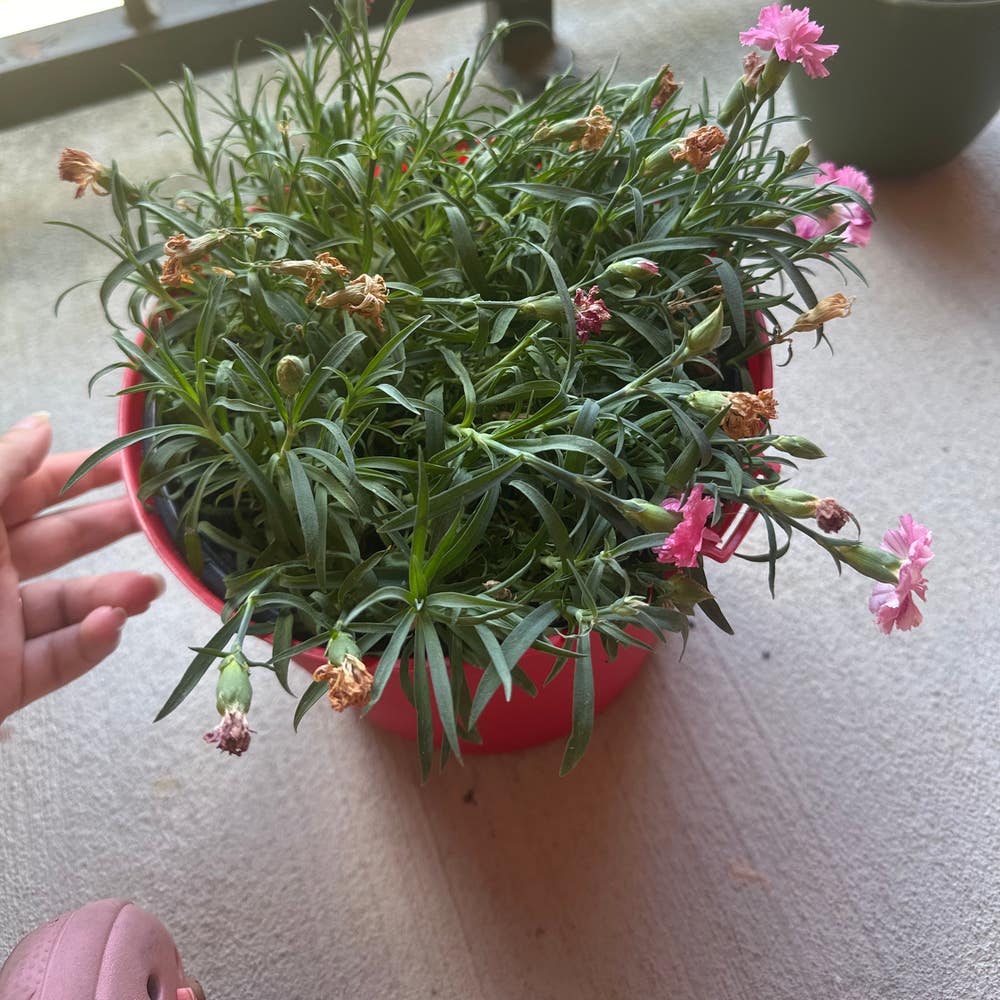
High temperatures can cause rapid moisture loss, leading to heat stress in your plants. During peak sun hours, you might see crispy leaf edges and wilting.
To combat heat stress, consider providing shade or increasing humidity around your plants. This can help them retain moisture and stay healthy.
🦠 Disease-Related Wilting
While various diseases can affect carnations, it's important to note that pathogenic wilt is unlikely to be the primary cause of wilting in Border Carnations. Common diseases may still lead to wilting, but they are often secondary issues.
Keep an eye out for unusual symptoms that could indicate disease. Early detection is key to managing any potential problems effectively.
Understanding these common causes of wilting leaves is crucial for maintaining the health of your Border Carnations. With this knowledge, you can take proactive steps to ensure your plants thrive.
Diagnosing Wilting
Step-by-Step Guide to Diagnose Wilting 🌱
Diagnosing wilting in your Border Carnation starts with assessing soil moisture. Check if the soil is dry or soggy, as both extremes can lead to stress.
Next, observe the environmental conditions. Take note of the temperature, sunlight exposure, and humidity levels around your plant.
Finally, inspect the leaves closely. Look for any discoloration, spots, or other signs that might indicate disease.
Signs to Look for in Wilting Leaves 👀
Pay attention to the leaf texture. Leaves that feel soft or crispy can signal underlying issues.
Color changes are also crucial. Yellowing or browning leaves often indicate stress or disease.
Additionally, assess the overall plant vigor. Stunted growth or a lack of blooms can be clear indicators that something is amiss.
By following these steps, you can effectively diagnose the cause of wilting and take appropriate action. Understanding these signs will set you on the right path to restoring your plant's health.
Solutions for Wilting
💧 Actionable Advice for Water Stress
To combat water stress, adjust your watering schedule. Water deeply but infrequently to encourage strong root growth.
Regular soil moisture checks are essential. Use a moisture meter or simply test with your finger to ensure the soil isn’t too dry or soggy.
☀️ Actionable Advice for Heat Stress
High temperatures can be tough on your Border Carnations. Provide shade during peak sun hours by using shade cloth or temporarily relocating your plants.
Increasing humidity can also help. Mist the leaves or place a pebble tray filled with water nearby to create a more favorable environment.
🦠 Actionable Advice for Disease-Related Wilting
Identifying specific diseases is crucial for effective treatment. Use appropriate fungicides or organic treatments tailored to the issue at hand.
Don’t forget to remove affected leaves. This prevents the spread of disease and keeps your plant healthier overall.
By implementing these solutions, you can effectively address wilting issues and promote a thriving garden. Next, let’s explore preventive measures to keep your Border Carnations healthy in the long run.
Preventive Measures
Tips to Minimize Future Wilting 🌱
Regularly monitoring soil moisture levels is crucial. This helps you avoid the extremes of overwatering and underwatering that can lead to wilting.
Mulching around the base of your Border Carnation is another effective strategy. It retains soil moisture and helps regulate temperature, creating a more stable environment for your plant.
Best Practices for Maintaining Plant Health 🌿
Rotating planting locations is a smart move to prevent soil-borne diseases. This simple practice can significantly enhance the health of your Border Carnation over time.
Fertilizing appropriately is also essential. A well-nourished plant is more resilient and better equipped to withstand stressors like heat and disease.
By implementing these preventive measures, you can keep your Border Carnation thriving and reduce the risk of wilting. Next, let’s explore when it’s time to seek expert help for your plant care challenges.
When to Seek Help
🚨 Signs That Require Expert Assistance
If your Border Carnation continues to wilt despite your best care efforts, it might be time to call in the experts. Look out for persistent wilting, even after adjusting your watering and environmental conditions.
Additionally, keep an eye out for unusual spots, mold, or pests on your plant. These signs can indicate underlying issues that require specialized knowledge to address effectively.
📚 Resources for Assistance
Local nurseries are a fantastic resource for expert advice tailored to your specific region. They can provide insights into local pests and diseases that may affect your plants.
For broader support, consider joining Greg, the online plant care community. It’s a great platform to connect with fellow plant enthusiasts and gain access to a wealth of resources and shared experiences.
By seeking help when needed, you can ensure your Border Carnation thrives and remains a vibrant part of your garden.
⚠️ Safety First
This content is for general information and may contain errors, omissions, or outdated details. It is not medical, veterinary advice, or an endorsement of therapeutic claims.
Always consult a qualified healthcare professional before using any plant as food, medicine, or supplement.
Never eat any plant (or feed one to pets) without confirming its identity with at least two trusted sources.
If you suspect poisoning, call Poison Control (800) 222-1222, the Pet Poison Helpline (800) 213-6680, or your local emergency service immediately.
Spotted an error? Please report it here.
Keep your Border Carnations vibrant and happy 🌼 by using Greg's tailored watering reminders and moisture tracking to prevent wilting and ensure they thrive!