🌸 9 Perfect Plant Partners for Border Carnation
Dianthus caryophyllus
By the Greg Editorial Team
Sep 30, 2024•5 min read
This article was created with the help of AI so we can cover more plants for you. May contain errors. See one? Report it here.
- 🌼 Lavender and catmint repel pests, protecting your Border Carnations effectively.
- 🌿 Companion plants like yarrow and marigolds attract beneficial insects for natural pest control.
- 🎨 Mixing colors and heights enhances visual appeal, creating a vibrant garden landscape.
Best Companion Plants
Plant 1: Lavender 🌸
Lavender is an aromatic perennial known for its stunning purple flowers. This easy-to-grow plant attracts pollinators while repelling pests like aphids and moths, making it a fantastic companion for Border Carnations.
Plant 2: Salvia 🌺
Salvia features vibrant spikes of flowers and is a hardy perennial. It not only attracts beneficial insects but also provides a striking contrast in height, enhancing your garden's visual dynamics.
Plant 3: Yarrow 🌼
Yarrow boasts fern-like foliage and clusters of small flowers. This moderate-difficulty plant attracts predatory insects and improves soil health, making it a valuable addition to your garden.
Plant 4: Catmint 🐱
With its fragrant blue-purple flowers, Catmint is a delightful perennial. It deters pests like aphids and offers a long blooming season, ensuring your garden remains vibrant throughout the warmer months.
Plant 5: Coreopsis 🌻
Coreopsis is celebrated for its bright yellow flowers that bloom profusely. This easy-care plant attracts pollinators and beautifully complements the color palette of your garden.
Plant 6: Echinacea 🌼
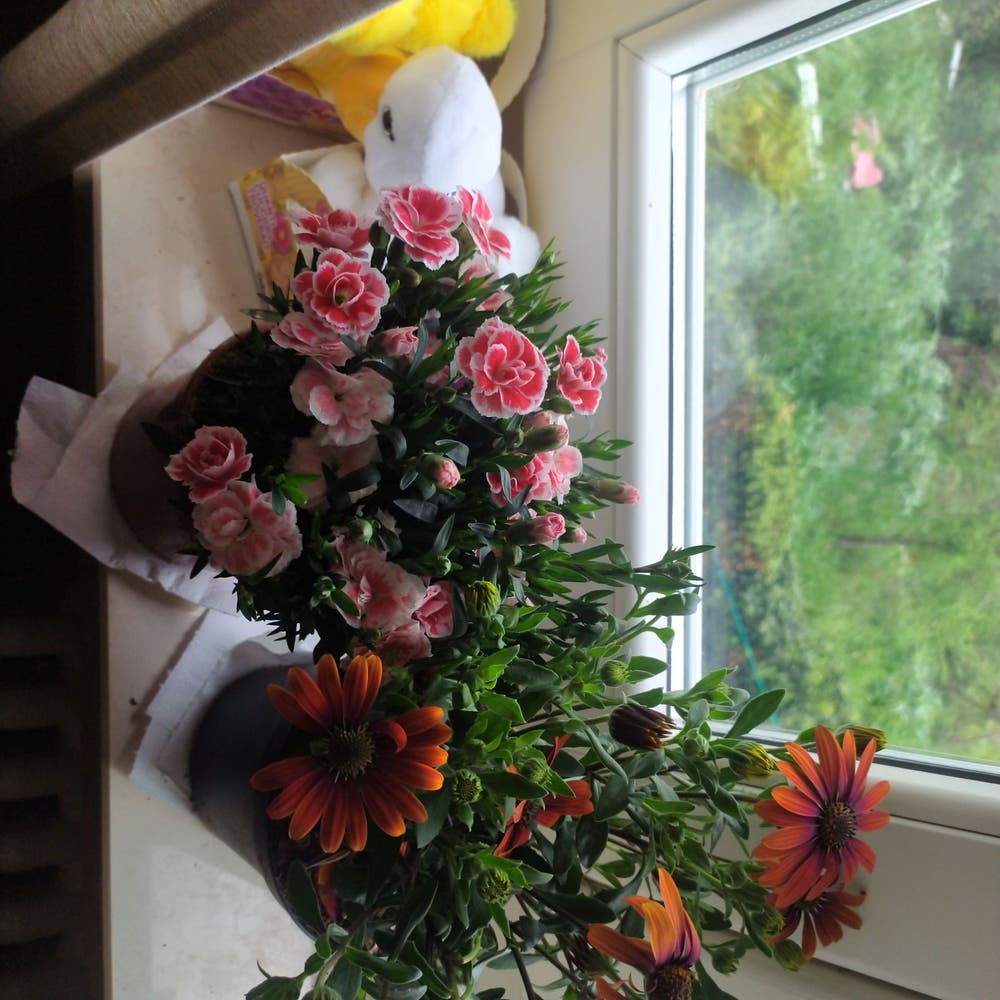
Echinacea, or coneflower, features tall stems adorned with daisy-like flowers. This moderate-difficulty perennial attracts butterflies and adds a vertical element to your garden design.
Plant 7: Marigold 🌼
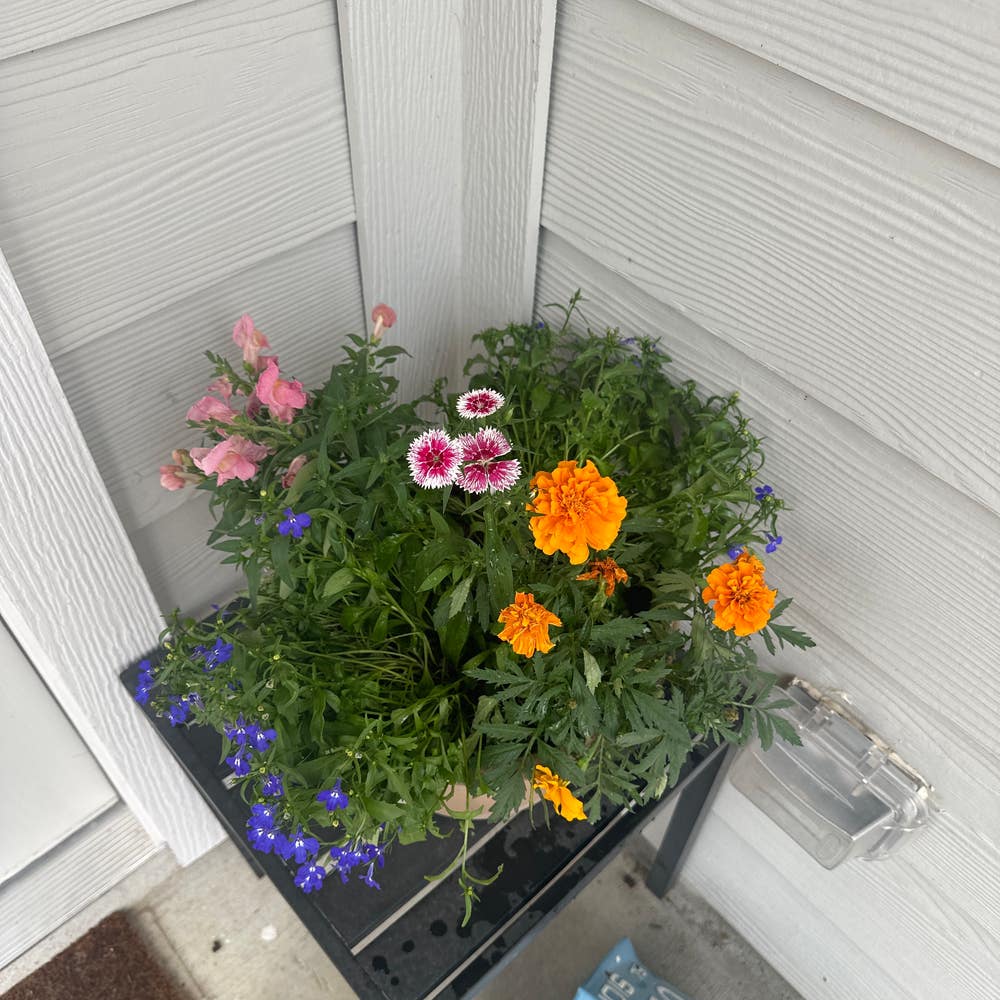
Marigolds are known for their bright orange and yellow flowers. These easy-to-grow plants are famous for their pest-repelling properties, particularly against nematodes, making them a must-have companion.
Plant 8: Phlox 🌷
Phlox showcases clusters of colorful flowers with a sweet fragrance. This easy-care plant not only provides visual appeal but also attracts beneficial insects, enriching your garden's ecosystem.
Plant 9: Sedum 🌵
Sedum is a succulent perennial characterized by fleshy leaves and star-shaped flowers. Drought-tolerant and easy to maintain, it complements the well-drained soil preference of Border Carnations.
These companion plants not only enhance the beauty of your garden but also contribute to a healthier ecosystem. By carefully selecting these partners, you can create a thriving border that showcases the best of your Border Carnations.
Plants to Avoid
🌸 Plant 1: Peonies
Peonies are beautiful, but they come with heavy moisture requirements. This can lead to root competition and rot, making them less than ideal companions for Border Carnations.
🌿 Plant 2: Fennel
Fennel may look appealing, but it can inhibit the growth of nearby plants. Its aggressive nature can overshadow your beloved Border Carnations, stunting their growth and overall health.
Avoiding these plants will help ensure your garden thrives. Choosing the right companions is crucial for a vibrant and healthy border.
Pest Management Strategies
How Companion Plants Help with Pest Management 🌱
Companion plants are nature's little guardians. They act as natural deterrents through their unique scents and chemical properties, making your garden less appealing to pests.
By creating a balanced ecosystem, these plants attract beneficial insects that help keep harmful pests at bay. This symbiotic relationship not only protects your Border Carnations but also enhances the overall health of your garden.
Specific Pests That Affect Border Carnation 🐞
Aphids can be a real nuisance for Border Carnations, but fear not! Lavender and catmint are excellent companions that repel these pesky insects, keeping your flowers safe.
Spider mites are another threat, but you can deter them with yarrow and marigold. These plants not only provide beauty but also serve as effective shields against common garden pests.
With the right companions, you can cultivate a thriving garden that flourishes in harmony. Next, let’s explore how to enhance the visual appeal of your garden with color and texture.
Visual Appeal and Aesthetic Considerations
🎨 Color Combinations with Border Carnation
Pairing vibrant colors with Border Carnation creates a striking visual impact. Consider using bold hues like deep purples and bright yellows to make your garden pop.
Contrasting foliage can enhance the flower colors beautifully. Dark green leaves can make the bright blooms stand out, creating a dynamic visual experience.
📏 Height and Texture Considerations for Companion Plants
Layering plants of varying heights adds depth to your garden. Taller plants like Echinacea can serve as a backdrop, while shorter varieties like Coreopsis fill in the front.
Mixing textures is essential for visual interest. Combining the soft, fern-like foliage of Yarrow with the sturdy leaves of Sedum creates a captivating contrast that draws the eye.
These aesthetic strategies not only beautify your space but also create a harmonious environment for your Border Carnations. By thoughtfully selecting companion plants, you can elevate your garden's overall appeal and functionality.
Next, let's explore the seasonal considerations that will keep your garden thriving year-round.
Seasonal Considerations
Timing for Planting Companions 🌱
Choosing the right time to plant your companion plants is crucial for their success. Each plant has its ideal planting window, which helps ensure compatibility with Border Carnation.
- Spring Planting: Most companions, like lavender and marigold, thrive when planted in early spring. This timing allows them to establish roots before the heat of summer.
- Fall Planting: Some perennials, such as yarrow and echinacea, can be planted in the fall. This gives them a head start for blooming in the following spring.
Staggered planting is also essential for continuous blooms. By introducing plants at different times, you can enjoy a vibrant garden throughout the growing season.
Seasonal Blooming Patterns 🌼
Understanding blooming patterns can significantly enhance your garden's visual appeal. Planning for overlapping bloom times ensures that your garden remains lively and colorful.
- Spring to Summer Blooms: Pair early bloomers like coreopsis with summer favorites like phlox. This combination keeps your garden looking fresh.
- Color Shifts: Consider how colors change with the seasons. For instance, the bright yellows of coreopsis transition beautifully into the rich hues of autumn.
Mixing textures and heights adds depth to your garden. Layering taller plants like echinacea behind shorter ones like catmint creates a stunning visual effect.
By thoughtfully considering seasonal factors, you can create a dynamic and appealing garden that delights the senses year-round. Next, let’s explore how to manage pests effectively in your garden.
⚠️ Safety First
This content is for general information and may contain errors, omissions, or outdated details. It is not medical, veterinary advice, or an endorsement of therapeutic claims.
Always consult a qualified healthcare professional before using any plant as food, medicine, or supplement.
Never eat any plant (or feed one to pets) without confirming its identity with at least two trusted sources.
If you suspect poisoning, call Poison Control (800) 222-1222, the Pet Poison Helpline (800) 213-6680, or your local emergency service immediately.
Spotted an error? Please report it here.
Enhance your garden's beauty by pairing Border Carnations with companion plants like lavender and yarrow, and let Greg guide you with tailored care tips to keep your vibrant ecosystem thriving! 🌼