🌸 How and When to Pollinate Border Carnation
Dianthus caryophyllus
By the Greg Editorial Team
Sep 30, 2024•6 min read
This article was created with the help of AI so we can cover more plants for you. May contain errors. See one? Report it here.
- 🌸 Border carnations self-pollinate and cross-pollinate, ensuring reliable reproduction.
- 🐝 Key pollinators include bees, butterflies, and hummingbirds, enhancing garden biodiversity.
- 🌿 Creating a pollinator-friendly environment boosts pollination success and ecosystem health.
Flower Structure
Description of Characteristics 🌸
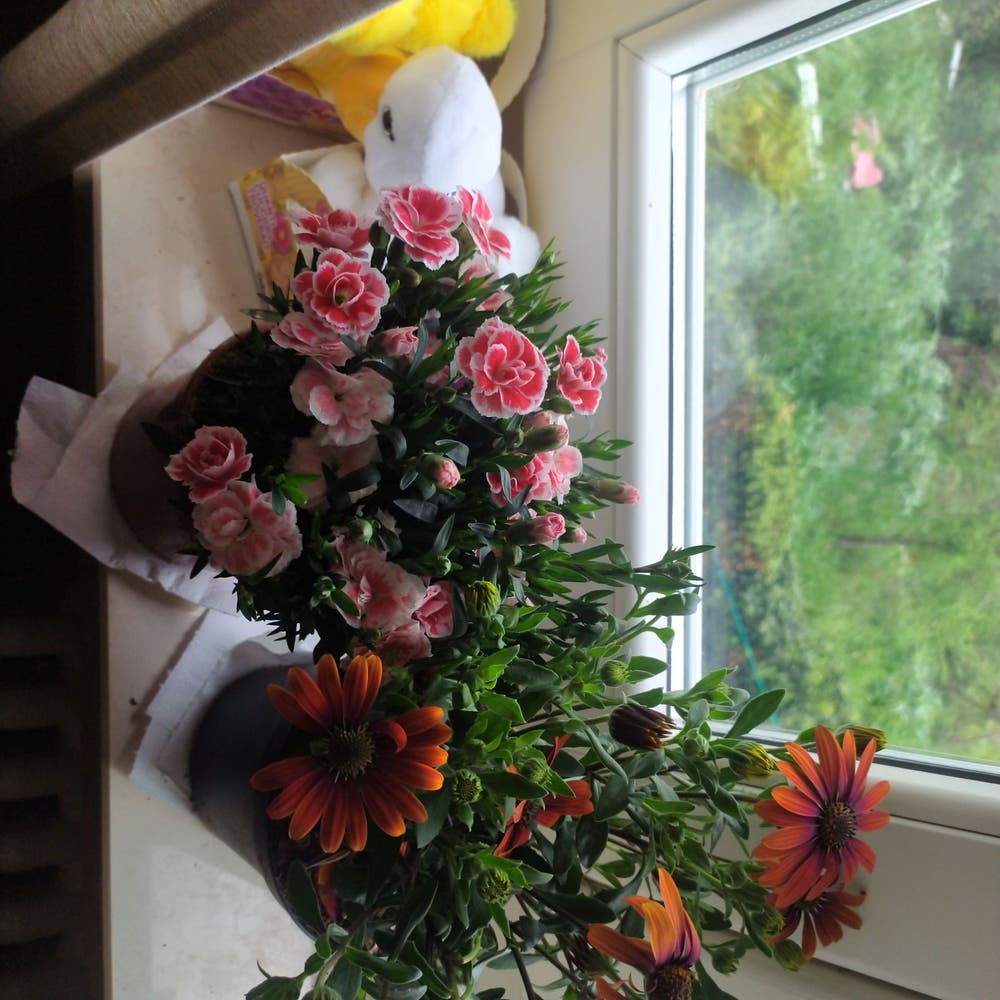
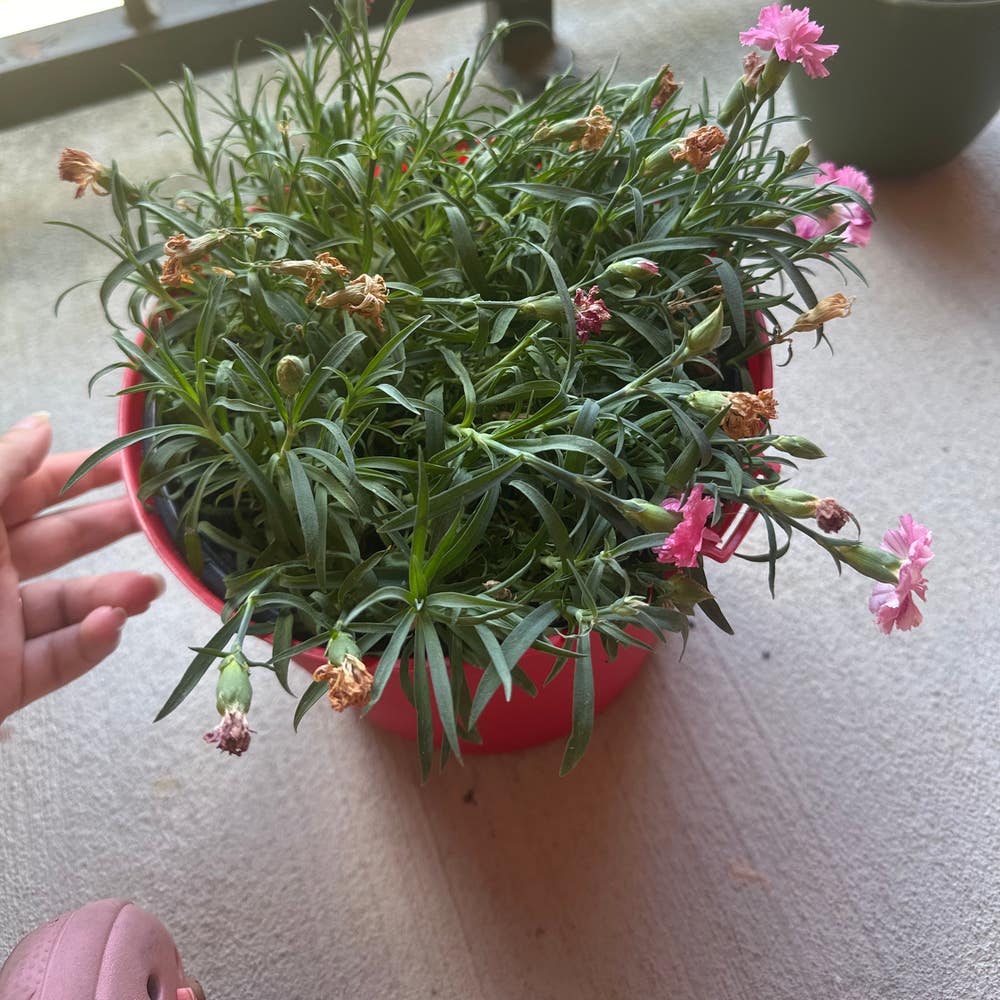
Border carnations are known for their fringed, ruffled petals, which create a striking visual appeal. These flowers bloom in a vibrant array of colors, including pink, red, and white, making them a favorite in gardens.
The petals are arranged in a radial pattern around the central pistil and stamens. This unique structure not only enhances their beauty but also plays a crucial role in the pollination process.
Role in Pollination 🐝
The shape and fragrance of border carnations are designed to attract various pollinators. Their enticing scent and vivid colors draw in bees, butterflies, and other beneficial insects.
Additionally, the arrangement of stamens and pistils allows for both self-pollination and cross-pollination. This dual capability ensures that these flowers can reproduce effectively, whether or not pollinators are present.
Understanding these characteristics is essential for anyone interested in cultivating border carnations and supporting their pollination needs. With this knowledge, you can appreciate not just their beauty, but also their vital role in the ecosystem.
Next, we’ll explore the pollination process in detail, focusing on self-pollination and cross-pollination.
Pollination Process
Self-Pollination 🌼
Self-pollination occurs when pollen from the stamens falls directly onto the pistil of the same flower. This mechanism ensures a reliable seed set, reducing the plant's reliance on external pollinators.
Cross-Pollination 🌍
Cross-pollination is vital for promoting genetic diversity within the species. It introduces new traits and resilience, which can be crucial for adapting to environmental changes.
Primary Pollinator Species
Several key pollinators play a significant role in cross-pollination:
Bees: Attracted by the flower's fragrance and vibrant colors, bees collect both nectar and pollen, effectively transferring pollen between flowers.
Butterflies: Their bright colors draw butterflies, which assist in pollen transfer while they feed on nectar.
Moths: Active during the night, moths are lured by the sweet scent of flowers, contributing to pollination after dark.
Hummingbirds: These energetic birds visit flowers for nectar, and in the process, they help move pollen from one bloom to another.
Understanding these processes not only highlights the beauty of border carnations but also emphasizes the importance of protecting our pollinators. As we explore the natural mechanisms of pollen transfer next, we’ll see how these interactions contribute to healthier ecosystems.
Natural Pollination
🌬️ Mechanisms of Pollen Transfer
Natural pollination primarily occurs through wind and insect activity. Wind can carry pollen from one flower to another, but insects play a more significant role in this process.
🌼 Importance of Pollination
Pollination is essential for the reproduction of border carnations and contributes to genetic diversity. Successful pollination not only leads to healthier plants but also supports robust ecosystems, creating a vibrant environment for all living things.
Incorporating these natural processes into your gardening practices can enhance the vitality of your plants. Understanding the importance of pollination helps us appreciate the intricate relationships within nature, encouraging us to protect and support these vital systems.
As we delve deeper into the pollination process, let’s explore how hand pollination can further assist in ensuring the success of your border carnations.
Hand Pollination ((difficulty:moderate))
📝 Step-by-Step Instructions
Hand pollination can be a rewarding way to ensure your border carnations thrive. Here’s how to do it effectively.
🔍 1. Identifying Male and Female Parts
First, locate the stamens, which are the male parts of the flower, and the pistil, the female part. The stamens are typically the slender structures that hold the pollen, while the pistil is usually centrally located.
🧹 2. Collecting Pollen
Next, use a small brush or a cotton swab to gently collect pollen from the stamens. Be careful not to damage the delicate flower parts during this process.
🔄 3. Transferring Pollen
Once you have collected the pollen, carefully apply it to the stigma of the pistil. This step is crucial for initiating the fertilization process.
✅ 4. Ensuring Successful Fertilization
Finally, monitor the flower for signs of seed development after pollination. This will indicate whether your efforts were successful and can lead to a bountiful harvest.
Hand pollination not only boosts your plants' chances of reproduction but also deepens your connection to the gardening process. With a little patience and practice, you can enhance the beauty and vitality of your border carnations.
Next, let’s explore how to support pollinators in your garden, ensuring a thriving ecosystem for your plants.
Supporting Pollinators
🌼 Creating a Pollinator-Friendly Environment
To attract a variety of pollinators, start by planting native flowers and herbs. These plants are not only adapted to your local climate but also provide essential food sources for bees, butterflies, and other beneficial insects.
Additionally, consider providing water sources and shelter for these vital creatures. A small birdbath or shallow dish filled with water can make a big difference, while native shrubs and grasses offer excellent hiding spots.
🌱 Companion Plants
Companion planting can enhance your garden's appeal to pollinators. Here are a couple of standout options:
- Lavender: This fragrant herb is a magnet for bees and butterflies, making it a must-have in any pollinator garden.
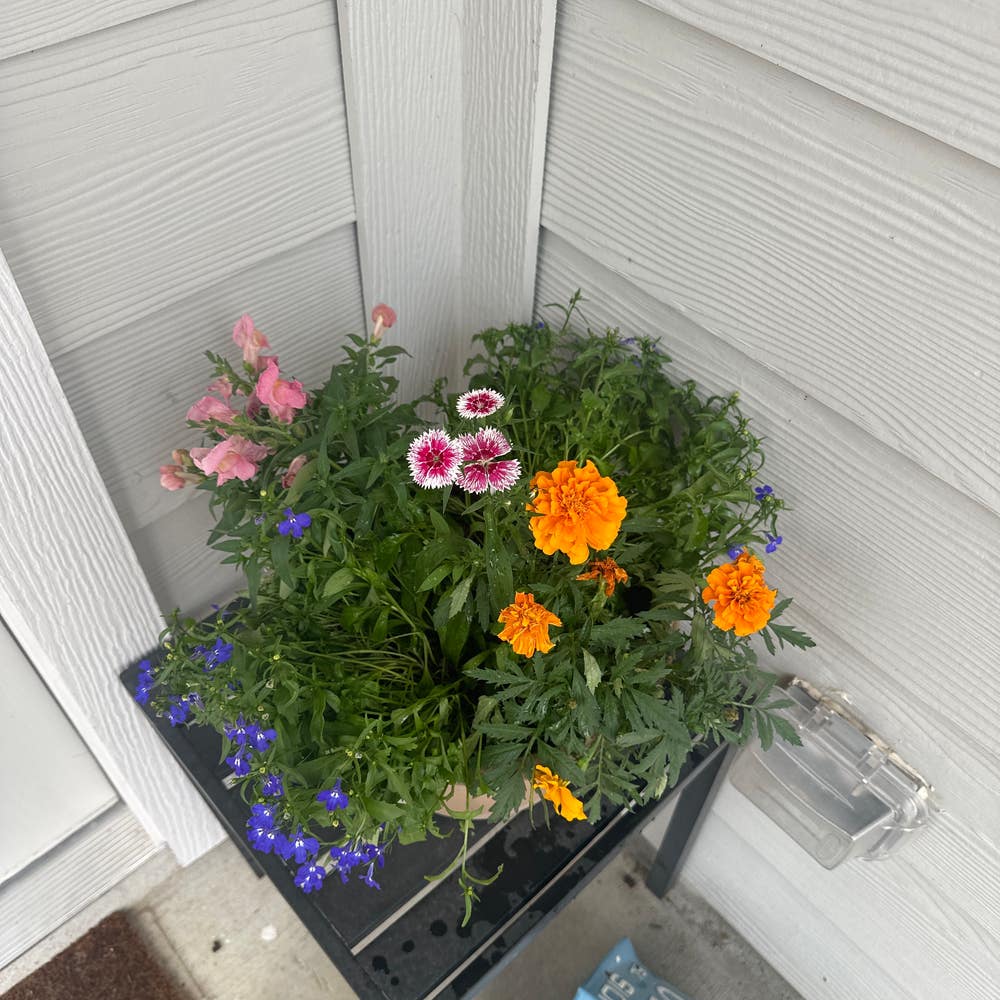
- Marigolds: Known for their vibrant colors, marigolds attract a variety of pollinators, adding both beauty and biodiversity to your space.
By incorporating these plants, you create a thriving ecosystem that supports pollinators and enhances your garden's overall health.
As you nurture these relationships, remember that every small effort counts. With a little planning, you can make a significant impact on local pollinator populations and enjoy the beauty they bring to your garden.
Next, let’s explore the challenges pollinators face and how we can overcome them.
Pollination Challenges
🌪️ Common Obstacles
Pollination faces several challenges that can hinder plant reproduction. Environmental factors like temperature fluctuations and humidity levels can disrupt the delicate balance needed for successful pollination.
Additionally, a lack of pollinators is a significant concern. Habitat loss and pesticide use have drastically reduced pollinator populations, making it harder for plants to reproduce effectively.
🛠️ Solutions
Fortunately, there are practical solutions to these challenges. Implementing organic gardening practices can significantly support pollinator health, creating a more inviting environment for them.
Timing your planting to coincide with peak pollinator activity is another effective strategy. This ensures that flowers bloom when pollinators are most active, increasing the chances of successful pollination.
🌡️ Impact of Environmental Factors
Temperature and humidity play crucial roles in pollination success. Extreme temperatures can either deter pollinators or affect the viability of pollen, while high humidity can lead to mold and other issues that compromise plant health.
Understanding these factors can help gardeners make informed decisions to enhance pollination outcomes. By being proactive, you can contribute to healthier plants and a more robust ecosystem.
As we explore ways to support pollinators, let’s dive into creating a pollinator-friendly environment.
⚠️ Safety First
This content is for general information and may contain errors, omissions, or outdated details. It is not medical, veterinary advice, or an endorsement of therapeutic claims.
Always consult a qualified healthcare professional before using any plant as food, medicine, or supplement.
Never eat any plant (or feed one to pets) without confirming its identity with at least two trusted sources.
If you suspect poisoning, call Poison Control (800) 222-1222, the Pet Poison Helpline (800) 213-6680, or your local emergency service immediately.
Spotted an error? Please report it here.
Boost your border carnations' beauty and ecosystem health 🌱 with Greg's tailored tips for attracting pollinators and ensuring successful hand pollination!