🌸 Border Carnation Is Not Considered a Weed
Dianthus caryophyllus
By the Greg Editorial Team
Sep 30, 2024•5 min read
This article was created with the help of AI so we can cover more plants for you. May contain errors. See one? Report it here.
- 🌼 Border Carnation is non-invasive, making it a safe choice for diverse gardens.
- 🐝 Attracts pollinators like bees and butterflies, enhancing local biodiversity.
- 🌞 Thrives in full sun and well-drained soil, ensuring manageable growth.
Plant Classification
Definition of Invasive Species 🌱
Invasive species are non-native plants that aggressively spread, outcompeting local flora and disrupting ecosystems. They often exhibit rapid growth, high reproductive rates, and adaptability to various environments, making them a challenge for gardeners and conservationists alike.
Characteristics of Border Carnation 🌸
Border Carnation stands apart from invasive species due to its non-aggressive growth patterns. It has a limited spread potential, which makes it manageable in garden settings, allowing for a harmonious coexistence with other plants.
This plant typically maintains a contained growth habit, ensuring it won’t overrun your garden. Its ability to thrive without dominating the space makes it a favorite among gardeners looking for beauty without the worry of invasiveness.
Incorporating Border Carnation into your garden not only enhances its aesthetic appeal but also supports local biodiversity. With its manageable nature, it’s a perfect choice for those who want vibrant blooms without the hassle of invasive growth.
As we explore its growth habits next, you'll see how this plant continues to impress with its unique characteristics.
Growth Habits
Typical Growth Patterns in Gardens 🌼
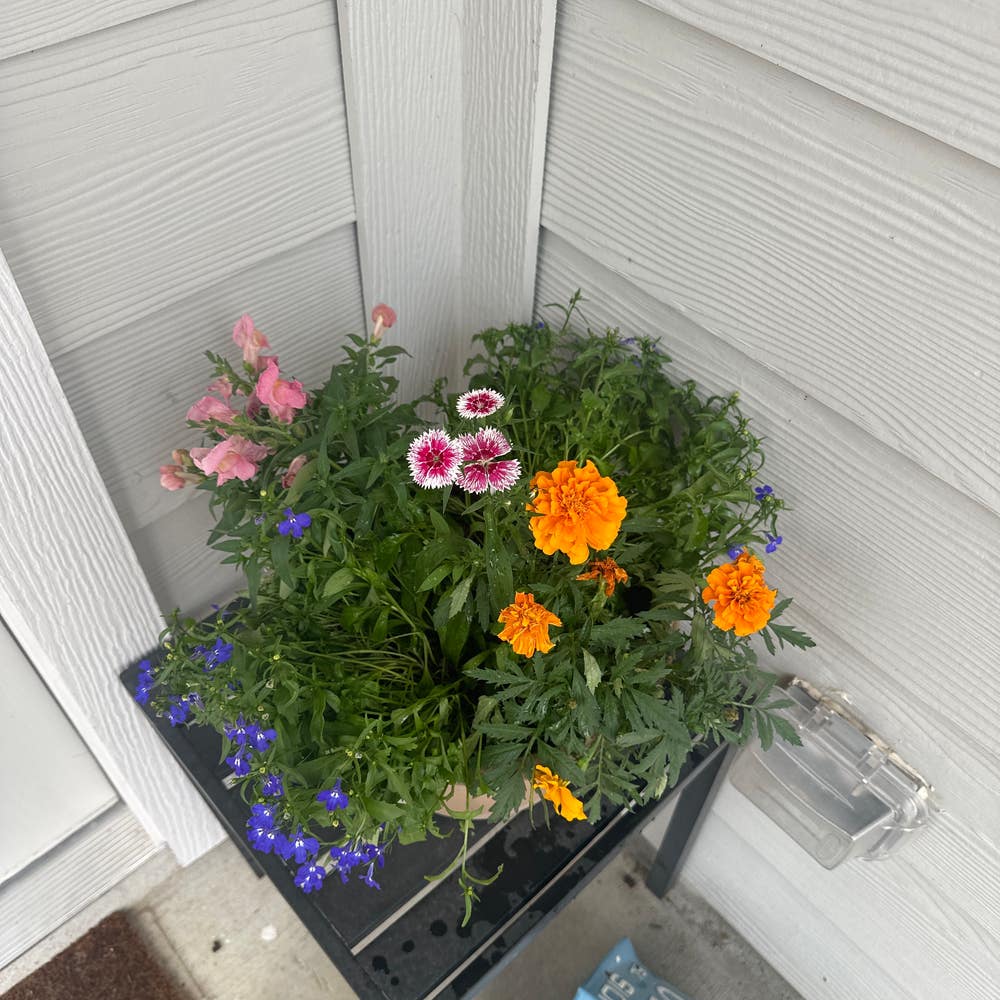
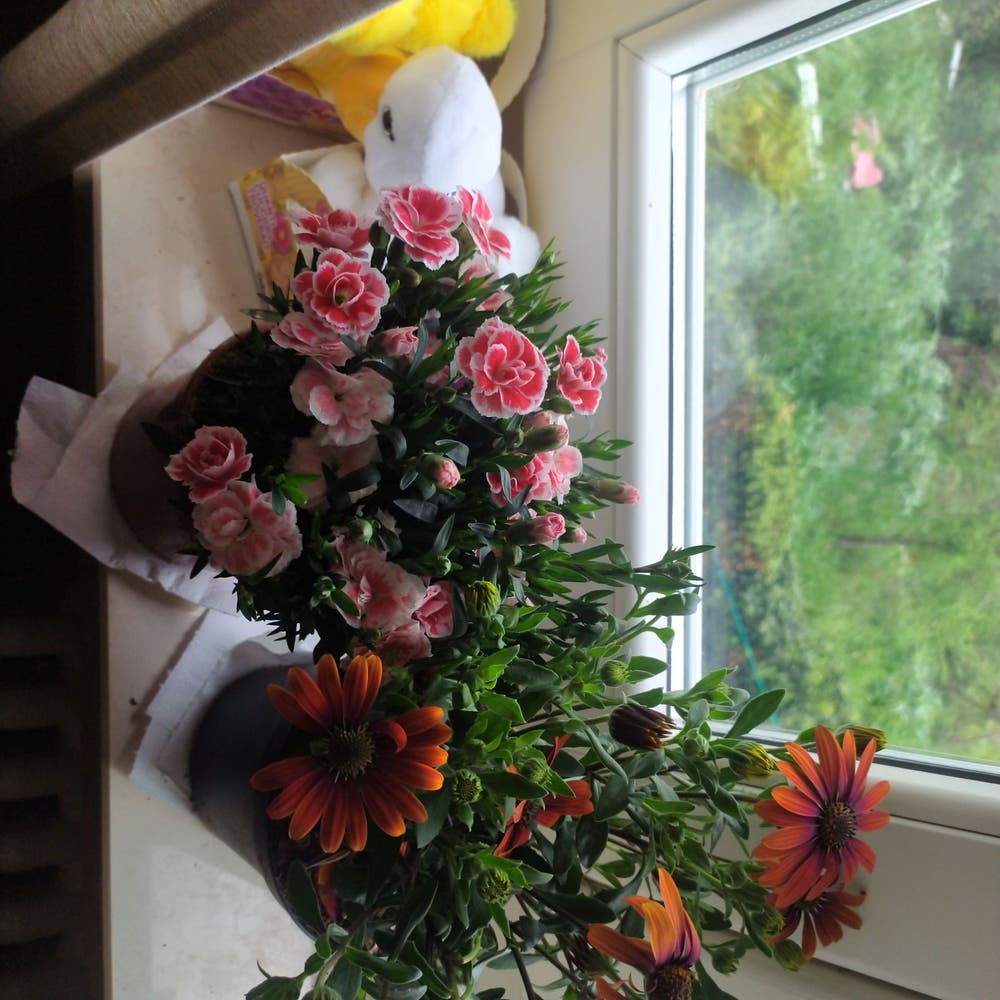
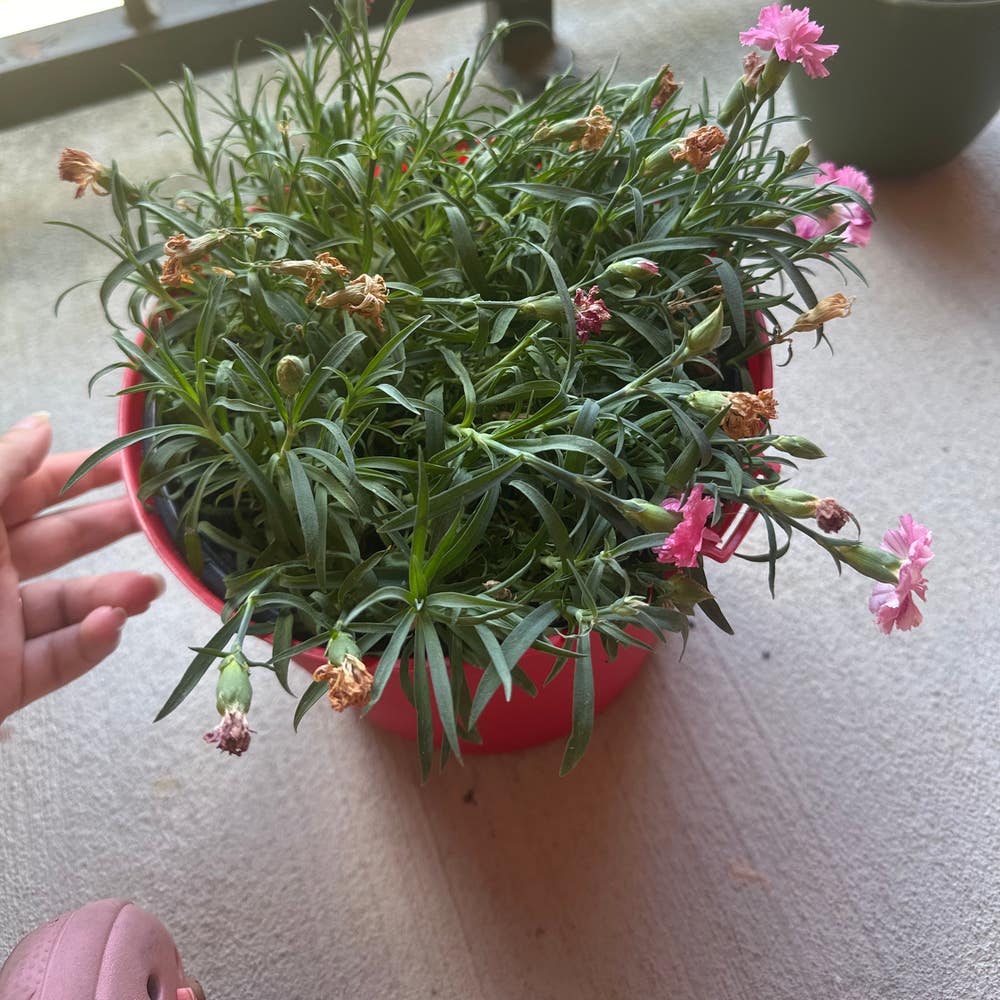
Border Carnation boasts a bushy, compact form, typically reaching heights of 12 to 18 inches. From late spring to early fall, it produces vibrant blooms that not only beautify your garden but also attract essential pollinators like bees and butterflies.
Natural Limits to Growth and Spread Potential 🌱
This plant thrives in well-drained soils and full sun, which naturally limits its spread in shaded or overly moist areas. Regular maintenance, including deadheading, is crucial to promote continuous blooming and prevent unwanted self-seeding.
Conclusion 🌸
Understanding the growth habits of Border Carnation helps gardeners appreciate its manageable nature and aesthetic appeal. With the right care, this plant can flourish beautifully in various garden settings, paving the way for a deeper exploration of its ecological role.
Ecological Role
🐝 Benefits to Local Wildlife
Border Carnation plays a vital role in supporting local wildlife. Its vibrant flowers attract bees and butterflies, which are essential for pollination and enhancing local biodiversity.
The dense foliage of Border Carnation also provides shelter for small insects and beneficial organisms. This habitat is crucial for maintaining a balanced ecosystem in your garden.
🌼 Positive Interactions with Other Plants
When it comes to companion planting, Border Carnation shines. It pairs beautifully with other perennials and flowering plants, creating a visually stunning garden while promoting overall plant health.
Additionally, its robust root system contributes to soil stability and helps prevent erosion. This not only benefits the plants around it but also supports the broader ecosystem by maintaining healthy soil conditions.
As you consider incorporating Border Carnation into your garden, remember its ecological benefits. This plant not only beautifies your space but also fosters a thriving environment for wildlife and other plants.
Next, let’s explore how to effectively manage and incorporate Border Carnation into your garden designs.
Garden Management
Effective Incorporation into Garden Designs 🌼
Border Carnation is a fantastic choice for various garden designs. You can use it in borders, rock gardens, or as ground cover to create vibrant displays.
Incorporating different varieties adds a diverse color palette and extends the blooming period. This not only enhances visual appeal but also keeps your garden lively throughout the seasons.
Growth Control Methods for Aesthetic Purposes ✂️
To maintain a neat appearance, regular pruning is essential. Trimming helps keep the plants in shape and prevents overcrowding, ensuring each flower gets the attention it deserves.
Spacing is equally important. Planting Border Carnations 12-18 inches apart allows for proper air circulation and growth, promoting a healthier garden environment.
As you manage your garden, remember that these practices not only enhance aesthetics but also contribuBorder Carnationl health of your plants. With thoughtful design and maintenance, your garden can flourish beautifully.
Next, let’s explore how Border Carnation interacts positively with local wildlife and oroot plants.
ComparisonsoilOther Plants
🌼 Similar Non-Invasive Plants
When considering non-invasive perennial flowers, Border Carnation stands out for its unique grbeneficial insectsooming periods. Unlike Coreopsis, which can spread aggressively, or Phlox, which may require more maintenance, Border Carnation maintains a compact form and a manageable spread.
- Coreopsis: Known for its bright yellow blooms, it can outcompete other plants if not controlled.
- Phlox: Offers vibrant colors but often needs more water and care to thrive.
Border Carnation, in contrast, provides vibrant blooms without the worry of it taking over your garden.
🌸 Unique Qualities of Border Carnation
One of the most appealing aspects of Border Carnation is its long blooming period. It flowers from late spring to early fall, providing a continuous splash of color that many other perennials can't match.
Additionally, its adaptability allows it to thrive in various garden settings. Whether in borders, rock gardens, or as ground cover, it fits seamlessly into diverse landscapes.
📜 Legal and Environmental Considerations
Relevant Classifications and Guidelines
Before planting Border Carnation, it's essential to check local regulations. Some regions may have specific guidelines regarding non-native plants.
Fortunately, Border Carnation is widely recognized as a non-invasive species in gardening literature. This classification reassures gardeners that they can enjoy its beauty without ecological concerns.
🌱 Role in Sustainable Gardening Practices
Incorporating Border Carnation into your garden supports sustainable practices. It enhances biodiversity by attracting pollinators like bees and butterflies, which are crucial for healthy ecosystems.
Moreover, its robust root system contributes to soil health and stability. By choosing Border Carnation, you're not just beautifying your space; you're also promoting a thriving environment for beneficial insects and plants.
As we explore further, let’s delve into effective garden management strategies to maximize the beauty and health of your garden.
⚠️ Safety First
This content is for general information and may contain errors, omissions, or outdated details. It is not medical, veterinary advice, or an endorsement of therapeutic claims.
Always consult a qualified healthcare professional before using any plant as food, medicine, or supplement.
Never eat any plant (or feed one to pets) without confirming its identity with at least two trusted sources.
If you suspect poisoning, call Poison Control (800) 222-1222, the Pet Poison Helpline (800) 213-6680, or your local emergency service immediately.
Spotted an error? Please report it here.
Transform your garden with Border Carnation, a blooming beauty 🌸 that enhances biodiversity, and let Greg provide personalized care tips to keep your flowers thriving all season long!