🌸 5 Tips for Fixing Flower Problems in Border Carnation
Dianthus caryophyllus
By the Greg Editorial Team
Sep 30, 2024•4 min read
This article was created with the help of AI so we can cover more plants for you. May contain errors. See one? Report it here.
- 🌞 Border carnations need 6+ hours of sunlight daily for optimal blooming.
- 🌱 Nutritional deficiencies in nitrogen, phosphorus, and potassium hinder flower production.
- 🐛 Pests like aphids can weaken plants; use organic methods for control.
Failure to Bloom
🌞 Potential Causes
Light Requirements
Insufficient sunlight exposure can be a major culprit in flower failure. If your border carnations receive less than six hours of direct sunlight daily, blooming may be hindered.
Nutritional Needs
A lack of essential nutrients can also affect flower production. Deficiencies in nitrogen, phosphorus, and potassium can lead to disappointing results in your garden.
Soil Conditions
Poor drainage is another factor to consider. Heavy, compacted soil can cause root rot, which ultimately prevents blooms from forming.
💡 Solutions
Adjusting Care
To encourage blooming, consider relocating your plants to sunnier spots. Increasing sunlight exposure is an easy yet effective solution.
Fertilization
Using a balanced fertilizer can make a significant difference. Apply a 10-10-10 NPK fertilizer every 4-6 weeks during the growing season to support healthy blooms.
By addressing these potential causes and implementing the suggested solutions, you can help your border carnations thrive and bloom beautifully. Next, let’s explore the issue of premature flower drop and how to tackle it effectively.
Premature Flower Drop
🌡️ Causes
Environmental Stress
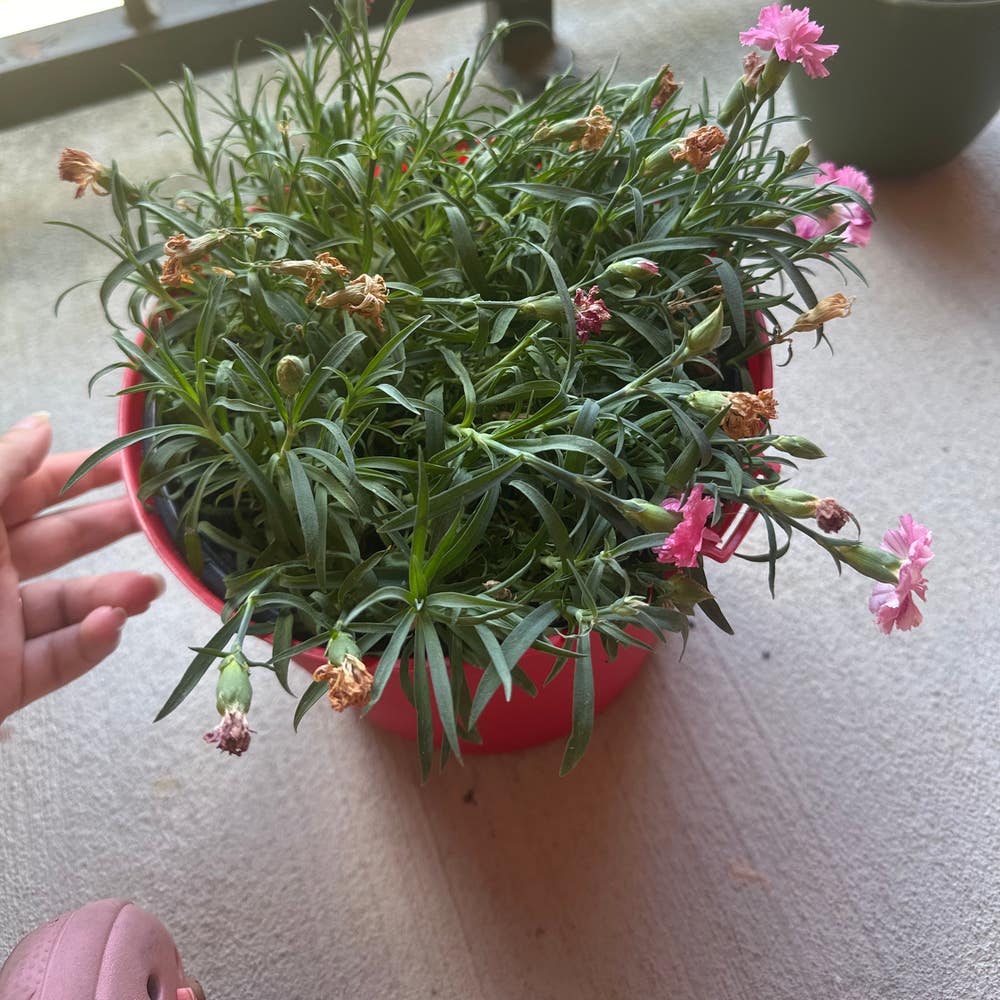
Temperature fluctuations can wreak havoc on your border carnations. Extreme heat or cold often leads to buds dropping before they even get a chance to bloom.
Pests
Aphids and spider mites are notorious for causing premature flower drop. These pesky pests weaken your plants, making them more susceptible to stress and bud loss.
🛠️ Solutions
Pest Control
Implementing organic methods is a great way to tackle pest issues. Using insecticidal soap or neem oil can effectively manage pest populations without harming your plants.
💧 Watering Practices
Maintaining consistent moisture is crucial for preventing flower drop. Ensure the soil is evenly moist but not waterlogged to help reduce stress on your carnations.
By addressing these causes and solutions, you can help your border carnations thrive and enjoy a vibrant display of blooms. Next, let’s explore how to ensure your flowers develop beautifully and healthily.
Abnormal Flower Development
🌱 Causes
Nutritional Deficiencies
A common culprit behind abnormal flower development is an imbalance in nutrient levels. Specifically, a lack of phosphorus can severely hinder flower formation, leading to disappointing blooms.
Pruning Mistakes
Another significant factor is pruning errors. Over-pruning or doing so at the wrong time can disrupt the natural bloom cycles, leaving your plants struggling to produce flowers.
💡 Solutions
Corrective Fertilization
To address these issues, consider applying phosphorus-rich fertilizers. A fertilizer with a ratio of 5-10-5 can effectively promote healthy flower development, ensuring your plants have the nutrients they need.
Proper Pruning Techniques
Timing and technique matter when it comes to pruning. Always prune after flowering to encourage new growth and ensure a vibrant display of blooms in the next season.
By understanding the causes and implementing these solutions, you can help your border carnations thrive and produce the beautiful flowers you desire. Next, let’s explore environmental and pest considerations that can also impact your plants.
Environmental and Pest Considerations
🌍 Environmental Stress
Understanding environmental stress is crucial for maintaining healthy border carnations.
Identifying Signs of Stress
Look out for wilting, yellowing leaves, and stunted growth. These symptoms often signal that your plants are struggling.
💧 Mitigation Strategies
Watering
Adjust your watering schedule to water deeply but infrequently. This approach encourages strong root systems, helping your plants thrive.
Shelter
During extreme heat, provide shade to protect your carnations. Shade cloths can be a lifesaver, shielding them from harsh sunlight.
🐛 Pest Issues
Pests can wreak havoc on your flowering plants.
Common Pests Affecting Flowering
Aphids and spider mites are two common culprits that can cause significant damage to flower buds.
🛡️ Control Methods
Use Beneficial Insects
Introduce beneficial insects like ladybugs or lacewings to help control aphid populations. They can be a natural and effective solution.
Chemical Options
If pests persist, consider applying targeted insecticides as a last resort. Always follow label instructions carefully to ensure safety and effectiveness.
By addressing environmental stress and pest issues, you can foster a thriving garden of border carnations. This proactive approach sets the stage for vibrant blooms and healthy plants, leading us to explore the next topic: solutions for abnormal flower development.
⚠️ Safety First
This content is for general information and may contain errors, omissions, or outdated details. It is not medical, veterinary advice, or an endorsement of therapeutic claims.
Always consult a qualified healthcare professional before using any plant as food, medicine, or supplement.
Never eat any plant (or feed one to pets) without confirming its identity with at least two trusted sources.
If you suspect poisoning, call Poison Control (800) 222-1222, the Pet Poison Helpline (800) 213-6680, or your local emergency service immediately.
Spotted an error? Please report it here.
Unlock vibrant blooms in your border carnations 🌸 by using Greg's tailored care reminders and expert tips to meet their unique needs for sunlight, nutrients, and moisture!