Why Are My Border Carnation Leaves Falling Over?
Dianthus caryophyllus
By the Greg Editorial Team
Jun 14, 2024•5 min read
This article was created with the help of AI so we can cover more plants for you. May contain errors. See one? Report it here.
- Over/underwatering and root rot lead to Border Carnation leaf fall.
- Check soil moisture and drainage to prevent watering issues.
- Balance light and temperature to maintain healthy leaves.
Recognizing Symptoms of Leaf Fall in Border Carnations
🍂 Signs of Leaf Fall
When Border Carnations start shedding leaves like a dog in summer, it's not just a quirky plant habit. Drooping is one thing, but when leaves hit the deck faster than a clumsy waiter, it's a red flag. Look for leaves that detach with a gentle nudge or those that seem to give up the ghost and collapse without a fight.
🚨 Distinguishing Health Problems
Leaf fall can be the plant's way of crying out against neglect. If your carnations are dropping leaves like hot potatoes, it could be a sign of overwatering, underwatering, or even a nasty case of root rot. Discoloration or spots? That's the plant's version of sending an SOS. And if the stems are buckling under the pressure, it's time to play plant detective.
👀 Visual Indicators
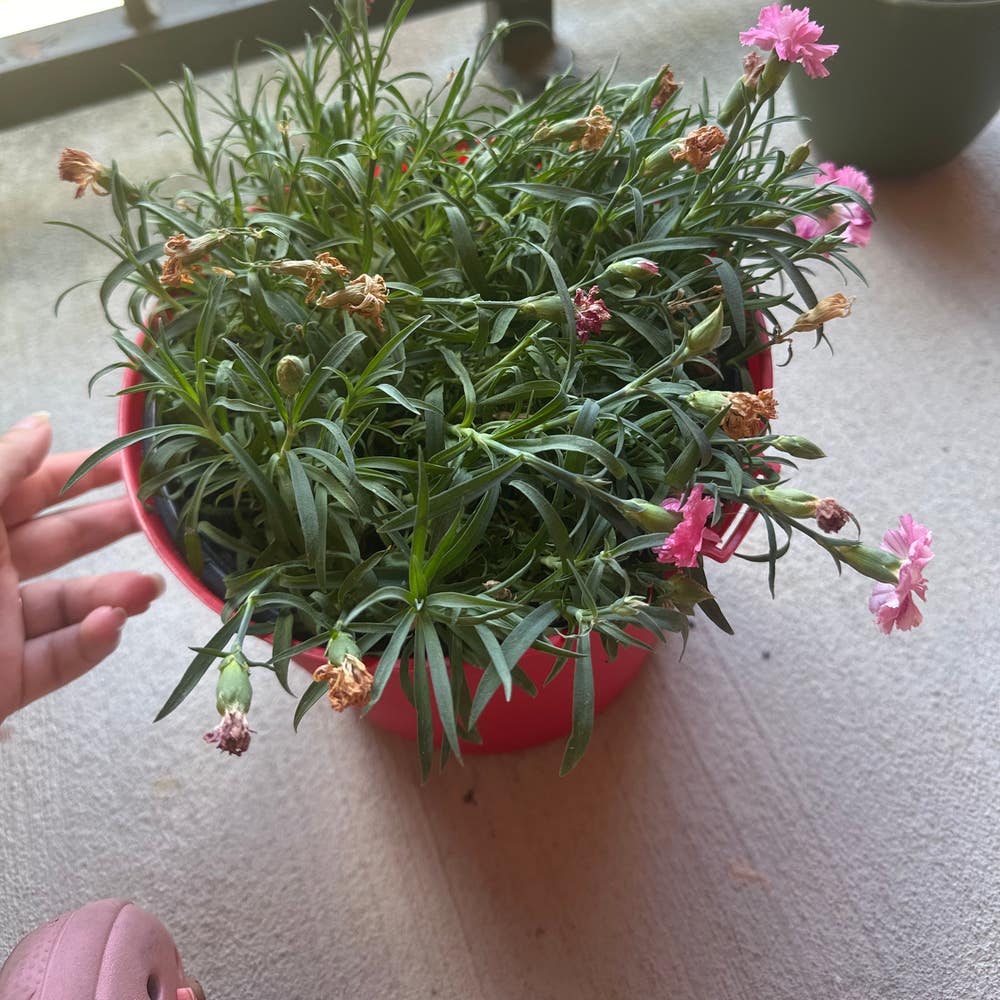
Yellow leaves might as well come with a flashing sign that says "Help, I'm drowning!" courtesy of too much water. Conversely, leaves that resemble a raisin in texture are screaming for a drink. And if they're sporting a funky tan (think black or brown), it's a sign that they're seriously stressed about their living conditions.
🚩 Common Signs of Distress
Wilting leaves that once stood proud but now slump like they've given up on life are your cue to intervene. It's not just about the leaves either; overall plant health is a big piece of the puzzle. Don't get so focused on the leaves that you miss the forest for the trees—or in this case, the plant for the leaves.

Investigating Soil and Water Issues
🚱 Signs of Trouble
Overwatering and underwatering are the frenemies of your Border Carnations. If your plant's leaves are throwing themselves to the ground like melodramatic actors, you might be dealing with one of these issues. Soggy soil and leaves that look more yellow than a school bus are tattletales for overwatering. On the flip side, if the soil is as dry as a stand-up comedian's wit and the leaves are curling up like they're practicing yoga, you're underwatering.
🌱 The Soil Tells All
Before you douse your plant in H2O or put it on a water diet, poke around the soil. If it's clinging to moisture like a needy friend, it's time to intervene. Compacted soil is a no-go; it's like tight pants after Thanksgiving dinner—uncomfortable and restricting. Your plant's roots need breathing room, so consider a soil mix that's as well-draining as a colander.
💧 Watering Wisdom
Don't let your watering can rule your life. Check the soil before watering; it's less about sticking to a schedule and more about reading the room—or pot. If the soil feels like a dry joke, it's time for a drink. But if it's damp, hold off on the waterworks.
🕳️ Drainage Drama
If your plant's pot is holding water like a dam, you've got a drainage drama on your hands. Ensure your pot has holes that aren't shy about letting water escape. You might need to get your hands dirty and amend the soil with some gritty friends like perlite or sand to keep the water flowing.
🌱 Roots in Rehab
When roots get more water than they bargained for, they can develop rot, which is about as fun as a root canal. If you suspect root rot, it's time for some tough love. Gently remove your plant, inspect the roots, and trim any that have turned to mush. Repot with fresh, well-draining soil and cross your fingers for a comeback.

Assessing Light and Temperature Factors
💡 Determining if Improper Light Exposure is Causing Leaf Fall
Light is like a double-edged sword for Border Carnations; it's essential but can be damaging in excess. If your carnations are turning yellow or the tips are browning, it's a red flag that they might be getting too much sun. On the flip side, leggy growth screams for more light. Use a light meter to measure the intensity and adjust your plant's position accordingly.
🌡️ Adjusting Temperature and Humidity to Prevent Leaf Fall
Temperature and humidity are the silent ninjas of plant health, often overlooked but vital. Carnations don't appreciate the drama of temperature swings. Keep them away from drafty spots and heat sources. If your leaves are dark and mushy or the plant looks wilted, it's likely too cold. Aim for a stable temperature and consider a humidifier if your air is drier than a stand-up comedian's wit. Remember, humidity can be a game-changer.

Treating Root Health Problems
🚨 Spotting Symptoms of Root Rot
Root rot is the silent killer of many plants, and Border Carnations are no exception. Yellowing leaves, wilting, and a general appearance of despair can be your first clues. But the real evidence lies beneath the soil—blackened, mushy roots are the smoking gun. If your plant's roots look like they've been through a horror movie, it's time to act fast.
🛠️ Steps to Treat Root Issues
- Remove the plant from its pot and shake off the soil to get a clear view of the damage.
- Trim away the rot, sparing only the healthy roots. This is no time for sentimentality—be ruthless.
- Refresh the pot with new, well-draining soil. Think of it as a new bed for your plant to recover in.
- Apply a fungicide, but skip the old wives' tales like cinnamon or peroxide. Stick with something scientifically proven.
- Water cautiously post-surgery. Overwatering is what likely got you here, so let's not repeat history.
- Monitor closely for signs of recovery or further decline. This is a critical time for your plant.
🛡️ Preventing Recurrence
Prevention is better than cure, and that's especially true with root rot. Ensure your potting mix is like a life vest, offering quick drainage. Check the soil's moisture level before watering—dryness an inch down is your green light. Keep an eye out for pests and diseases; they're like gatecrashers at your plant's recovery party. Lastly, space your plants to avoid overcrowding, because personal space is as important for plants as it is for people.
⚠️ Safety First
This content is for general information and may contain errors, omissions, or outdated details. It is not medical, veterinary advice, or an endorsement of therapeutic claims.
Always consult a qualified healthcare professional before using any plant as food, medicine, or supplement.
Never eat any plant (or feed one to pets) without confirming its identity with at least two trusted sources.
If you suspect poisoning, call Poison Control (800) 222-1222, the Pet Poison Helpline (800) 213-6680, or your local emergency service immediately.
Spotted an error? Please report it here.
Prevent your Border Carnation leaves from wilting by relying on Greg's precise moisture monitoring 🌱 to ensure just-right watering and perfect plant health.