Why Are There Black Spots on My Sweet William Leaves?
Dianthus caryophyllus
By the Greg Editorial Team
Jun 14, 2024•6 min read
This article was created with the help of AI so we can cover more plants for you. May contain errors. See one? Report it here.
- Fungal diseases cause black spots, often leaf septoria in Sweet William.
- Environmental factors exacerbate spread, like humidity and poor air circulation.
- Prevent with wise watering, proper soil, spacing, and mulching.
Identifying Black Spots on Sweet William Leaves
🕵️ Characteristics of Black Spots
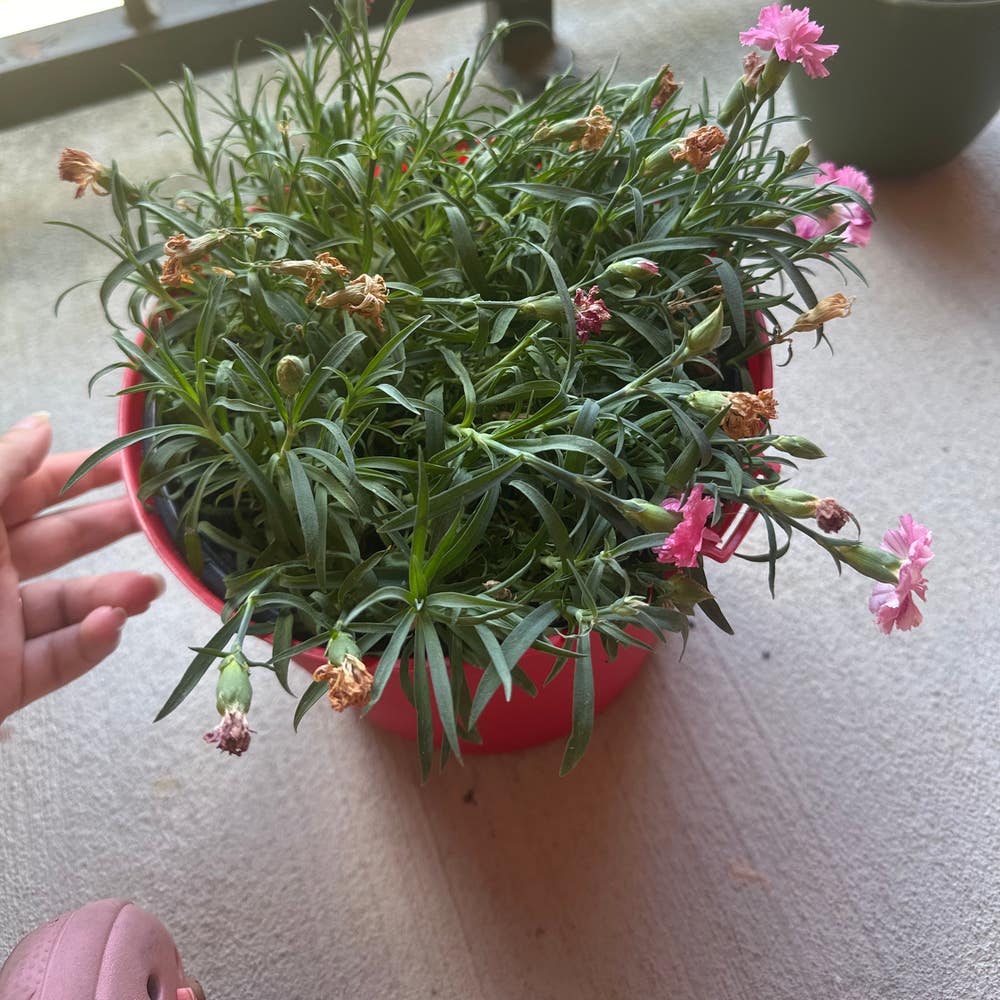
Sweet William, known scientifically as Dianthus barbatus, is prone to displaying black spots on its foliage. These spots are typically circular or irregular in shape and may be accompanied by a yellow or red halo. Unlike the uniform discoloration caused by sunburn or nutrient deficiencies, these spots signify a potential fungal or bacterial infection.
🤔 Differentiating Black Spots from Other Issues
When assessing your Sweet William, it's crucial to distinguish between black spots and other leaf anomalies. Sunburn often manifests as dry, brown areas, particularly in plants suddenly exposed to intense light. Conversely, overwatering can lead to soft, dark areas, hinting at rot. Mealybugs leave yellowing spots, while nutrient deficiencies typically cause a more generalized discoloration.
To accurately identify the issue, examine the shape, color, and pattern of the spots. Fungal infections often start as small specks that can merge into larger patches. If the leaf emits a foul odor or feels mushy, it's likely rot. Remember, black spots are not just a cosmetic issue; they can lead to leaf drop and reduced plant vigor.
Pro tip: Always check the undersides of leaves and stems, as some pathogens start their invasion there. Keep an eye out for tiny black specks or yellow rings around older spots, which are telltale signs of a progressing infection.

Causes of Black Spots on Sweet William Leaves
🍄 Fungal Culprits Behind the Spots
Fungal diseases are the usual suspects when it comes to black spots on Sweet William leaves. The most notorious is leaf septoria, which starts its siege as yellow and brown spots on the lower leaves before marching upwards. Left unchecked, this fungal fiend can lead to leaf demise and compromise the plant's vitality.
🌿 Environmental Conditions: Aiding and Abetting
Environmental factors can be unwitting accomplices in the spread of black spots. High humidity and poor air circulation create a haven for fungal growth. Overwatering is another partner in crime, suffocating roots and leading to those dreaded black spots. Remember, wet leaves are a fungal playground.
🌞 The Sunlight Connection
Direct sunlight can be a double-edged sword; while it's necessary for growth, it can also highlight deficiencies. A lack of calcium, for instance, often manifests as spots on sun-kissed leaves. The lower, shaded leaves may retain their green sheen until the issue becomes severe.
🛡️ Prevention Through Attention
To keep black spots at bay, vigilance is key. Regularly inspect your Sweet William, especially during wet conditions or when the plant is in the shade. Early detection can prevent a full-blown fungal takeover and save your garden the heartache of plant loss.

Preventing Black Spots on Sweet William Leaves
In the battle against black spots, prevention is your first line of defense. Here's how to keep your Sweet William looking spotless.
💧 Watering Wisdom
Water wisely. Sweet William detests a wet jacket, so keep those leaves dry. Use a watering can with a long spout to target the soil directly, avoiding a leafy shower. Early morning watering gives plants time to dry out, reducing the risk of fungal speed-dating.
🌱 Soil and Spacing Savvy
Rich, well-draining soil is like a good support system—it keeps Sweet William standing tall without drowning its roots in sorrow. Ensure ample drainage to prevent water from pooling around the roots, which is basically a dinner invitation for fungi.
Space out your plants. They need room to breathe, and good air circulation is like social distancing for plants—it keeps diseases from spreading. Think of it as giving your plants their own personal space bubbles.
🍂 Mulching Mastery
Mulch like a pro. It's not just a pretty topcoat; it helps regulate soil moisture and temperature. But don't overdo it—too much mulch can lead to moisture buildup, and before you know it, you're hosting a fungus festival.
🔪 The Right Tools
Prune with purpose. Snip away any crowded or infected leaves to promote airflow. But remember, it's a trim, not a haircut—over-pruning can stress your plants more than a cliffhanger season finale.
🌿 Fertilizing Finesse
Feed your plants, but don't overindulge them. A balanced diet of water-soluble fertilizer keeps them healthy without encouraging the lush, soft growth that fungi feast on. It's like giving your plants a gym membership—they'll be stronger and more resistant to disease.
🎯 Smart Strategies
Drip irrigation is the stealth bomber of watering methods—it delivers moisture to the roots without wetting the leaves. And if you're feeling fancy, a wicking system can automate this process, ensuring consistent moisture without overwatering.
By implementing these strategies, you'll give your Sweet William the best shot at a spotless existence.

Treating Black Spots on Sweet William Leaves
Treating black spots on Sweet William involves fungicides and consistent care. Here's how to wage war on the fungus among us.
🌿 Effective Fungicides
Neem oil is your organic go-to, squeezing victory from an evergreen tree. For a DIY concoction, mix baking soda with water and a hint of soap or oil; it's like giving the fungus an eviction notice by changing the pH dress code on the leaf's surface. If you're into labels, mancozeb, chlorothalonil, or copper-based products are the chemical cavalry. Remember, they're more bouncers than healers; they'll keep the trouble out but won't fix the damage done.
🛠 Step-by-Step Treatment Guide
- Suit Up: Don your gardening gloves and get ready to play doctor.
- Prune the Problem: Snip off infected leaves like you're editing a bad selfie.
- Mix Your Potion: Whether it's store-bought or homemade, get your fungicide ready for battle.
- Spray with Precision: Coat the leaves like a pro, top and bottom, but don't drench them like a drowned salad.
- Repeat: Follow the fungicide's encore schedule, usually every 7-14 days.
- Monitor: Keep an eye out like a hawk on a mouse. Improvement should follow.
📈 Monitoring Plant Recovery
After treatment, watch your Sweet William rebound like a champ. New growth should be spot-free. If the black spots are as stubborn as a mule, consider a fungicide switch-up. And remember, overwatering is a no-no; it's like throwing a pool party for fungi. Keep the leaves dry, and let the soil be your guide for when to water.
Stay vigilant. Regular check-ups are better than a surprise visit to the plant ER. Keep those leaves clean, and your Sweet William will thank you with a kaleidoscope of blooms.
⚠️ Safety First
This content is for general information and may contain errors, omissions, or outdated details. It is not medical, veterinary advice, or an endorsement of therapeutic claims.
Always consult a qualified healthcare professional before using any plant as food, medicine, or supplement.
Never eat any plant (or feed one to pets) without confirming its identity with at least two trusted sources.
If you suspect poisoning, call Poison Control (800) 222-1222, the Pet Poison Helpline (800) 213-6680, or your local emergency service immediately.
Spotted an error? Please report it here.
Banish those black spots 🍂 on your Sweet William by empowering your green thumb with Greg's tailored care reminders and expert community advice.