⚾ What Do Baseball Plant Flowers Mean?
Euphorbia obesa
By the Greg Editorial Team
Jun 18, 2024•3 min read
This article was created with the help of AI so we can cover more plants for you. May contain errors. See one? Report it here.
Uncover the elusive charm of Baseball Plant blooms—a symbol of fortune and resilience. 🌵✨
- Sunlight and warmth are crucial for Baseball Plant blooms.
- 🌱 Patience and care needed; blooms may take years.
- Symbolism: good fortune, resilience, and continuity.
When Do Baseball Plants Hit a Home Run with Flowers?
🌱 Spotting the Signs of Upcoming Blooms
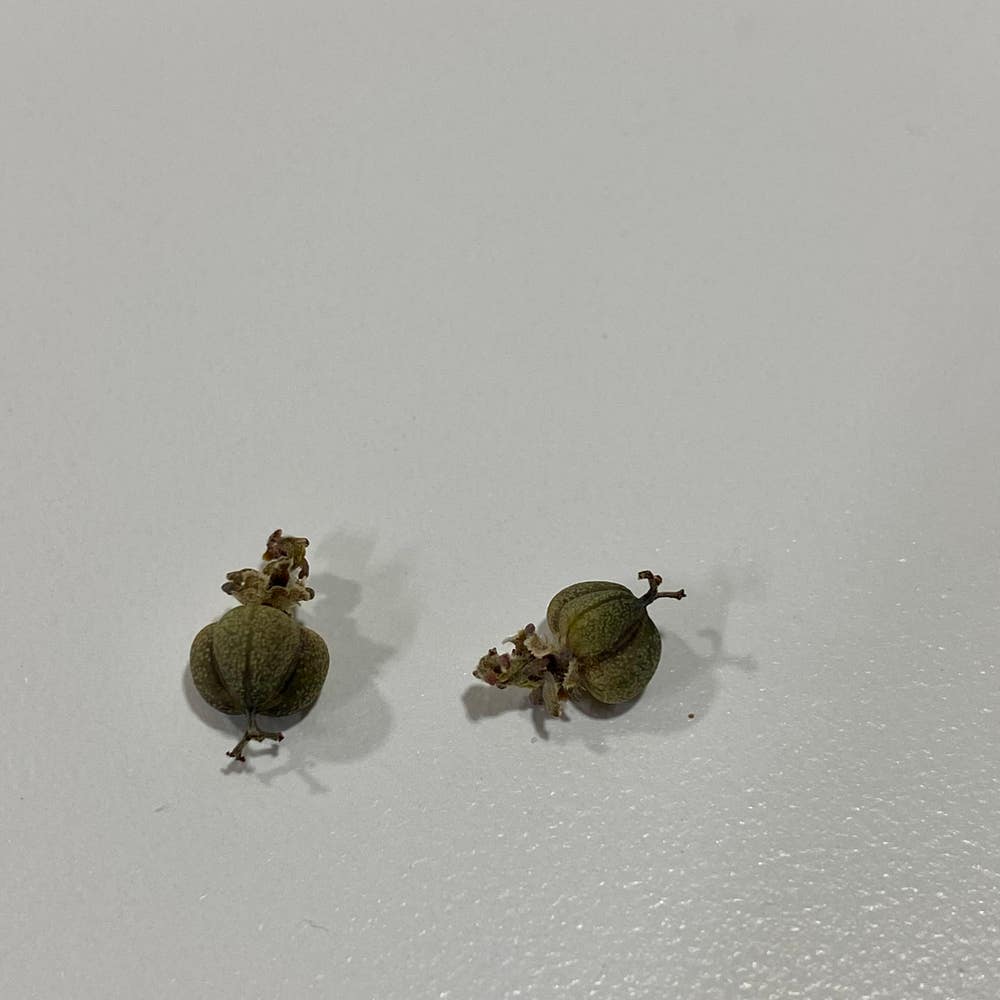
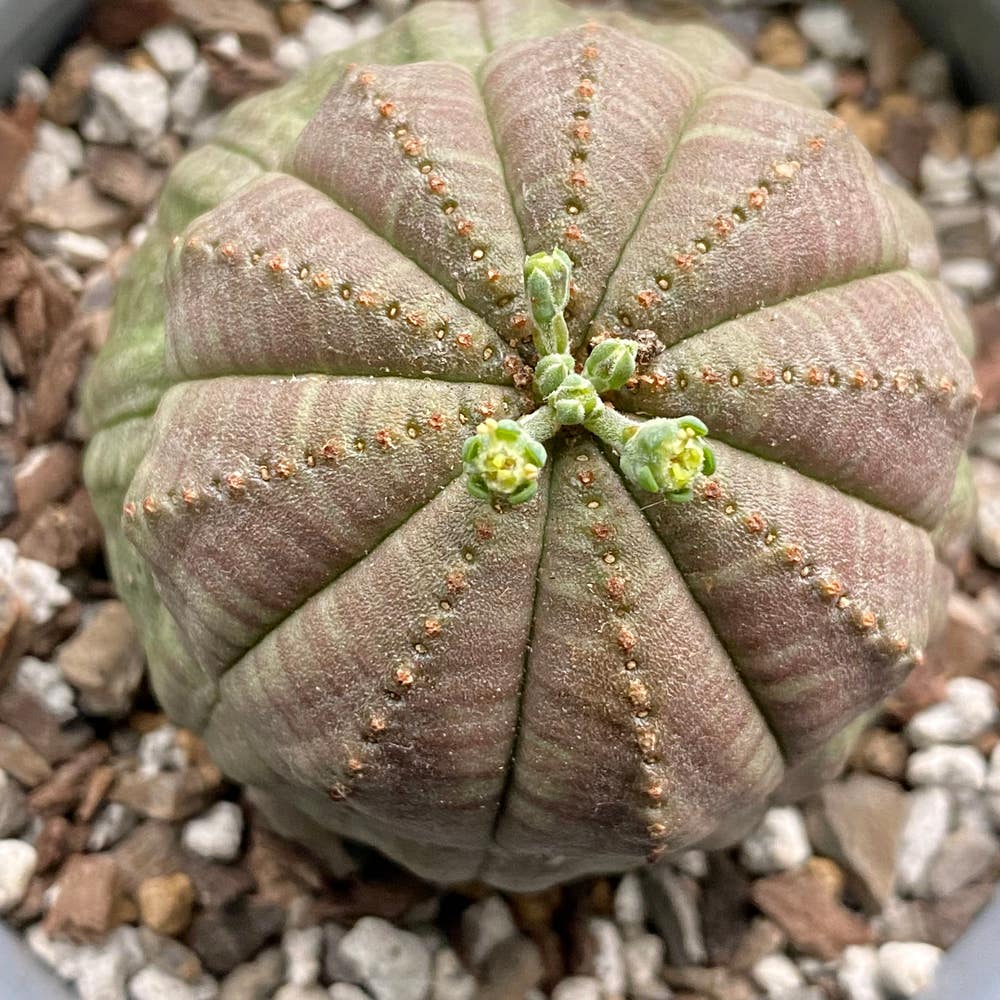
Bud formation is your first hint that a Baseball Plant is gearing up to bloom. Look for subtle changes in the plant's appearance, such as new growth at the apex of the ball. This growth can signal the onset of a rare flowering event.
🕰 Timing is Everything
The blooming season for Baseball Plants is not set in stone, but sunlight and temperature play crucial roles. In their natural habitat, these succulents typically flower in the warmer months. If you're nurturing one indoors, mimic these conditions to improve your chances of seeing a bloom.

The Secret Sauce for Blooming Success
🌞 Light It Up
Sunlight is the maestro of the blooming symphony for Baseball Plants. Bright, indirect light is the sweet spot; it's like the plant's version of a morning coffee, absolutely essential. Too much sun, however, and you're on a fast track to a crispy, bloomless disaster. Find a place where the sun's rays are gentle yet generous.
🔥 Feeling the Heat
Temperature plays a backstage role in the blooming drama. Think of it as the plant's personal thermostat; if it's not set right, don't expect any flowery performances. Warmth is crucial, but avoid the extremes. Your Baseball Plant doesn't want to shiver or sweat; it wants to bask in just-right conditions.
💧 The Right Mix
Soil and watering are the unsung heroes here. Aim for a well-draining mix that's like a cozy bed for roots, and water with a schedule that's more consistent than your morning alarm. Overwatering is the kiss of death, so let the soil's thirst guide your hand. Remember, a happy root system is your ticket to bloom town.

Blooms and Beyond: What Baseball Plant Flowers Symbolize
🌸 A Touch of Mystery
The rarity of the Baseball Plant's bloom injects a dose of intrigue into its existence. Unlike the more predictable flowering of common houseplants, the Baseball Plant's blossoms are an infrequent spectacle. This scarcity imbues the flowers with a mystical aura, often seen as a harbinger of good fortune or a symbol of overcoming the odds.
🌍 Rooted in Culture
Historically, the Baseball Plant's native habitat of South Africa doesn't lend much to the plant's cultural narrative. However, in the broader context of plant symbolism, its succulent nature and spherical shape could be interpreted as emblems of resilience and continuity. Drawing parallels to other cultures, such as the Japanese practice of Hanakotoba, where plants convey messages, the Baseball Plant's flowers might be seen as a silent nod to endurance and the beauty of life's rare moments.

Coaching Your Baseball Plant to Flower
🌸 Patience Pays Off
Baseball plants are not overnight bloomers. Maturity is crucial; these plants may take several years to showcase their first flowers. It's a waiting game akin to watching paint dry, but the payoff is a rare botanical spectacle.
🚀 A Little Boost
Fertilization should be minimal; a cactus/succulent blend in spring can work wonders. Pruning? Only if necessary. Trim away the dead or dying parts to prevent energy waste, ideally in late winter or early spring. It's like giving your plant a pep talk before the big game.
🔄 Consistency is Key
Steady conditions are your plant's best friend. Sunlight, warmth, and the occasional drink (but not a drench) set the stage for recurring blooms. It's the plant equivalent of a steady diet and a regular workout routine—good habits lead to great results.
⚠️ Safety First
This content is for general information and may contain errors, omissions, or outdated details. It is not medical, veterinary advice, or an endorsement of therapeutic claims.
Always consult a qualified healthcare professional before using any plant as food, medicine, or supplement.
Never eat any plant (or feed one to pets) without confirming its identity with at least two trusted sources.
If you suspect poisoning, call Poison Control (800) 222-1222, the Pet Poison Helpline (800) 213-6680, or your local emergency service immediately.
Spotted an error? Please report it here.
Nurture your Baseball Plant to a rare and rewarding bloom 🌵 with Greg's tailored care plan, fostering the patience and perfect conditions for this symbol of resilience to thrive.