8 Plants That Love Growing with Acalypha reptans
Acalypha chamaedrifolia
By the Greg Editorial Team
Jul 23, 2024•5 min read
This article was created with the help of AI so we can cover more plants for you. May contain errors. See one? Report it here.
Elevate your garden's ecosystem 🌿 and pest defense with Acalypha reptans companion planting strategies. 🐞
- 🌱 Companion planting boosts Acalypha reptans' health, improving soil and microclimate.
- 🐞 Natural pest control: Marigolds, basil, and chrysanthemums protect against insects.
- 🌼 Diverse garden ecosystem: Nasturtiums, lavender, and petunias enhance beauty and resilience.
Companion Planting Benefits
🌿 Symbiotic Relationships
Companion planting taps into the natural alliances between plants. For Acalypha reptans, certain neighbors can be more than just pretty faces; they can enhance its growth and health. Think of these plant partnerships as a mutual aid society within your garden.
- Some companions may improve soil conditions, benefiting Acalypha reptans.
- Others might stabilize the microclimate, creating a more consistent environment for growth.
🌼 Enhancing Garden Diversity
Diversity isn't just a buzzword; it's a gardening game-changer. Introducing a variety of plants alongside Acalypha reptans can create a robust ecosystem right in your backyard.
- A diverse garden is a resilient garden, better equipped to handle climate and pest challenges.
- Each plant brings its own strengths to the table, contributing to a more vibrant and sustainable garden space.
🐞 Natural Pest Management
Say goodbye to harsh chemicals. Companion planting offers a natural line of defense against pests that might target Acalypha reptans.
- Certain plants can repel unwanted insects or attract beneficial predators.
- This organic approach to pest control not only protects Acalypha reptans but also preserves the overall health of your garden.
Ideal Acalypha Companions
Marigolds: Colorful Protectors 🌼
Marigolds are more than just a splash of color in your garden; they're a fortress against pests.
- Emit a substance called alpha-terthienyl from their roots, which is toxic to nematodes and potentially harmful insects.
- Known to attract beneficial pollinators and serve as a food source for Lepidoptera caterpillars, which metamorphose into butterflies.
Nasturtiums: Aphid Magnets 🌺
Nasturtiums are the secret agents in the garden, luring aphids away from Acalypha reptans.
- Act as a trap crop, drawing aphids to themselves and away from other plants.
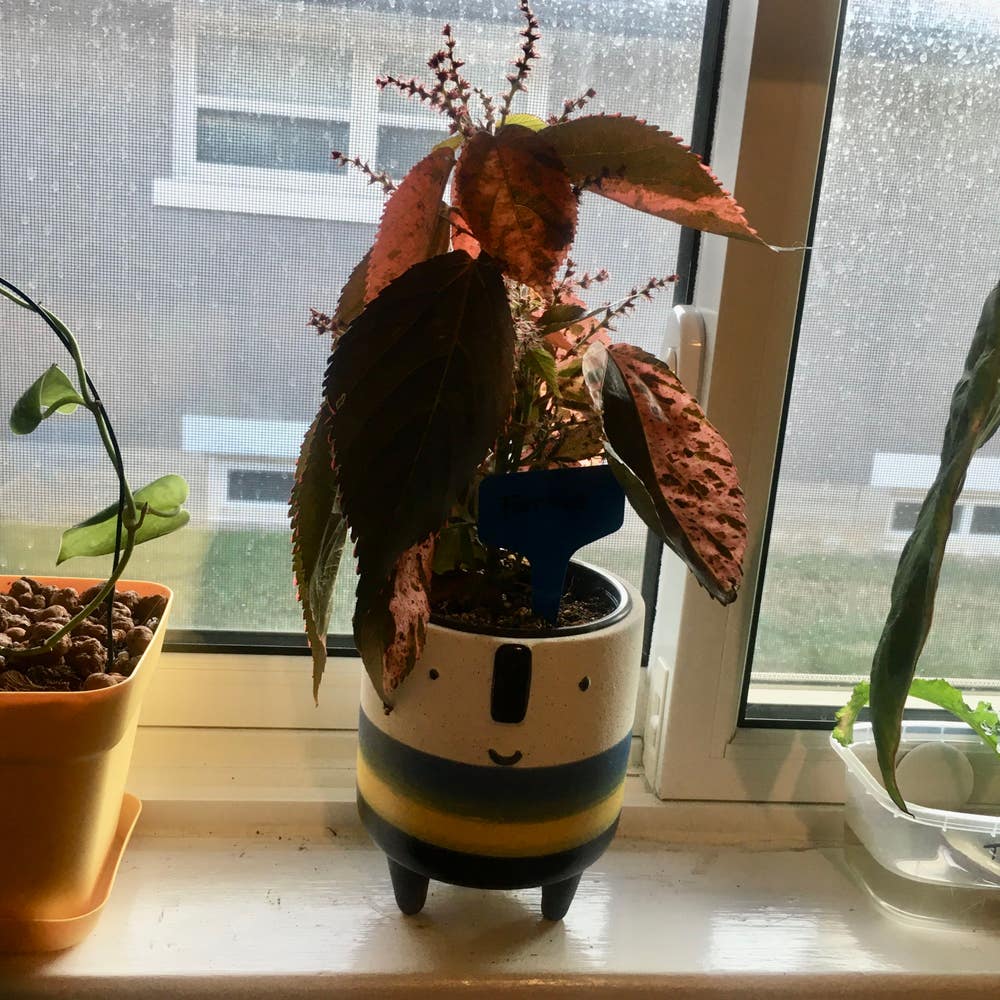
- Their vibrant flowers add a complementary aesthetic to the fuzzy red blooms of Acalypha reptans.
Basil: Aromatic Guardian 🌿
Basil stands guard with its strong scent, warding off many garden pests.
- Repels aphids, potato beetles, and even spider mites, which can be detrimental to Acalypha reptans.
- Its care requirements align well with Acalypha reptans, making it a hassle-free companion.
Lavender: Pollinator Attractor 🦋
Lavender is a beacon for pollinators and a model of resilience in the face of drought.
- Its fragrance repels mosquitoes and ants while attracting bees and butterflies, enhancing pollination for Acalypha reptans.
- Drought tolerance ensures it doesn't compete heavily with Acalypha reptans for water.
Complementary Visuals and Scents
🌼 Chrysanthemums: Pest-Repelling Blooms
Chrysanthemums aren't just a feast for the eyes; they're a fortress against pests. These vibrant blooms contain pyrethrum, a natural insecticide that wards off ants and beetles, making them a powerful ally for Acalypha reptans. Imagine the striking contrast of chrysanthemums' bold colors alongside the delicate foliage of Acalypha reptans—a true garden spectacle.
🌺 Petunias: Insecticide Allies
Petunias are more than just pretty faces in the garden. They serve a dual purpose: enchanting onlookers with their vivid hues and acting as a line of defense against unwanted insects. Their ability to repel pests like aphids complements Acalypha reptans, creating a symbiotic relationship that enhances both beauty and health in your garden.
🌿 Oregano: Herbal Companion
Oregano brings a touch of the Mediterranean to your garden, and it's not just for pizza. This aromatic herb is a natural pest deterrent, making it an excellent companion for Acalypha reptans. Their shared care requirements simplify gardening efforts, while oregano's fragrant presence enriches the sensory experience of your outdoor space.
🌻 Sunflowers: Towering Partners
Sunflowers stand tall, not just in stature but also in their role within the garden. They beckon pollinators from afar, which benefits the entire garden, Acalypha reptans included. Their lofty presence provides a striking structural contrast, adding vertical interest and a touch of drama to the garden's visual narrative.
Incompatible Plant Neighbors
🌿 Resource Competitors
Acalypha reptans thrives when it doesn't have to fight for its essentials. Here are plants to avoid placing nearby:
- Large trees or shrubs that could overshadow Acalypha reptans, depriving it of sunlight.
- Vigorous groundcovers that could outpace Acalypha reptans in nutrient uptake.
- Other moisture-loving plants that might lead to water competition, especially in drier climates.
🐜 Pest Attractors
Some plants can inadvertently invite pests that are harmful to Acalypha reptans. Keep these at a distance:
- Species prone to aphid infestations, as aphids can easily migrate and affect Acalypha reptans.
- Plants that suffer from common diseases Acalypha reptans is susceptible to, to prevent cross-contamination.
- Invasive species that not only attract pests but can also disrupt the entire garden ecosystem.
Planting for Harmony
In the dance of the garden, Acalypha reptans finds its rhythm with the right partners. Let's recap the stars of the show:
- Marigolds and Chrysanthemums stand as colorful sentinels, warding off unwanted pests.
- Nasturtiums and Petunias lure aphids and insects away, sacrificing themselves for the greater good.
- Basil, Lavender, and Oregano share their aromatic prowess, doubling as pest repellents and care companions.
- Sunflowers rise as towering beacons, drawing in pollinators to the benefit of all.
Embracing companion planting is not just about growth; it's about creating a symphony of biodiversity where each plant contributes to a healthier, more vibrant garden tableau. So, as you plot your garden's next chapter, consider these allies for Acalypha reptans, and watch as your garden flourishes with life and color.
⚠️ Safety First
This content is for general information and may contain errors, omissions, or outdated details. It is not medical, veterinary advice, or an endorsement of therapeutic claims.
Always consult a qualified healthcare professional before using any plant as food, medicine, or supplement.
Never eat any plant (or feed one to pets) without confirming its identity with at least two trusted sources.
If you suspect poisoning, call Poison Control (800) 222-1222, the Pet Poison Helpline (800) 213-6680, or your local emergency service immediately.
Spotted an error? Please report it here.
Embrace the harmony 🌿 of companion planting with Acalypha reptans and watch your garden thrive with Greg's tailored care reminders for each of your plant allies.