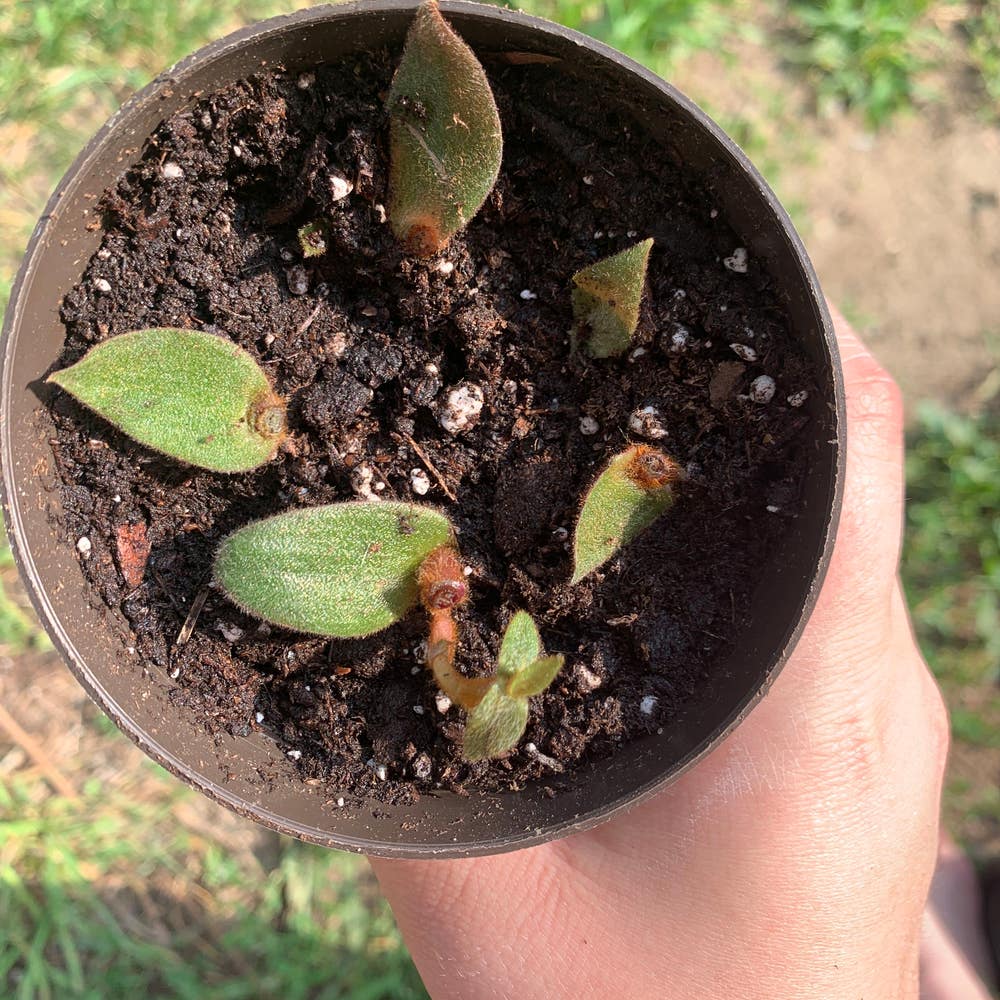
🧸 9 Ideal Locations to Plant Your Teddy Bear Vine
Cyanotis beddomei
By the Greg Editorial Team
Nov 07, 2024•6 min read
This article was created with the help of AI so we can cover more plants for you. May contain errors. See one? Report it here.
Transform your garden with a thriving Teddy Bear Vine by mastering sunlight, soil, and protection! 🌞🌱
- ☀️ Teddy Bear Vines need 6-8 hours of sunlight for optimal growth and flowering.
- 🌱 Well-draining, loamy soil is crucial to prevent root rot and promote health.
- 🌬️ Wind protection and proper drainage enhance growth and ensure vibrant blooms.
Sunlight Exposure
🌞 Full Sun Requirements
For your Teddy Bear Vine to thrive, it needs 6-8 hours of direct sunlight daily. This full sun exposure is crucial as it promotes vigorous growth and encourages vibrant flowering, making your garden a stunning sight.
🌤️ Partial Shade Tolerance
While these vines prefer full sun, they can also tolerate 3-6 hours of indirect sunlight. However, too much shade can lead to reduced flowering and leggy growth, which can detract from their overall beauty.
🚨 Signs of Inadequate Light
Keep an eye out for yellowing leaves and sparse growth; these are clear indicators that your plant isn’t getting enough light. Over time, inadequate light can weaken the plant, making it more susceptible to pests and diseases, so it’s essential to address any lighting issues promptly.
Understanding the sunlight needs of your Teddy Bear Vine is vital for its health and beauty. Next, let’s explore the ideal soil conditions to ensure your vine flourishes.
Soil Type and Conditions
Preferred Soil Types 🌱
For your Teddy Bear Vine to thrive, well-draining soil is essential. A loamy texture not only supports optimal growth but also prevents waterlogging, which can lead to root rot.
Incorporating organic matter into your soil is a game changer. It enhances fertility and provides the nutrients your vine craves, ensuring robust growth and vibrant blooms.
Soil pH Preferences ⚗️
The ideal pH range for Teddy Bear Vines is slightly acidic to neutral, specifically between 6.0 and 7.0. This pH level promotes nutrient availability, which is crucial for healthy plant development.
Testing your soil's pH is straightforward. You can use home testing kits or consult professional services to ensure your soil is in the right range for optimal growth.
Importance of Soil Amendments 🛠️
Soil amendments play a vital role in enhancing drainage. Adding materials like perlite or sand can significantly improve soil structure, allowing for better water flow and root health.
Nutrient enrichment is equally important. Utilizing compost or aged manure not only boosts fertility but also supports the overall vitality of your Teddy Bear Vine, leading to a flourishing garden.
Understanding these soil conditions will set you up for success. With the right soil type and amendments, your Teddy Bear Vine will have the perfect foundation to thrive.
Next, let’s explore how the proximity to other plants and structures can influence your vine's growth.
Proximity to Other Plants and Structures
🌱 Companion Planting Considerations
Choosing the right companions for your Teddy Bear Vine can significantly enhance its growth. Look for plants that share similar light and water needs to create a harmonious garden environment.
Companion planting not only boosts growth but also helps deter pests. By strategically placing compatible plants nearby, you can create a thriving ecosystem that benefits all involved.
📏 Spacing Requirements
To ensure your Teddy Bear Vine has room to flourish, maintain a spacing of 12-18 inches from other plants. This distance allows the vine to climb freely without competing for nutrients and light.
Overcrowding can lead to stunted growth and increased competition for resources. Giving your plants space is crucial for their overall health and productivity.
🏢 Impact of Nearby Structures
When selecting a planting spot, assess how nearby buildings or trees might cast shadows on your vine. Understanding light exposure is vital for optimal growth, as too much shade can hinder flowering.
Additionally, structures can provide essential wind protection. They act as natural barriers against harsh winds, creating a more stable environment for your Teddy Bear Vine to thrive.
With these considerations in mind, you can create a nurturing space for your plants. Next, let’s explore how to assess the best spot for planting by evaluating sunlight patterns and understanding microclimates.
Assessing the Best Spot
🌞 Evaluating Sunlight Patterns
To ensure your Teddy Bear Vine thrives, start by observing sunlight patterns in your garden. Track light exposure at different times of the day to pinpoint areas that bask in sunlight.
Once you've gathered this information, mark spots that consistently receive optimal sunlight. This simple step can significantly impact your plant's growth and flowering potential.
🌤️ Understanding Microclimates
Next, delve into the concept of microclimates. These are unique areas within your garden that experience different climate conditions compared to their surroundings.
For instance, south-facing walls can retain heat, creating a warmer microclimate, while shaded corners might stay cooler and more humid. Recognizing these variations can help you choose the best planting spots for your Teddy Bear Vine.
🔍 Identifying Microclimates
To identify microclimates effectively, use observational techniques. Pay attention to temperature variations and moisture levels in different areas of your garden.
By utilizing these microclimates, you can strategically plant your Teddy Bear Vine in spots that enhance its growth potential. This thoughtful approach can lead to a flourishing garden filled with vibrant blooms.
With the right location secured, you're one step closer to creating a thriving environment for your Teddy Bear Vine. Next, let’s explore the importance of wind protection to ensure your plant remains healthy and strong.
Wind Protection Needs
Importance of Windbreaks 🌬️
Wind can be a sneaky adversary for your teddy bear vine. Strong gusts can damage leaves and stunt growth, making wind protection essential for a thriving plant.
Creating windbreaks offers a dual benefit: they shield your vine from harsh winds while fostering a stable environment for growth. This protection helps maintain healthy foliage and encourages robust flowering.
Best Practices for Creating Wind Protection 🛡️
To effectively guard against wind, consider natural barriers. Planting shrubs or trees around your teddy bear vine can create a protective shield, reducing wind speed and minimizing damage.
If natural options aren't feasible, artificial structures can also do the trick. Fences or trellises can provide sturdy support and protection, ensuring your vine remains safe from the elements.
By implementing these strategies, you can create an ideal growing environment for your teddy bear vine, setting the stage for vibrant growth and flourishing blooms.
Next, let’s explore drainage considerations to further enhance your plant's health.
Drainage Considerations
💧 Importance of Proper Drainage
Proper drainage is crucial for the health of your Teddy Bear Vine. Signs of poor drainage include water pooling, soggy soil, and symptoms of root rot, which can severely hinder growth.
To improve drainage, consider amending your soil with materials like perlite or sand. Alternatively, creating raised beds can elevate your plants above waterlogged areas, promoting healthier root systems.
🔍 Assessing Drainage in Potential Locations
Before planting, it's essential to assess the drainage capabilities of your chosen location. Conduct a percolation test by digging a hole and observing how quickly water absorbs; this will give you a clear indication of drainage quality.
Additionally, choosing elevated areas for planting can significantly enhance drainage. Slopes or raised beds not only prevent water accumulation but also provide a more favorable environment for your Teddy Bear Vine to thrive.
By ensuring proper drainage, you're setting the stage for a vibrant and flourishing plant. Next, let’s explore how to protect your Teddy Bear Vine from wind damage.
⚠️ Safety First
This content is for general information and may contain errors, omissions, or outdated details. It is not medical, veterinary advice, or an endorsement of therapeutic claims.
Always consult a qualified healthcare professional before using any plant as food, medicine, or supplement.
Never eat any plant (or feed one to pets) without confirming its identity with at least two trusted sources.
If you suspect poisoning, call Poison Control (800) 222-1222, the Pet Poison Helpline (800) 213-6680, or your local emergency service immediately.
Spotted an error? Please report it here.
Ensure your Teddy Bear Vine flourishes with vibrant blooms 🌼 by using Greg's tailored tips to find the ideal spot and maintain perfect growing conditions!