🧸 Teddy Bear Vine: Not an Annual
Cyanotis beddomei
By the Greg Editorial Team
Nov 07, 2024•7 min read
This article was created with the help of AI so we can cover more plants for you. May contain errors. See one? Report it here.
Unlock the charm of Teddy Bear Vine 🌱, a resilient perennial that brings lasting beauty and vibrant blooms to your garden!
- 🌱 Teddy Bear Vine is a perennial, thriving year after year, unlike annuals.
- 🌿 Fuzzy leaves retain moisture, making it ideal for water-scarce environments.
- 🌼 Produces multiple blooms throughout the season, enhancing garden aesthetics.
Teddy Bear Vine as a Perennial
🌱 Genetic Characteristics
The Teddy Bear Vine, scientifically known as Cyanotis somaliensis, is classified as a perennial plant. Its genetic traits are finely tuned for long-term survival and reproduction, allowing it to thrive year after year.
Unlike annuals, which complete their lifecycle in a single growing season, the genetic makeup of the Teddy Bear Vine supports its perennial growth. This adaptation enables it to endure various environmental challenges, ensuring its persistence in gardens and natural habitats.
🍃 Physiological Traits Supporting Perennial Classification
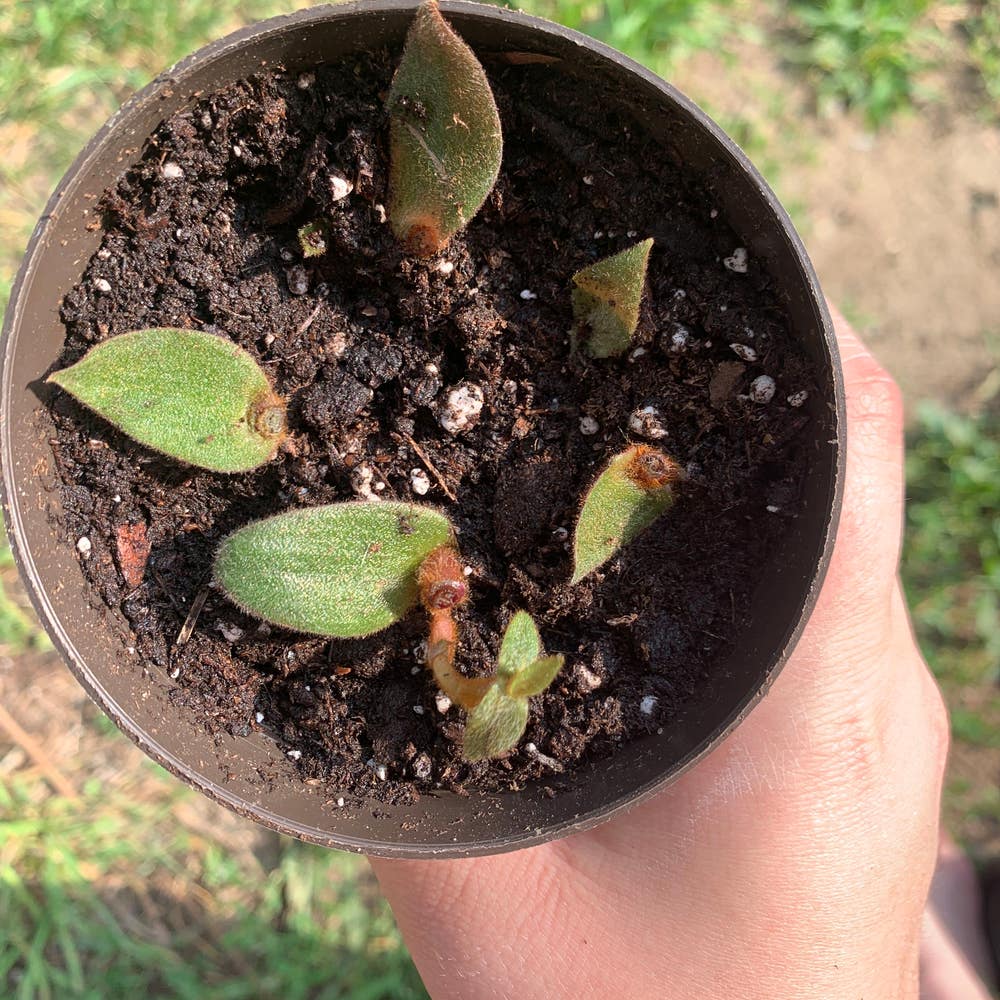
One of the most striking features of the Teddy Bear Vine is its fuzzy, heart-shaped leaves. These leaves are designed to retain moisture, making the plant well-suited for environments where water conservation is crucial.
Additionally, the vine boasts a deep and extensive root system that allows it to access nutrients from the soil effectively. This resilience enables the Teddy Bear Vine to withstand seasonal changes, ensuring it remains vibrant through varying weather conditions.
⏳ Long-Term Lifecycle
The lifecycle of the Teddy Bear Vine consists of several distinct stages: germination, vegetative growth, flowering, and dormancy. This multi-stage process allows the plant to adapt to its environment and maximize its growth potential.
With a lifespan extending over several years, the Teddy Bear Vine exhibits seasonal behavior characterized by active growth during warm months and a period of dormancy in colder months. This cyclical pattern is essential for its survival and overall health, making it a reliable choice for perennial gardening.
Growth and Reproductive Strategies
🌱 Growth Patterns Compared to Annuals
Teddy Bear Vine, or Cyanotis somaliensis, exhibits a unique spreading habit that allows it to form dense mats across the ground. This growth pattern not only enhances its aesthetic appeal but also helps in soil stabilization.
While its initial growth may be slower compared to annuals, this perennial plant sustains its growth over the years. Its adaptability enables it to thrive in various soil types and conditions, making it a versatile choice for gardeners.
🌼 Flowering Cycles and Seed Production
One of the standout features of the Teddy Bear Vine is its flowering frequency. Unlike many annuals that bloom once, this perennial produces multiple blooms throughout the season, providing continuous visual interest.
In terms of seed production, Teddy Bear Vine generates viable seeds that can remain dormant for years. This contrasts sharply with annuals, which typically have a single flowering event, showcasing the vine's resilience and long-term reproductive strategy.
🌿 Unique Reproductive Strategies
Teddy Bear Vine employs several unique reproductive strategies that enhance its survival. Asexual reproduction through offsets and vegetative propagation allows it to spread efficiently without relying solely on seeds.
Moreover, the longevity of its seeds is remarkable, as they can remain viable for extended periods. This ensures that even in challenging conditions, the plant can re-establish itself.
Pollination strategies also play a crucial role in its reproductive success. By attracting various pollinators, the Teddy Bear Vine ensures a steady cycle of reproduction, contributing to its classification as a perennial.
As we delve deeper into the implications of these growth and reproductive strategies, we will explore how they influence gardening practices and the overall management of this resilient plant.
Misconceptions and Variations
🌱 Conditions Where It May Be Treated as an Annual
In some regions, the Teddy Bear Vine may be mistakenly treated as an annual due to harsh winters. These conditions can challenge its survival, leading gardeners to believe it cannot thrive year after year.
Poor soil conditions can also impact its growth and longevity. If the soil lacks nutrients or proper drainage, the plant may struggle, reinforcing the misconception of its annual lifecycle.
🌍 Regional Differences Affecting Classification
The climate plays a significant role in how the Teddy Bear Vine grows. Variability in temperature and precipitation can affect its classification as a perennial.
Adaptation strategies are crucial for its survival. The vine adjusts to different environments, showcasing its resilience and ability to thrive in various conditions.
For example, in warmer climates, the Teddy Bear Vine flourishes, while in colder regions, it may not perform as well. Understanding these regional differences is key to appreciating its true nature.
🤔 Common Misconceptions About Lifecycle
Many people mistakenly believe that the Teddy Bear Vine is an annual plant. This misunderstanding overlooks its true perennial nature and the adaptations that allow it to survive over multiple years.
Dormancy is another area of confusion. Recognizing the importance of seasonal cycles helps clarify why the plant may appear to die back in colder months.
Education on proper care is essential for longevity. By understanding the plant's needs, gardeners can ensure it thrives, dispelling myths about its lifecycle and enhancing their gardening experience.
Gardening Implications
🌱 Advantages of Planting as a Perennial
Planting Teddy Bear Vine as a perennial offers several advantages. First, it represents a long-term investment, as perennials generally require less frequent replacement compared to annuals, saving you money over time.
Additionally, these plants provide continuous blooms throughout the growing season. This means your garden can enjoy vibrant colors and textures for longer periods, enhancing its overall appeal.
Moreover, perennials like the Teddy Bear Vine contribute to environmental health. They help stabilize soil, prevent erosion, and create habitats for beneficial wildlife, making your garden a thriving ecosystem.
🎨 Garden Design Strategies
When designing your garden, consider companion planting with other perennials. This approach not only enhances visual interest but also promotes biodiversity, creating a more resilient garden.
Teddy Bear Vine also excels as ground cover. Its spreading habit fills in bare spots, reducing weeds and maintaining soil moisture.
Planning for seasonal interest is crucial too. By selecting a variety of plants that bloom at different times, you can ensure your garden remains lively and engaging year-round.
📅 Long-Term Planning for Perennial Gardening
Effective long-term planning is essential for successful perennial gardening. Start by establishing a planting schedule that aligns with optimal growth and flowering periods for your region.
Maintenance considerations are equally important. Develop seasonal care routines that include watering, pruning, and fertilizing to keep your plants healthy and vibrant.
Finally, focus on designing for longevity. Create a sustainable garden ecosystem by selecting plants that thrive together, ensuring your garden remains beautiful and low-maintenance for years to come.
Transitioning from these gardening implications, let’s explore management tips that will help you maximize the longevity and health of your Teddy Bear Vine.
Management Tips for Longevity
🌱 Best Practices for Managing as a Perennial
To ensure your Teddy Bear Vine thrives, start with soil preparation. Aim for well-draining, nutrient-rich soil to support its growth.
Next, focus on watering strategies. Keep the soil consistently moist but avoid waterlogging, which can harm the roots.
For fertilization, consider organic options. They promote healthy growth without the risk of chemical buildup.
🌼 Tips for Maximizing Growth and Flowering
Implement effective pruning techniques to encourage bushier growth and more blooms. Regular trimming helps maintain its shape and vitality.
For pest management, explore natural methods. These approaches protect your plant without introducing harmful chemicals.
Make seasonal adjustments to your care routine. Adapt your strategies based on climate changes to keep your vine flourishing.
❄️ Seasonal Considerations for Care
In winter, prioritize winter care. Protect your Teddy Bear Vine from frost and harsh conditions to ensure it survives the cold months.
As spring approaches, watch for signs of growth. This is the time to fertilize, giving your plant the nutrients it needs to awaken.
During summer, focus on maintenance. Monitor for pests and ensure adequate watering to keep your vine healthy and vibrant.
By following these management tips, you can enjoy the beauty of your Teddy Bear Vine for years to come. Transitioning into the next section, let’s explore the gardening implications of planting this perennial.
⚠️ Safety First
This content is for general information and may contain errors, omissions, or outdated details. It is not medical, veterinary advice, or an endorsement of therapeutic claims.
Always consult a qualified healthcare professional before using any plant as food, medicine, or supplement.
Never eat any plant (or feed one to pets) without confirming its identity with at least two trusted sources.
If you suspect poisoning, call Poison Control (800) 222-1222, the Pet Poison Helpline (800) 213-6680, or your local emergency service immediately.
Spotted an error? Please report it here.
Keep your Teddy Bear Vine thriving year after year 🌱 with Greg's tailored care reminders and watering plans that ensure it blooms beautifully through every season!