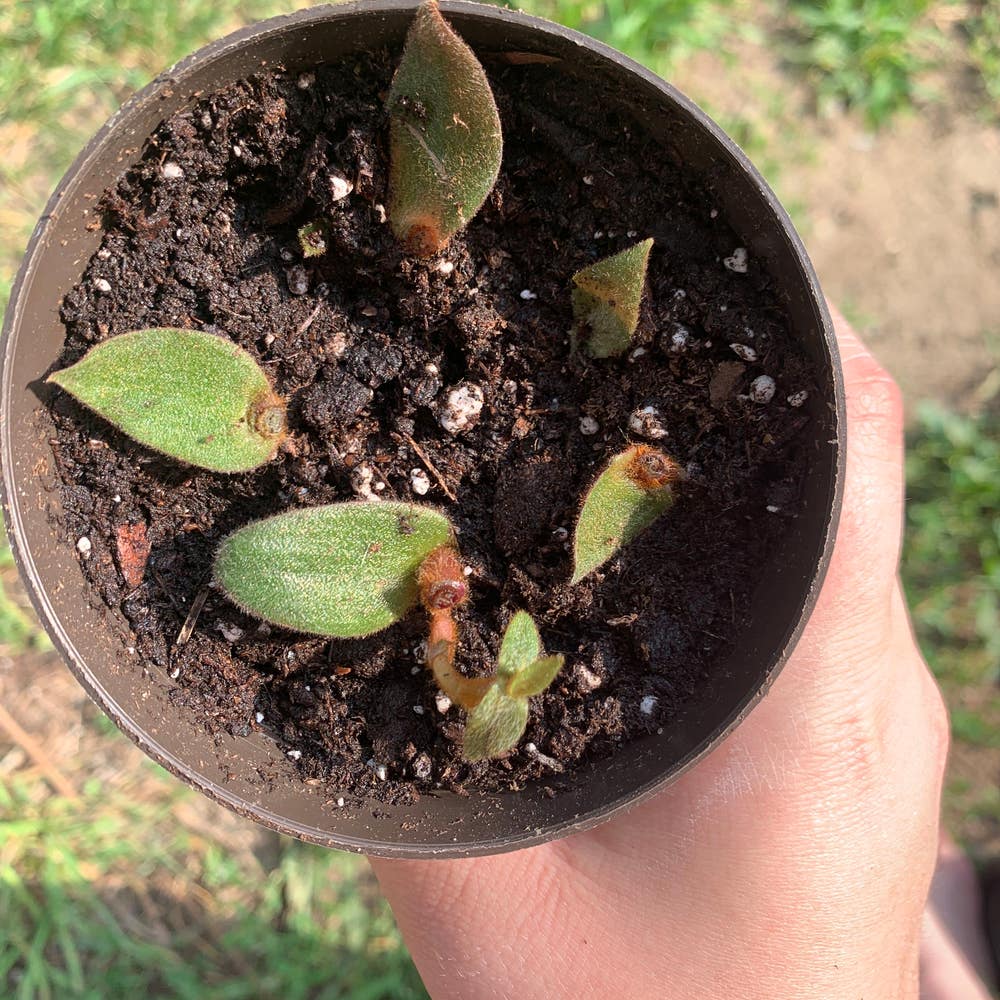
Best Companion Plants for Teddy Bear Vine 🐻
Cyanotis beddomei
By the Greg Editorial Team
Nov 07, 2024•5 min read
This article was created with the help of AI so we can cover more plants for you. May contain errors. See one? Report it here.
Elevate your garden's beauty and health 🌼 by pairing Teddy Bear Vine with the best companion plants for a thriving ecosystem!
- 🌼 Passionflower and Sweet Potato Vine enhance growth and moisture for Teddy Bear Vine.
- 🌿 Morning Glory deters pests while adding vibrant color to your garden.
- 🌱 Companion plants create a thriving ecosystem, reducing the need for chemicals.
Best Companion Plants for Teddy Bear Vine
🌸 Passionflower
Passionflower is a fast-growing climbing plant known for its vibrant, exotic flowers. It thrives in warm, humid conditions, making it an ideal companion for Teddy Bear Vine.
This plant not only attracts pollinators, enhancing the overall health of your garden, but also provides additional vertical support for climbing vines. With its easy care requirements, it's a fantastic choice for gardeners of all skill levels.
🍠 Sweet Potato Vine
Sweet Potato Vine is a spreading vine that features attractive foliage and produces edible tubers. It prefers similar light and moisture conditions as the Teddy Bear Vine, making it a compatible partner.
As a ground cover, it helps retain soil moisture and acts as a natural pest repellent, effectively deterring aphids and beetles. This easy-to-grow plant adds both beauty and functionality to your garden.
🌿 Coral Vine
Coral Vine is a fast-growing tropical vine characterized by its heart-shaped leaves and striking pink flowers. It adapts well to various light conditions, making it versatile for different garden settings.
This vine not only provides a lush backdrop that enhances visual appeal but also attracts beneficial insects like ladybugs and lacewings, which prey on common pests. While it may require moderate care, its benefits are well worth the effort.
🌼 Morning Glory
Morning Glory is a climbing plant celebrated for its trumpet-shaped flowers that come in a variety of colors. It thrives in full sun and well-drained soil, making it another excellent companion for Teddy Bear Vine.
With its vibrant blooms, Morning Glory enhances garden aesthetics and can help deter pests like spider mites through its strong scent. This easy-care plant is perfect for adding a splash of color to your garden.
These companion plants not only enhance the beauty of your garden but also contribute to a healthier ecosystem. By choosing the right companions, you can create a thriving environment for your Teddy Bear Vine.
Pest Management through Companion Planting
🌱 How Companion Plants Deter Pests
Companion plants serve as a natural barrier against pests, creating an ecosystem that promotes healthy growth. By strategically placing these plants, you can attract beneficial insects that prey on harmful pests, reducing the need for chemical interventions.
🐞 Specific Pest-Repellent Properties
Different companion plants offer unique pest-repellent properties:
Passionflower: This vibrant plant attracts pollinators, which also feed on aphids, helping to keep their populations in check.
Sweet Potato Vine: Known for its attractive foliage, it contains natural compounds that repel common garden pests, making it a dual-purpose plant.
Coral Vine: This fast-growing vine draws in ladybugs and lacewings, both of which are natural predators of aphids and mites, enhancing your garden's pest management strategy.
By incorporating these companion plants, you can create a thriving garden that not only looks beautiful but also minimizes pest issues effectively. This approach not only supports the health of your Teddy Bear Vine but also contributes to a balanced garden ecosystem.
Next, let’s explore how these companion plants enhance the visual appeal of your garden.
Visual Appeal and Aesthetic Considerations
🌼 Enhancing Visual Appeal
Companion plants can transform your garden into a lush, vibrant oasis. By carefully selecting plants that complement the Teddy Bear Vine, you can create a stunning visual experience.
🎨 Suggestions for Color and Texture Combinations
Consider pairing the deep green foliage of Teddy Bear Vine with the bright blooms of Morning Glory. This combination not only adds color but also creates a striking contrast that draws the eye.
Another effective strategy is to use the contrasting leaf shapes of Sweet Potato Vine and Coral Vine. This mix of textures enhances visual interest and adds depth to your garden design.
By thoughtfully combining these plants, you can elevate the aesthetic of your garden, making it a true feast for the senses. The right companion plants not only beautify your space but also contribute to a thriving ecosystem.
As you plan your garden, think about how these combinations can work together to create a harmonious environment. This approach not only enhances beauty but also supports the health of your plants, leading to a more vibrant garden overall.
Next, let’s explore how companion planting can aid in pest management, ensuring your garden remains healthy and flourishing.
Plants to Avoid Near Teddy Bear Vine
Incompatible Plants 🌱
When planning your garden, it's crucial to know which plants to steer clear of. Two notable offenders are:
- Mint: This vigorous grower can easily outcompete your Teddy Bear Vine for essential resources like water and nutrients.
- Fennel: While it may look appealing, fennel can attract pests that pose a threat to your vine's health.
Reasons for Incompatibility 🚫
The competition for nutrients and water can significantly hinder the growth of your Teddy Bear Vine. Additionally, some plants, like fennel, may lure in pests that could negatively impact your garden's ecosystem.
By avoiding these incompatible plants, you can create a thriving environment for your Teddy Bear Vine and its companions. This thoughtful selection will help ensure your garden flourishes beautifully.
Next, let’s explore how companion planting can enhance pest management in your garden.
⚠️ Safety First
This content is for general information and may contain errors, omissions, or outdated details. It is not medical, veterinary advice, or an endorsement of therapeutic claims.
Always consult a qualified healthcare professional before using any plant as food, medicine, or supplement.
Never eat any plant (or feed one to pets) without confirming its identity with at least two trusted sources.
If you suspect poisoning, call Poison Control (800) 222-1222, the Pet Poison Helpline (800) 213-6680, or your local emergency service immediately.
Spotted an error? Please report it here.
Enhance your Teddy Bear Vine's growth with vibrant companions like Passionflower and Morning Glory 🌼, and let Greg provide you with tailored care tips to create a flourishing garden ecosystem!