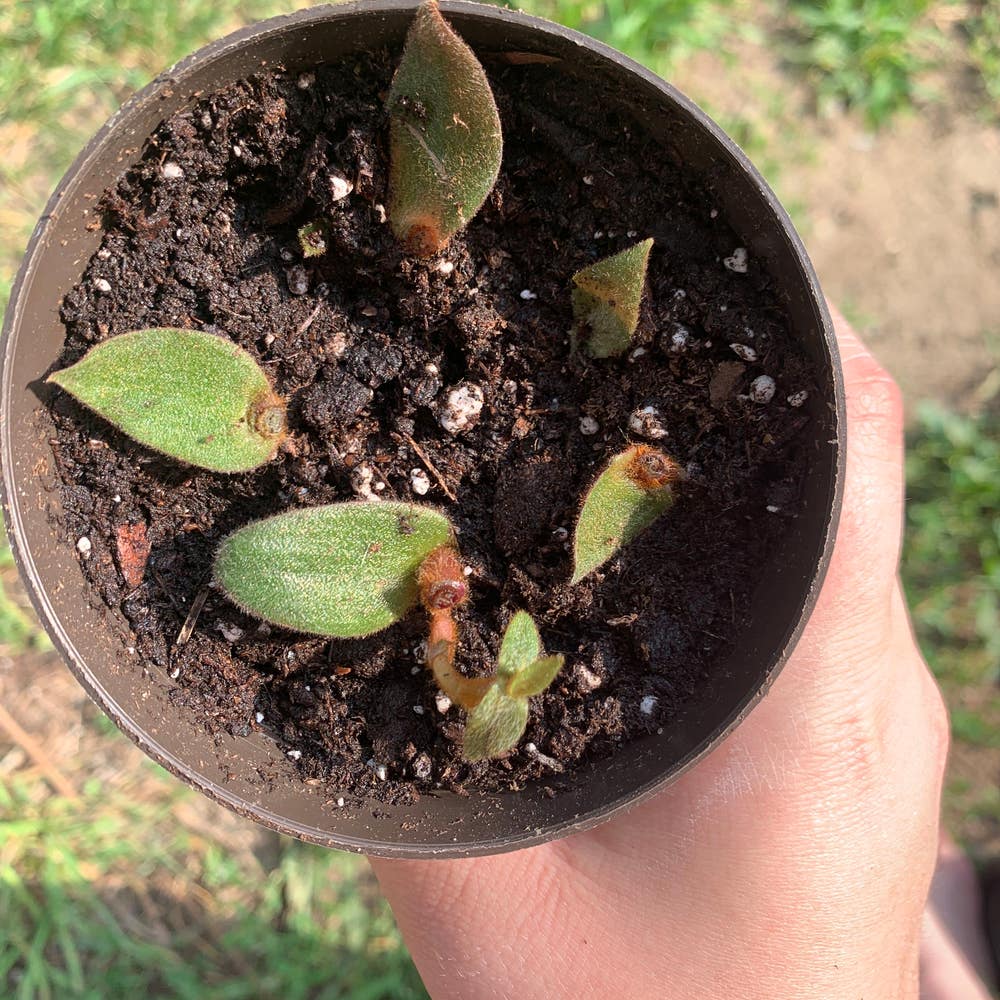
Teddy Bear Vine Root Rot Solutions
Cyanotis beddomei
By the Greg Editorial Team
Jun 18, 2024•5 min read
This article was created with the help of AI so we can cover more plants for you. May contain errors. See one? Report it here.
Rescue your Teddy Bear Vine 🐻 from root rot's grip with expert-recommended solutions! 🌿
- Wilting, yellowing, foul odor: classic signs of Teddy Bear Vine root rot.
- Trim and repot: use well-draining soil and pots for recovery.
- Water wisely: prevent root rot by moderating irrigation based on soil dryness.
Spotting the Red Flags: Symptoms of Root Rot in Teddy Bear Vine
🚨 Leafing Through the Symptoms
Wilting and yellowing leaves are the plant's version of a distress flare. They're telling you that something's gone awry in their subterranean world. If your Teddy Bear Vine is looking more like a wilted salad than a plush toy, it's time to pay attention.
A foul odor emanating from the soil is the olfactory equivalent of a red alert. It's not just bad hygiene; it's a sign that the roots might be rotting away in silence.
🕵️♂️ Root Inspection 101
When inspecting the roots, you're looking for the horticultural equivalent of a zombie apocalypse. Discolored and mushy roots are the walking dead of the plant world. If they're more brown than a well-used football and have the consistency of overcooked pasta, it's time for some triage.

The Rescue Operation: Treating Teddy Bear Vine Root Rot
🌱 Root Rehab
Root rot in Teddy Bear Vines is like a silent alarm—ignore it, and you'll face a plant's worst nightmare. To combat this, trimming the damaged roots is your first line of defense. Here's how to do it without botching the job:
- Yank the plant out gently and lay the roots bare.
- Snip away the mushy, discolored roots with sterilized scissors—think surgeon, not butcher.
- Treat the remaining healthy roots with a fungicide to ward off further infection.
Sterilizing your tools is non-negotiable. After each cut, wipe your scissors with alcohol or a bleach solution to prevent spreading the rot like bad gossip.
🌿 Repotting for Recovery
Choosing the right soil and pot is like setting up a convalescence room for your plant. Opt for a fresh pot with ample drainage holes to prevent water from throwing a pool party at the bottom. As for the soil, mix a well-draining concoction—equal parts potting mix, peat moss, and perlite or coarse sand should do the trick.
Now, the repotting process—handle your plant with the care of a bomb technician:
- Fill the new pot with your soil mix, making a small mound in the center.
- Place your plant atop the mound, spreading the roots outward.
- Add more soil around the roots, firming gently to eliminate air pockets.
Remember, the goal is to give your plant a fresh start without the trauma of moving day. Keep the soil moist, not soggy, and place your Teddy Bear Vine in a spot with bright, indirect light. Watch for new growth—it's the plant equivalent of a thumbs-up.

Water Wisely: Adjusting Irrigation to Prevent Root Rot
💧 The Art of Watering Teddy Bear Vine
Timing is everything when it comes to watering your Teddy Bear Vine. Wait for the top inch of soil to feel like a dry debate before you consider hydrating. Overzealous watering is the root of all evil in plant care, leading to the dreaded root rot.
Moderation is your mantra. Once a week might be the sweet spot, but always check for that dry topsoil first. If it's still damp, skip the drink. Your plant's thirst isn't on your schedule; it's a dialogue, not a monologue.
Signs of overwatering are like bad omens. Yellowing leaves, a mushy embrace at the stem base, and a stench of decay are your cues to cut back. If the soil smells like a forgotten gym locker, it's time to reassess your watering ways.
Tools can be a game-changer. A moisture meter isn't overkill; it's a strategic ally in your quest to avoid waterlogged soil. And remember, watering the base is better than a leafy shower, which can invite mold to the party.
Seasons change, and so should your watering routine. Your plant guzzles more in the summer sun than during the winter chill. Be observant, be adaptable, and your Teddy Bear Vine will thrive, not just survive.

Building Strong Roots: Prevention Tactics
🌱 Soil and Pot Selection
Selecting the right pot is a game-changer for your Teddy Bear Vine. Size matters; a pot too big encourages excess moisture, a fast track to root rot. Material-wise, think breathable, like terracotta or unglazed ceramic, which wick away moisture. And let's not forget drainage holes—they're the bouncers at the club, keeping excess water from crashing the party.
When it comes to soil, ditch the garden variety. Mix up a well-draining concoction with ingredients like perlite, coarse sand, or pine bark fines. It should feel as light and airy as a cloud, providing your plant roots with a breathable, rot-resistant home.
🌿 Creating the Ideal Environment
Humidity and temperature need to be in sync for your Teddy Bear Vine to thrive. Aim for a humidity level that mimics a misty morning, not a tropical rainforest. Keep your plant in a spot where the temperature is as consistent as your favorite barista's coffee—no sudden chills or heat waves.
Airflow is the unsung hero in the quest to prevent root rot. It's like having a good friend that tells you when you've got spinach in your teeth—it helps keep things in check. Ensure your plant's environment has good circulation but is free from drafts that could stress your plant out.
Remember, prevention is all about creating a comfortable, stable home for your Teddy Bear Vine. It's like setting up a trust fund for your plant's future—invest in the right conditions now, and you'll reap the healthy, rot-free rewards later.
⚠️ Safety First
This content is for general information and may contain errors, omissions, or outdated details. It is not medical, veterinary advice, or an endorsement of therapeutic claims.
Always consult a qualified healthcare professional before using any plant as food, medicine, or supplement.
Never eat any plant (or feed one to pets) without confirming its identity with at least two trusted sources.
If you suspect poisoning, call Poison Control (800) 222-1222, the Pet Poison Helpline (800) 213-6680, or your local emergency service immediately.
Spotted an error? Please report it here.
Prevent the dread of Teddy Bear Vine root rot by spotting early signs and adjusting 🔄 your care routine with Greg's personalized watering schedules to keep your plant thriving.