Top 9 Pot Features Your Teddy Bear Vine Will Love 🐻
Cyanotis beddomei
By the Greg Editorial Team
Nov 07, 2024•5 min read
This article was created with the help of AI so we can cover more plants for you. May contain errors. See one? Report it here.
Maximize your Teddy Bear Vine's growth 🌱 by choosing the perfect pot size and material for thriving health!
- 🌱 Start with a 4-6 inch pot for healthy root development of Teddy Bear Vines.
- 🪴 Mature vines thrive in 10-12 inch pots with climbing support for vertical growth.
- 💧 Ensure proper drainage to prevent root rot; multiple holes are essential for health.
Pot Sizes for Different Growth Stages
🌱 Appropriate sizes for seedlings
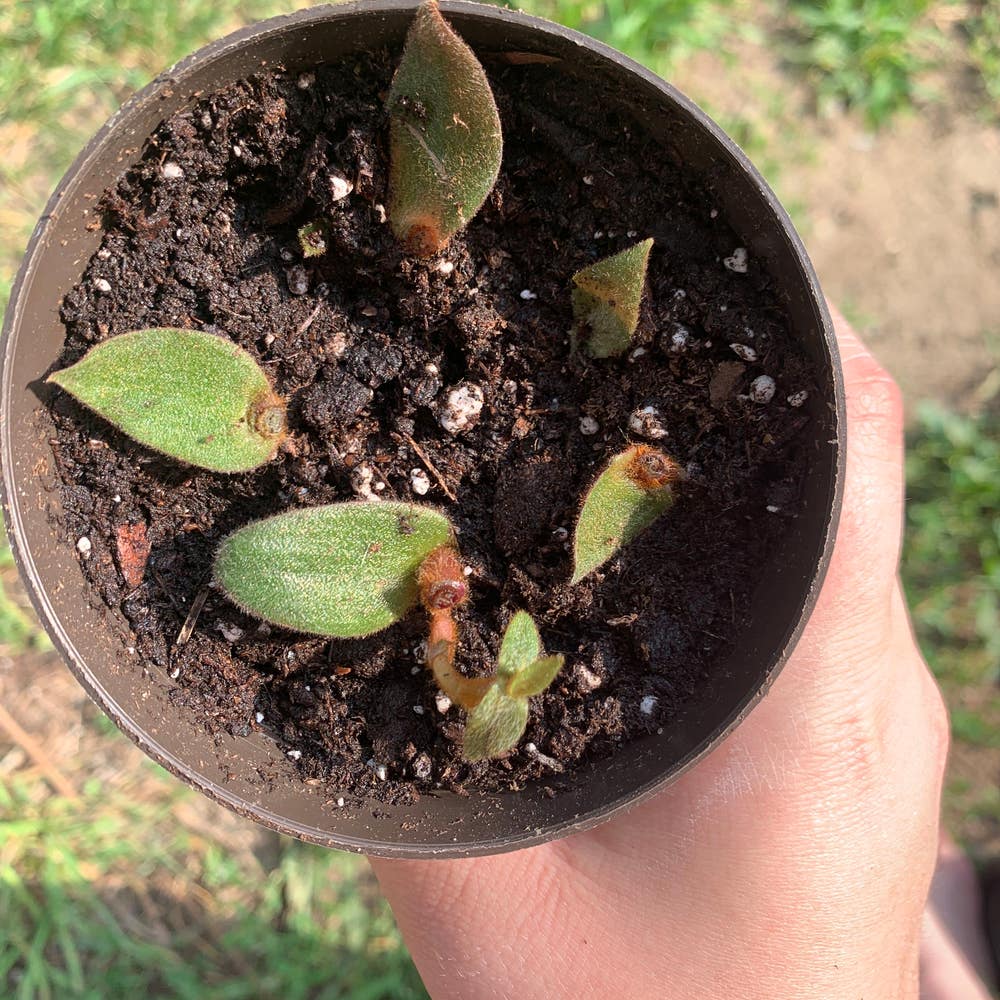
When starting your Teddy Bear Vine, choose a container that is 4-6 inches in diameter. This smaller size is crucial for encouraging healthy root development, allowing the plant to establish itself without being overwhelmed by excess soil.
🌳 Recommended sizes for mature plants
As your vine matures, it will need more space to thrive. An ideal pot size for mature plants is 10-12 inches in diameter, which provides ample room for roots to spread and grow.
🧗♂️ Considerations for climbing support
When selecting pots for mature Teddy Bear Vines, consider those that can accommodate vertical growth. Look for options that offer climbing support, ensuring your plant can flourish and reach new heights.
Transitioning from seedlings to mature plants requires careful attention to pot size, ensuring your Teddy Bear Vine has the right environment to thrive. Next, let's explore the ideal pot materials that will best support your plant's growth.
Ideal Pot Materials
🌱 Clay pots
Clay pots are a popular choice for many plant enthusiasts. They offer excellent breathability, allowing air and moisture to reach the roots, which promotes healthy growth.
However, they can be heavy and prone to cracking if exposed to extreme temperatures. Additionally, clay pots tend to dry out faster, requiring more frequent watering.
🪴 Plastic pots
Plastic pots are lightweight and versatile, making them easy to move around. They retain moisture longer than clay pots, which can be beneficial for plants that prefer consistent humidity.
On the downside, plastic pots may not provide the same level of aeration as clay. They can also become brittle over time, especially when exposed to sunlight.
⚖️ Comparison of materials
When choosing between clay and plastic pots, consider your plant's environment.
- Indoor settings: Plastic pots are often favored for their moisture retention and lightweight nature.
- Outdoor settings: Clay pots may be better due to their durability and breathability.
Ultimately, the best choice depends on your specific needs and the conditions in which your Teddy Bear Vine will thrive.
With the right pot material, you can set the stage for your plant's success.
Importance of Drainage
🌊 Significance of drainage holes
Drainage holes are essential for the health of your Teddy Bear Vine. They prevent overwatering, which can lead to root rot and other serious issues.
Without proper drainage, excess water can accumulate in the pot, suffocating the roots. This can stunt growth and even kill your plant.
🕳️ Recommended drainage hole sizes and quantities
When it comes to drainage hole sizes, aim for holes that are at least 1/2 inch in diameter. This size allows for adequate water flow while preventing soil from washing out.
For optimal health, pots should have multiple drainage holes—three to five is a good rule of thumb. This ensures that water can escape freely, keeping your plant thriving.
In summary, proper drainage is a game changer for your Teddy Bear Vine. It sets the stage for healthy growth and vibrant foliage, so don’t overlook this crucial aspect of pot selection.
Next, let’s explore the ideal pot materials that can further enhance your plant’s environment.
Repotting Teddy Bear Vine
Signs that it's time to repot 🌱
Recognizing when your Teddy Bear Vine needs repotting is crucial for its health. Look for signs like roots growing out of the drainage holes; this indicates that the plant is root-bound.
Another telltale sign is stunted growth. If your vine isn't producing new leaves or is growing at a snail's pace, it’s time to consider a new pot.
Step-by-step guide to repotting 🛠️
Repotting your Teddy Bear Vine can be straightforward. Follow these steps for a successful transition:
- Prepare the new pot: Ensure it has adequate drainage holes to prevent waterlogging.
- Remove the plant from the old pot: Gently loosen the root ball to avoid damaging the roots.
- Inspect the roots: Trim any damaged or dead roots to promote healthy growth.
- Add potting soil: Fill the new pot with fresh potting soil, providing a nutrient-rich environment.
- Position the plant: Center the root ball in the pot and fill in around it with soil.
- Water thoroughly: Ensure the soil is moist but not waterlogged to avoid drowning the roots.
Choosing the right pot during repotting 🪴
When selecting a new pot, consider several factors. The size should accommodate the plant's current growth stage without being excessively large.
Material is also important; choose one that suits your environment. Lastly, ensure the pot has good drainage features to keep your Teddy Bear Vine thriving.
With these tips, your Teddy Bear Vine will flourish in its new home, setting the stage for vibrant growth and lush foliage. Now, let’s explore common potting mistakes to avoid!
Common Potting Mistakes
🌱 Overpotting vs. Underpotting
Choosing the right pot size is crucial for your Teddy Bear Vine's health. Overpotting can lead to excess soil moisture, which often results in root rot.
On the flip side, underpotting can stunt growth and cause root binding. When the roots have no room to expand, your plant's growth will slow down significantly.
🧱 Misconceptions About Pot Materials
Many plant owners believe that the material of the pot can dramatically affect growth. While pot material does play a role, it’s not the only factor to consider.
Proper drainage is essential, regardless of whether you choose clay, plastic, or another material. Always prioritize drainage features to ensure your plant thrives.
In summary, avoiding common potting mistakes can make a significant difference in the health of your Teddy Bear Vine. Next, let’s explore the importance of drainage in more detail.
⚠️ Safety First
This content is for general information and may contain errors, omissions, or outdated details. It is not medical, veterinary advice, or an endorsement of therapeutic claims.
Always consult a qualified healthcare professional before using any plant as food, medicine, or supplement.
Never eat any plant (or feed one to pets) without confirming its identity with at least two trusted sources.
If you suspect poisoning, call Poison Control (800) 222-1222, the Pet Poison Helpline (800) 213-6680, or your local emergency service immediately.
Spotted an error? Please report it here.
Give your Teddy Bear Vine the perfect pot for thriving roots 🌿 with Greg's tailored reminders and expert tips to keep it growing strong!